
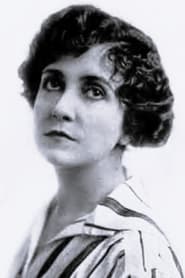
Florence Turner
Actor & Director
Born: January 6, 1885 in New York City, New York, USA Died: August 28, 1946 Active: 1906-1928
Films
11 films
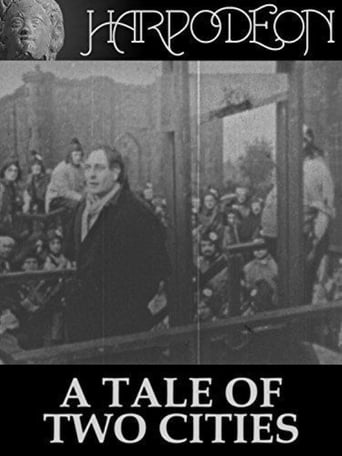
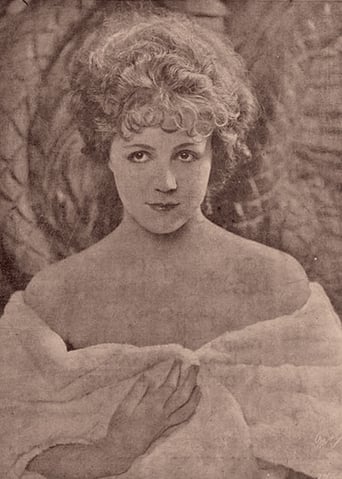
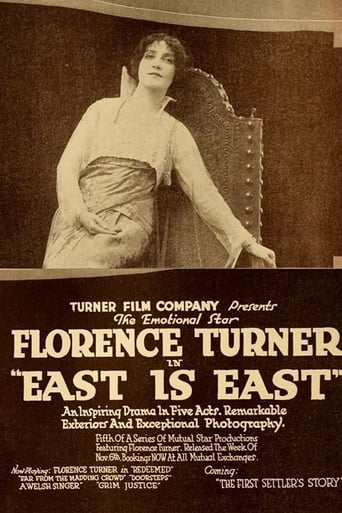

About Florence Turner
American actress who became one of the first true film stars during the silent era. Born into a theatrical family in New York City, she began her career as a child performer on Broadway stages before transitioning to the burgeoning film industry. She joined Vitagraph Studios in 1906 and quickly rose to prominence, earning the nickname 'The Vitagraph Girl' and becoming recognizable faces in early American cinema. Throughout the late 1900s and early 1910s, she starred in numerous successful films including adaptations of literary classics like 'A Tale of Two Cities' and 'Twelfth Night.' In 1916, seeking new opportunities, she moved to England where she continued her acting career and also ventured into writing and directing. She returned to America in the 1920s but struggled to maintain her stardom as the industry transitioned to sound films. Turner's career effectively ended with the silent era, though she made a few minor appearances in early talkies before retiring from acting altogether.
The Craft
On Screen
Florence Turner was known for her naturalistic acting style that was ahead of its time in the early film era. Unlike many of her contemporaries who relied on exaggerated theatrical gestures, Turner brought a subtle, understated approach to her performances that translated well to the intimate medium of film. She particularly excelled in dramatic roles and literary adaptations, where her ability to convey complex emotions through subtle facial expressions and body language made her performances stand out. Her style evolved from the more theatrical approach of early cinema to a more restrained, realistic method that would influence later silent film actors.
Milestones
- Became 'The Vitagraph Girl' and one of America's first film stars
- Starred in over 150 silent films
- Successfully transitioned to British cinema in 1916
- Wrote and directed her own films in England
- Pioneered the concept of film stardom in early cinema
Best Known For
Iconic Roles
Must-See Films
Accolades
Special Recognition
- Star on the Hollywood Walk of Fame (for contributions to motion pictures)
- Recognized as one of cinema's first true stars by film historians
Working Relationships
Worked Often With
Studios
Why They Matter
Impact on Culture
Florence Turner played a crucial role in establishing the concept of film stardom in American cinema. As 'The Vitagraph Girl,' she was among the first performers to be publicly identified and marketed by name, helping to create the star system that would dominate Hollywood for decades. Her popularity demonstrated that film actors could become cultural icons with devoted fan followings, paving the way for later stars like Mary Pickford and Charlie Chaplin. Turner's success also proved that audiences would pay to see films featuring specific performers, fundamentally changing how studios produced and marketed motion pictures.
Lasting Legacy
Florence Turner's legacy lies in her role as one of America's first film stars and her contribution to establishing the star system in Hollywood. While many of her films have been lost to time, film historians recognize her importance in cinema's early development. Her naturalistic acting style influenced subsequent generations of silent film actors, and her international career helped establish the global nature of the film industry. Turner represents the transitional period when cinema evolved from a novelty attraction to a legitimate art form with recognizable stars, and her story exemplifies both the opportunities and challenges faced by early film performers.
Who They Inspired
Florence Turner influenced the development of screen acting techniques through her naturalistic approach, which contrasted with the theatrical style common in early cinema. Her success as a named star demonstrated the commercial value of celebrity in film, influencing how studios would market movies for decades to come. Many later silent era actresses, including Mary Pickford and Florence Lawrence, built upon the foundation Turner helped establish. Her international career also showed that American stars could find success abroad, encouraging other performers to pursue global opportunities.
Off Screen
Florence Turner never married and had no children, dedicating her life entirely to her career in entertainment. She was known to be very private about her personal life, though contemporary accounts suggest she was well-liked by colleagues and maintained professional relationships throughout her career. After retiring from films, she lived quietly in California, struggling financially in her later years. She spent her final years at the Motion Picture Country Home in Woodland Hills, where she died of a heart attack at age 61.
Education
Educated in New York City schools; received early theatrical training through her family's connections in show business
Did You Know?
- She was nicknamed 'The Vitagraph Girl' before Mary Pickford became known as 'America's Sweetheart'
- Turner was one of the highest-paid actresses of her time, earning $1,000 per week at her peak
- She wrote and directed several of her own films while working in England
- Many of her films are now considered lost, a common fate for early silent movies
- She was one of the first film stars to have her own fan club
- Turner appeared in over 150 films during her career
- She was a skilled painter and created artwork in her retirement years
- Her move to England in 1916 was partly motivated by a desire for greater artistic freedom
- She returned to America with less success as the film industry had dramatically changed
- Turner was among the first performers to successfully transition from stage to film
In Their Own Words
The motion picture is the art form of the future, and we are only at its beginning
In films, one must learn to express without words, to feel without speaking
The camera sees everything - it is the most honest of all audiences
Frequently Asked Questions
Who was Florence Turner?
American actress who became one of the first film stars during the silent era. Known as 'The Vitagraph Girl,' she starred in over 150 films and was instrumental in establishing the star system in Hollywood. She worked primarily with Vitagraph Studios before moving to England and later returning to America.
What films is Florence Turner best known for?
Titles linked here include A Tale of Two Cities (1911), Twelfth Night (1910).
When was Florence Turner born and when did she die?
Born January 6, 1885; died August 28, 1946.
What awards did Florence Turner win?
During her lifetime, Florence Turner did not receive major formal awards as the award systems we know today were not established during her peak career years. However, she posthumously received a star on the Hollywood Walk of Fame recognizing her contributions to motion pictures and is remembered by film historians as a cinema pioneer.
What was Florence Turner's acting style?
Florence Turner was known for her naturalistic acting style that was ahead of its time in early cinema. Unlike many contemporaries who used exaggerated theatrical gestures, she employed subtle facial expressions and restrained body language, making her performances particularly effective on film. Her style influenced the development of more realistic screen acting techniques in silent films.