
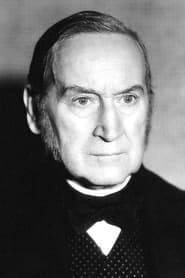
William Humphrey
Actor & Director
Born: January 2, 1875 in Chelsea, Massachusetts, USA Died: October 30, 1943 Active: 1909-1926
Films
11 films
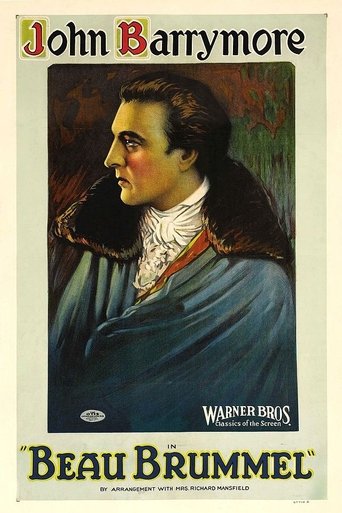
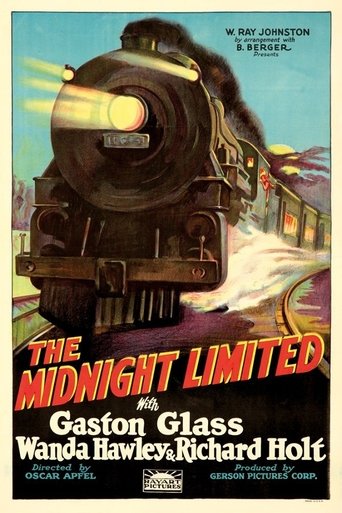
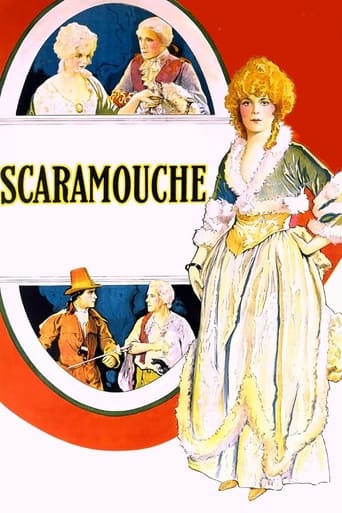
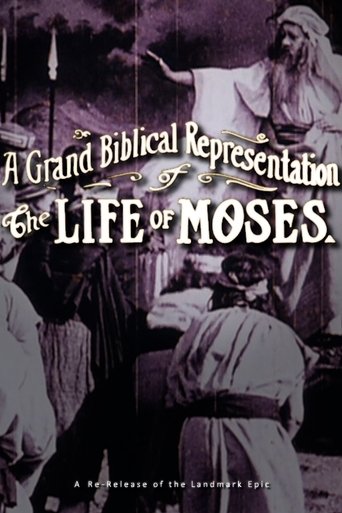

About William Humphrey
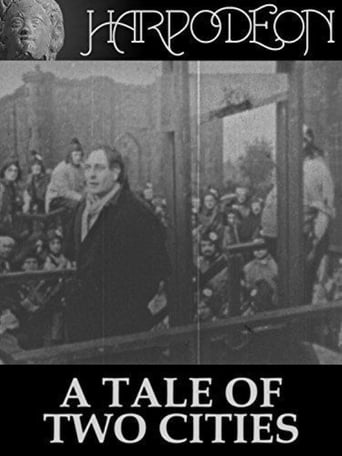
American actor and director who worked primarily during the silent film era, making significant contributions to early American cinema. Born in Chelsea, Massachusetts in 1875, he began his film career with the Biograph Company in 1909, quickly becoming a familiar face in numerous short films directed by D.W. Griffith. Humphrey specialized in portraying authoritative figures, often playing fathers, judges, and other patriarchal roles with a distinctive gravitas that suited the theatrical style of early cinema. In 1911, he expanded his career by stepping behind the camera as a director, helming 17 films over four years, including literary adaptations like 'A Tale of Two Cities.' His directing style emphasized clear storytelling and faithful adaptations of classic literature, reflecting the educational aspirations of early cinema. After his directing period ended in 1915, he returned primarily to acting, appearing in over 80 films throughout his career. As the film industry transitioned to sound in the late 1920s, Humphrey's career naturally declined, and he made his final film appearance in 1926 before retiring from the entertainment industry.
The Craft
On Screen
Humphrey's acting style was characteristic of the silent era's theatrical approach, featuring exaggerated gestures and expressive facial techniques to convey emotion without dialogue. He specialized in portraying authoritative and paternal figures, bringing a commanding presence to his roles as fathers, judges, and officials. His performances emphasized clear moral positioning and emotional clarity, making him particularly effective in adaptations of literary classics where character archetypes were well-established.
Behind the Camera
As a director, Humphrey favored straightforward narrative approaches with an emphasis on faithful literary adaptations. His films maintained clear visual storytelling and focused on making classic literature accessible to early film audiences. He employed static camera positions typical of the period, allowing performances to drive the narrative, and demonstrated particular skill in condensing complex literary works into the short film format popular in the early 1910s.
Milestones
- Joined Biograph Company in 1909
- Directed first film in 1911
- Directed adaptation of 'A Tale of Two Cities' (1911)
- Appeared in over 80 films
- Worked extensively with D.W. Griffith
- Directed 17 films between 1911-1915
- Transitioned back to acting in 1915
Best Known For
Iconic Roles
Must-See Films
Working Relationships
Worked Often With
Studios
Why They Matter
Impact on Culture
William Humphrey contributed to the establishment of American cinema as a legitimate art form during its formative years. His work with the Biograph Company helped establish the foundation of Hollywood's studio system, and his appearances in numerous literary adaptations demonstrated early cinema's potential for educational and cultural value. As both an actor and director, he represented the multi-talented nature of early film pioneers who often wore multiple hats in the rapidly developing industry.
Lasting Legacy
William Humphrey's legacy lies in his contributions to the foundation of American cinema during its silent era. His extensive filmography provides valuable documentation of early filmmaking techniques and storytelling approaches. While not as remembered as some of his contemporaries, his work in adapting classic literature for the screen helped establish cinema as a medium capable of handling complex narratives and respected literary works. His career trajectory from actor to director and back to actor also illustrates the fluid nature of roles in early Hollywood.
Who They Inspired
Humphrey influenced subsequent character actors in the portrayal of authoritative figures in American cinema. His work in literary adaptations helped pave the way for future filmmakers to tackle classic literature, demonstrating that complex stories could be effectively condensed for the screen. His collaboration with D.W. Griffith placed him at the forefront of cinematic innovation, even if his individual contributions were overshadowed by more famous directors and actors of the era.
Off Screen
William Humphrey led a relatively private life outside of his film career. Born into a working-class family in Chelsea, Massachusetts, he likely came to acting through theater before transitioning to the new medium of film. Details about his personal relationships and family life remain scarce, which was not uncommon for actors of his era who often maintained separation between their public and private lives. After retiring from films in 1926, he lived away from the public eye until his death in 1943 at the age of 68.
Did You Know?
- Was part of the original Biograph Company stock company of actors
- Worked during the transition from one-reel to multi-reel films
- Appeared in both acting and directing capacities in 'A Tale of Two Cities' (1911)
- His active years covered the entire silent era from its early days to its end
- Often played characters much older than his actual age
- Worked with many future stars early in their careers
- His directing career was relatively brief compared to his acting career
- Appeared in at least 10 films in 1909 alone, his debut year
- Was part of the group of actors who transitioned from stage to film
- His films are now considered important historical documents of early cinema
Frequently Asked Questions
Who was William Humphrey?
American actor and on YTB.my. He was known for his work with the Biograph Company and for appearing in numerous literary adaptations, as well as directing several films including 'A Tale of Two Cities' (1911).
What films is William Humphrey best known for?
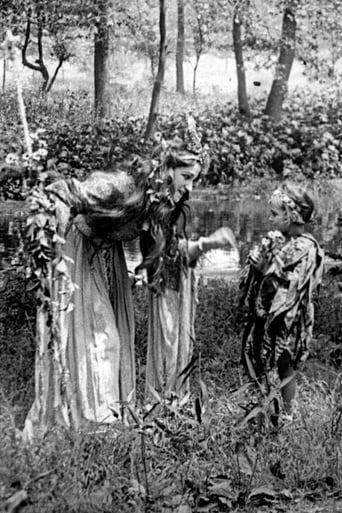
Titles linked here include A Tale of Two Cities (1911), A Midsummer Night's Dream (1909).
When was William Humphrey born and when did he die?
Born January 2, 1875; died October 30, 1943.
What awards did William Humphrey win?
William Humphrey did not receive any major awards during his career, which was common for actors and directors of the silent era before the establishment of major award ceremonies like the Academy Awards.
What was William Humphrey's acting and directing style?
As an actor, Humphrey specialized in authoritative roles using the theatrical style typical of silent films with exaggerated gestures and clear emotional expressions. As a director, he favored straightforward storytelling and faithful adaptations of literary classics, using static camera positions and focusing on narrative clarity.