

The Life of Moses
"1909 film by J. Stuart Blackton"
Keys: Space play/pause · ←/→ 10s · F fullscreen · M mute · </> speed
About this film
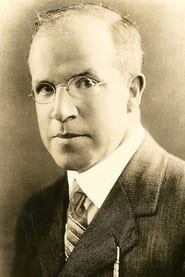
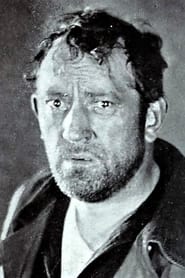
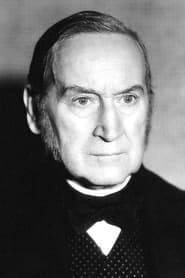
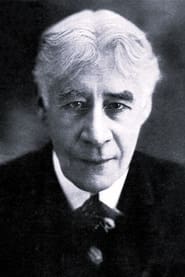
Stuart Blackton and starring Pat Hartigan, Julia Arthur and William J. A portrayal of the biblical story of Moses, it was one of a number of prestige film based on historical or religious subjects made during the era. Relating five different events in Moses' life, it lasted five reels. It met great resistance from movie theater owners, who preferred shorter films that allowed them to change their audience much faster. Although often shown in five separate parts, the successful screening of the entire film in single sittings was influential in the gradual move away from short one or two reel fi…
Cast & crew
More films like this

More Drama films
View all →







More from J. Stuart Blackton
View all →

More about this film
About the production
Release dateDecember 4, 1909 to February 19, 1910 (released serially in five parts)
Box officeExact figures unknown, but reported to be highly successful for Vitagraph
ProductionVitagraph Company of America
Filmed inVitagraph Studios, Brooklyn, New York, Outdoor locations in New York and New Jersey
This was one of Vitagraph's most ambitious productions to date, utilizing elaborate sets, hundreds of extras, and innovative special effects. The film was shot over several months and represented a significant investment in resources. Director J. Stuart Blackton, a pioneer of American cinema, employed cutting-edge techniques including multiple exposure photography for supernatural scenes. The production featured historically researched costumes and props to enhance authenticity.
Themes
Divine intervention and miraclesLiberation from oppressionFaith and obedience to GodLeadership and responsibilityThe journey toward freedom
Themes & topics
biblical epicexodusegyptmosesten commandmentsred seaplaguesslaverymiraclespromised landprophetleadershipfreedomdivine interventionancient history
Historical background
The Life of Moses (1909) circulated in the first decade of projected cinema. Stuart Blackton and starring Pat Hartigan, Julia Arthur and William J. Contemporary trade papers and later preservation notes document its place among nickelodeon and cinema-club programs.
Why this film matters
The Life of Moses remains accessible to researchers and viewers as a screen title in museum, archive, and streaming collections. It was produced by the Vitagraph Company, a leading early film studio.
Making of
The production of 'The Life of Moses' represented a major undertaking for Vitagraph Studios, then one of America's leading film companies. J. Stuart Blackton, who co-founded Vitagraph and was a pioneer in special effects, personally supervised the elaborate production. The film required the construction of massive sets including Egyptian palaces and the Red Sea crossing location. Special effects techniques included multiple exposures for the burning bush scene, miniature work for the plagues, and innovative water effects for the Red Sea sequence. The cast underwent extensive preparation, with lead actors studying biblical texts and historical references. The production faced challenges including weather delays for outdoor scenes and the technical difficulties of coordinating hundreds of extras in period costume. Blackton's background as a magician and vaudeville performer influenced his approach to the supernatural elements, creating sequences that amazed contemporary audiences.
What critics said
Day-one reviews for The Life of Moses are sparse in digitized press archives; later criticism treats it as a reference point for 1909 cinema programming and preservation.
Did you know?
- This was one of the first American biblical epics and helped establish the genre that would later flourish in Hollywood
- The film was released in five parts over a three-month period, an early example of serialized cinema
- Vitagraph advertised it as their most expensive production to date
- The film used hundreds of extras for crowd scenes, unprecedented for American cinema at the time
- Director J. Stuart Blackton was also a cartoonist and animation pioneer, bringing visual flair to the production
- The parting of the Red Sea sequence was achieved using clever matte photography and water tanks
- The film's success led Vitagraph to produce more biblical epics, including 'The Life of Christ' (1912)
- Each part was accompanied by a detailed program booklet with biblical references and scene descriptions
- The film was one of the first to be preserved by the Library of Congress in their early film collection
- Contemporary reports described audiences being moved to tears during the Exodus sequence
Visual style
The cinematography of The Life of Moses was considered groundbreaking for its time, featuring elaborate compositions and innovative camera techniques. Director J. Stuart Blackton utilized multiple exposure photography for supernatural elements like the burning bush and the plagues of Egypt. The film employed sophisticated matte shots and miniatures to create epic scenes that would have been impossible to film practically. Camera movement was limited by the technology of the era, but Blackton compensated with carefully staged tableaux and dynamic blocking of actors. The lighting design was particularly advanced for 1909, using dramatic contrasts to emphasize the spiritual nature of key scenes. The Red Sea sequence showcased the most ambitious cinematography, combining location footage, studio water tanks, and multiple exposures to create a convincing miracle. The film's visual style influenced subsequent biblical epics and helped establish visual conventions for religious filmmaking that would persist for decades.
Innovations
The Life of Moses showcased several technical innovations that were groundbreaking for 1909. The film's special effects, particularly the parting of the Red Sea, utilized multiple exposure techniques and matte photography that were highly advanced for the period. The production employed elaborate set construction on a scale previously unseen in American cinema, including full-scale Egyptian palace sets. The film's use of hundreds of extras in costume represented a major logistical achievement for early cinema. Lighting techniques included the use of arc lamps to create dramatic effects, particularly for the supernatural sequences. The film's editing was more sophisticated than typical productions of the era, with careful scene transitions and pacing across its five parts. The production also pioneered techniques for location shooting combined with studio work, creating a seamless narrative flow. These technical achievements helped establish new standards for American film production and influenced subsequent epic films.
Music
As a silent film, The Life of Moses was originally accompanied by live musical performance in theaters. Vitagraph provided suggested musical cues and recommendations for theater accompanists, typically suggesting classical pieces like Mendelssohn's 'Elijah' or Handel's 'Messiah' for appropriate scenes. Larger theaters might have employed small orchestras, while smaller venues used piano or organ accompaniment. The musical direction emphasized dramatic moments with swelling crescendos during miracles and solemn melodies during prayer scenes. Some theaters used specially compiled cue sheets that synchronized specific musical pieces with particular scenes in the film. The absence of recorded dialogue meant that intertitles carried the narrative, with musical underscoring providing emotional context and atmosphere. The musical accompaniment was considered essential to the viewing experience, with contemporary reviews often praising the quality of the musical presentation alongside the visual elements.
Famous quotes
As a silent film, dialogue was conveyed through intertitles. Key biblical passages were presented on screen, including 'Let my people go' and 'I am that I am'. Contemporary program booklets included the full text of relevant scripture passages.
Memorable scenes
- The spectacular parting of the Red Sea sequence, which used innovative special effects to show the waters dividing and the Hebrews crossing on dry land, followed by the waters crashing down on the pursuing Egyptian army. This scene was particularly praised by contemporary reviewers for its technical achievement and emotional impact.
What audiences thought
The Life of Moses was enormously popular with contemporary audiences, drawing large crowds to theaters across America. Many viewers reported being deeply moved by the biblical story, with some accounts describing audiences weeping during the Exodus sequence. The film's release in five parts created sustained interest and anticipation, with audiences returning week after week to follow the story. Religious organizations praised the production for its faithfulness to biblical texts, with many churches organizing group viewings. The film's success helped attract middle-class and upper-class audiences to nickelodeons, expanding cinema's demographic appeal beyond working-class patrons. Contemporary newspaper accounts described packed theaters and enthusiastic responses, with some venues adding extra showings to meet demand. The film's popularity extended beyond major cities to smaller towns, demonstrating the growing reach of the American film distribution network. Many viewers considered the experience not just entertainment but an uplifting spiritual event.
Film connections
Influenced by
- The Passion Play of Oberammergau (traditional religious theater)
- Earlier French biblical films by Pathé
- Contemporary stage productions of biblical stories
- Illustrated Bibles and religious artwork
- Magic lantern shows with biblical themes
This film influenced
- The Ten Commandments (1923)
- The King of Kings (1927)
- The Ten Commandments (1956)
- Ben-Hur (1925 and 1959)
- Samson and Delilah (1949)
- The Bible: In the Beginning (1966)
Film restoration
Preserved in the Library of Congress collection. The film survives in its complete five-part form, though some deterioration is evident in the surviving prints. It has been digitally preserved as part of the Library's early American film collection.
Where to watch
- Library of Congress (available for on-site viewing by researchers)
- Various film archives and special collections
- Occasional screenings at film festivals and museums specializing in early cinema
- Some portions may be available through academic film databases