
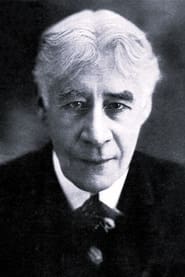
Charles Kent
Actor & Director
Born: June 18, 1852 in London, England Died: May 21, 1923 Active: 1908-1923 Birth Name: Charles Edward Kent
Films
7 films
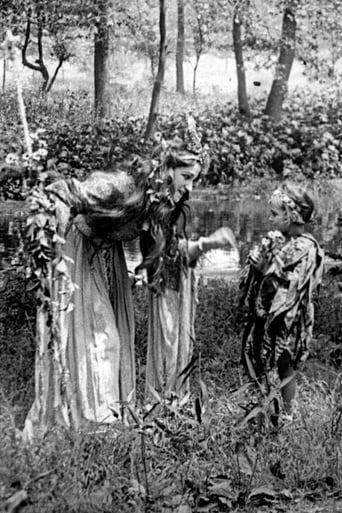
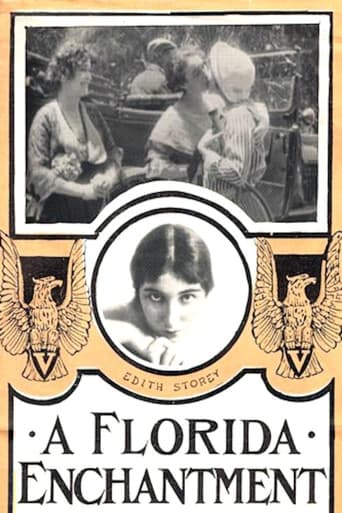
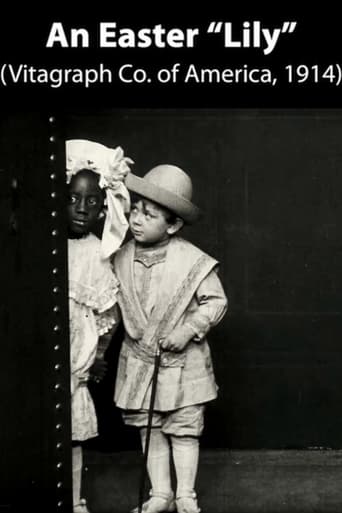
About Charles Kent
British-American actor and director who in the development of early American cinema during the silent era. Born in England in 1852, Kent began his career as a stage actor before transitioning to the burgeoning film industry in the early 1900s. He joined the Vitagraph Company of America, where he became one of the studio's most valuable assets, serving as both an actor and director. Kent was among the first filmmakers to recognize the potential of adapting literary classics to the screen, directing numerous Shakespearean adaptations including A Midsummer Night's Dream (1909) and Twelfth Night (1910). His directorial work was characterized by innovative staging techniques and a keen understanding of visual storytelling, which helped establish many early film conventions. As an actor, Kent appeared in over 200 films, often playing, authoritative roles that drew upon his classical stage training. His the formative years of American cinema, from 1908 until his death in 1923, making him prolific figures of the early silent period.
The Craft
On Screen
Kent's acting style reflected his classical stage training, characterized by deliberate, theatrical gestures and expressive facial work that translated well to the silent medium. He specialized in portraying authoritative and dignified characters, often playing patriarchs, noblemen, and religious figures. His performances were noted for their gravitas and emotional depth, bringing a sense of theatrical sophistication to early cinema.
Behind the Camera
As a director, Kent was known for his innovative approach to visual storytelling, utilizing elaborate sets and creative camera positioning to enhance narrative depth. He pioneered techniques for staging complex scenes with multiple actors, particularly in his Shakespearean adaptations. His directing style emphasized clarity of composition and dramatic pacing, helping establish many conventions of early film direction.
Milestones
- Directed A Midsummer Night's Dream (1909), one of the earliest Shakespeare adaptations
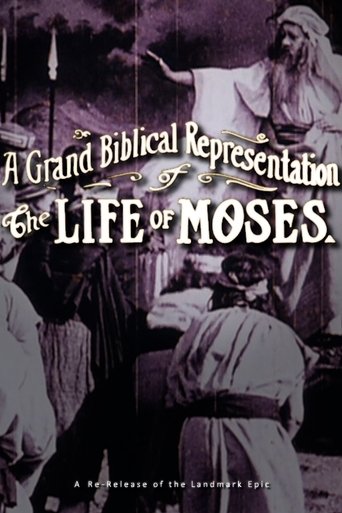
- Acted in The Life of Moses (1909), a groundbreaking biblical epic
- Directed and starred in numerous Vitagraph productions
- Pioneered early film directing techniques in the silent era
- Adapted classical literature for the screen, helping establish film as an artistic medium
Best Known For
Iconic Roles
Must-See Films
Accolades
Special Recognition
- Recognized as one of the directors of American cinema
- Honored by film historians for his contributions to early film adaptation
Working Relationships
Worked Often With
Studios
Why They Matter
Impact on Culture
Charles Kent played a significant role in establishing cinema as a legitimate artistic medium by adapting classical literature to the screen. His Shakespearean adaptations helped bridge the gap between respected theatrical traditions and the emerging art of filmmaking, lending cultural credibility to motion pictures during a time when they were often dismissed as mere entertainment. Kent's work demonstrated that complex narratives and sophisticated themes could be effectively conveyed through visual storytelling, influencing generations of filmmakers who would follow.
Lasting Legacy
Kent's legacy lies in his dual contributions as both an actor and director during cinema's formative years. He helped establish many of the techniques and conventions that would become standard in film direction, particularly in the adaptation of literary works. His extensive filmography provides valuable insight into the evolution of cinematic language and storytelling techniques during the silent era. Film historians recognize Kent as a crucial transitional figure who brought theatrical sophistication to early American cinema.
Who They Inspired
Kent influenced early filmmakers through his innovative approaches to staging and composition, particularly in handling complex scenes with multiple actors. His work adapting classical literature for the screen paved the way for future generations of directors who would tackle ambitious literary adaptations. His techniques for visual storytelling and his emphasis on bringing artistic legitimacy to cinema influenced the development of film as an art form throughout the 20th century.
Off Screen
Charles Kent emigrated from England to the United States in the late 19th century, bringing with him extensive theatrical experience from the British stage. He married actress Adele De Garde, who frequently appeared in his films, creating one of early cinema's first power couples. The couple had one child together. Kent maintained a reputation as a respected figure in the early film community, known for his professionalism and dedication to elevating the artistic quality of motion pictures.
Education
Classical theatrical training in England, details of formal education not documented
Family
- Adele De Garde (married 1910-1923)
Did You Know?
- Charles Kent was one of the first film directors in America, beginning his directing career in 1908
- He appeared in over 200 films during his career, making him
- Kent was among the first filmmakers to adapt Shakespeare to the screen, directing multiple Shakespeare plays
- He worked primarily for Vitagraph,
- Kent was already in his 50s when he began his film career, bringing mature theatrical experience to the new medium
- His film A Midsummer Night's Dream (1909) is considered one of the earliest Shakespeare film adaptations
- Kent often played multiple roles in the same film, a common practice in early cinema
- He continued acting and directing until shortly before his death in 1923
- Kent's stage background made him particularly adept at translating theatrical works to the screen
- He was part of the first generation of filmmakers who established the language of cinema
In Their Own Words
The motion picture is not merely entertainment, but a new art form capable of expressing the deepest human emotions and the most profound literary works.
In adapting Shakespeare to the screen, we must not merely film the play, but recreate it in the language of cinema.
Frequently Asked Questions
Who was Charles Kent?
British-American actor and on YTB.my. He worked primarily for Vitagraph Studios and was known for adapting literary classics to film, including Shakespeare plays.
What films is Charles Kent best known for?
Titles linked here include A Midsummer Night's Dream (1909), The Life of Moses (1909).
When was Charles Kent born and when did he die?
Born June 18, 1852; died May 21, 1923.
What awards did Charles Kent win?
Charles Kent worked during the early silent era before the establishment of major film awards like the Academy Awards. He is recognized by film historians as a figure in early cinema rather than for formal awards.
What was Charles Kent's acting and directing style?
Kent's acting style reflected his classical stage training with theatrical gestures suited for silent films, while his directing style emphasized innovative staging and visual storytelling. He was particularly noted for his ability to adapt complex literary works to the screen.
What studio did Charles Kent work for?
Charles Kent worked primarily for the Vitagraph Company of America,.