
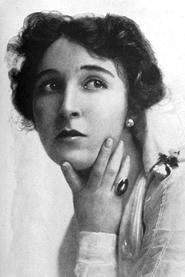
Edith Storey
Actor
Born: March 18, 1892 in New York City, New York, USA Died: October 9, 1967 Active: 1908-1915
Films
5 films
About Edith Storey
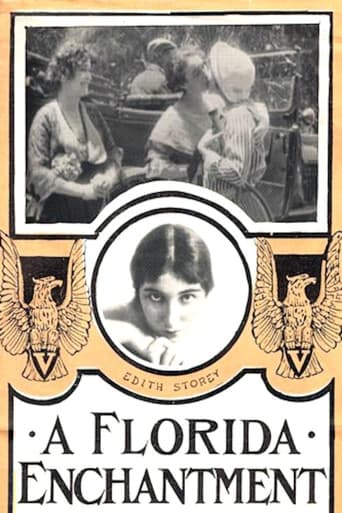
American actress of the silent film era who began her career with the Vitagraph Company of America in the early 1900s. She quickly rose to prominence as one of the studio's leading ladies, starring in numerous one-reel shorts and feature-length productions. Storey was particularly noted for her versatility, excelling in dramatic adaptations of literary classics such as 'Oliver Twist' (1909) and 'Twelfth Night' (1910), as well as in more experimental fare like 'A Florida Enchantment' (1914), one of the earliest films to explore gender-bending themes. Her performances were characterized by a naturalistic style that was ahead of its time for the melodramatic conventions of early cinema. Despite her popularity during the peak years of her career (1909-1914), Storey, like many early film stars, saw her prominence wane as the industry evolved and new stars emerged. She retired from acting in the mid-1910s, leaving behind a significant body of work that represents an important chapter in the development of American cinema.
The Craft
On Screen
Storey was known for her naturalistic and understated acting style, which contrasted with the exaggerated gestures common in early silent cinema. She brought a subtle emotional depth to her performances, particularly in dramatic roles, and possessed a remarkable ability to convey complex emotions through facial expressions and body language. Her approach to acting was more restrained and realistic than many of her contemporaries, making her performances feel more authentic and relatable to audiences.
Milestones
- Leading lady for Vitagraph Studios during its golden age
- Starred in one of the earliest film adaptations of 'Oliver Twist' (1909)
- Appeared in groundbreaking film 'A Florida Enchantment' (1914) with gender-bending themes
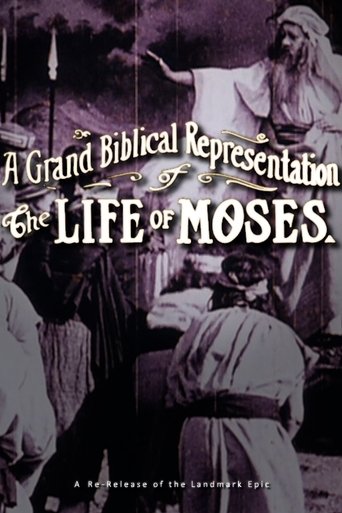
- Featured in biblical epic 'The Life of Moses' (1909)
- Performed in Shakespeare adaptation 'Twelfth Night' (1910)
Best Known For
Iconic Roles
Must-See Films
Working Relationships
Worked Often With
Studios
Why They Matter
Impact on Culture
Edith Storey was part of the first generation of American film stars who helped establish the language of cinema during its formative years. Her work with Vitagraph Studios contributed to the company's reputation as. Storey's performances in literary adaptations helped demonstrate cinema's potential as a serious artistic medium capable of bringing classic literature to mass audiences. Her role in 'A Florida Enchantment' was particularly significant, as it was one of the earliest American films to explore themes of gender identity and sexuality, making it a work in LGBTQ cinema history.
Lasting Legacy
Edith Storey's legacy lies in her contributions to early American cinema during a crucial period of its development. As one of Vitagraph's most reliable and versatile leading ladies, she helped establish the star system that would become central to Hollywood's success. Her surviving films provide valuable insights into the evolution of acting styles and narrative techniques in silent cinema. While her name may not be as widely recognized today as some of her contemporaries who transitioned successfully into feature films, Storey represents an important link between the theatrical traditions of the 19th century and the emerging art form of cinema.
Who They Inspired
Storey influenced subsequent generations of actors through her naturalistic acting style, which helped move film performance away from theatrical exaggeration toward more realistic portrayals. Her work in literary adaptations demonstrated how classic texts could be successfully adapted for the screen, influencing countless future filmmakers. Her performance in 'A Florida Enchantment' paved the way for more nuanced and complex representations of gender and sexuality in American cinema, though the film's themes would not be openly explored again for decades.
Off Screen
Edith Storey was born into a theatrical family in New York City and began her career as a stage actress before transitioning to films. She married fellow actor Harry T. Morey in 1911, and they frequently appeared together in Vitagraph productions. The couple divorced in 1915, around the same time Storey retired from acting. After leaving the film industry, she largely withdrew from public life and focused on her family. Storey spent her later years in California, where she lived until her death in 1967 at the age of 75.
Family
- Harry T. Morey (1911-1915)
Did You Know?
- She was one of the highest-paid actresses at Vitagraph Studios during her peak years
- Storey began her film career at just 16 years old
- She appeared in over 100 films during her brief career
- Her film 'A Florida Enchantment' (1914) was considered quite controversial for its time due to its gender-bending themes
- Storey was often billed simply as 'Edith' in early Vitagraph productions
- She worked extensively with filmmaker J. Stuart Blackton, co-founder of Vitagraph
- Many of her films are now considered lost, a common fate for early silent cinema
- She retired from films at the relatively young age of 23
- Storey was part of Vitagraph's stock company of actors, similar to a theater troupe
- Her performances were praised by contemporary critics for their subtlety and naturalness
Frequently Asked Questions
Who was Edith Storey?
American actress of the silent film era who worked primarily for Vitagraph Studios from 1908 to 1915. She was known for her naturalistic acting style and appeared in numerous literary adaptations and early feature films, establishing herself as one of the studio's leading ladies during cinema's formative years.
What films is Edith Storey best known for?
Titles linked here include Oliver Twist (1909), The Life of Moses (1909).
When was Edith Storey born and when did she die?
Born March 18, 1892; died October 9, 1967.
What was Edith Storey's acting style?
Storey was known for her naturalistic and understated acting style, which was ahead of its time for early cinema. Unlike many of her contemporaries who used exaggerated theatrical gestures, she employed subtle facial expressions and restrained movements to convey emotion, making her performances feel more authentic and realistic.
Why did Edith Storey retire so young?
Storey retired from acting around 1915 at age 23, shortly after her divorce from fellow actor Harry T. Morey. While the exact reasons are unclear, this was common for early film stars as the industry was rapidly changing and many actors found it difficult to adapt to new technologies and evolving audience tastes.
What was Edith Storey's connection to Vitagraph Studios?
Storey was one of Vitagraph Company of America's principal leading ladies during the studio's peak years. She was part of their stock company of actors and worked extensively with co-founder J. Stuart Blackton, appearing in dozens of their productions and helping establish Vitagraph as.