
Julia Arthur
Actor
Born: May 3, 1868 in Hamilton, Ontario, Canada Died: March 28, 1950 Active: 1880s-1910s Birth Name: Ida Lewis
Films
1 film
About Julia Arthur
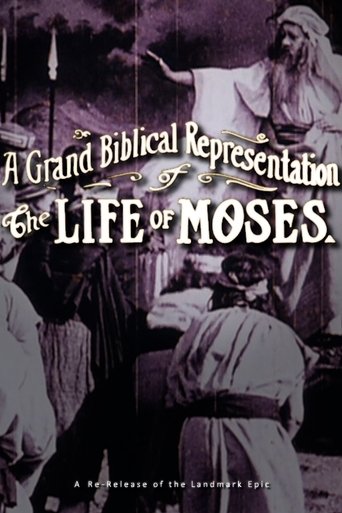
Julia Arthur, born Ida Lewis, was a celebrated Canadian-born American actress who achieved remarkable success during the late Victorian and Edwardian eras. She began her career on the stage at a young age, quickly rising to prominence with her exceptional beauty and dramatic talent in Shakespearean productions. Arthur became prominent actresses of her time, commanding unprecedented salaries and performing in prestigious theaters across America and Europe. Her stage career peaked in the 1890s when she was considered one of the finest dramatic actresses of her generation, particularly acclaimed for her roles in tragedies and classic dramas. In 1909, she made a brief foray into early cinema with her appearance in 'The Life of Moses,' representing one of her few film ventures during the emerging motion picture era. Following her marriage to actor-manager Ben Porter, she gradually reduced her performances and eventually retired from the entertainment industry, living a quiet life away from the spotlight she once commanded.
The Craft
On Screen
Julia Arthur was known for her highly emotional and melodramatic acting style, typical of the late Victorian theatrical tradition. Her performances were characterized by intense emotional expression, graceful movement, and a powerful stage presence that captivated audiences. Arthur excelled in tragic roles, utilizing her striking beauty and dramatic voice to convey deep pathos and passion. Her technique emphasized clear diction, exaggerated gestures, and the ability to sustain long emotional arcs throughout performances, which was the standard for serious dramatic acting during her era.
Milestones
- Stage debut in 1880s with various stock companies
- Breakthrough role in 'Lady of Lyons' establishing her as a leading actress
- Successful Shakespearean performances including Ophelia and Juliet
- Formation of her own theatrical company with husband Ben Porter
- Appearance in 'The Life of Moses' (1909) during early cinema era
- Commanded one of the highest salaries for actresses of her time
Best Known For
Iconic Roles
Must-See Films
Accolades
Special Recognition
- Inducted into Canadian Theatre Hall of Fame
- Recognized as one of Canada's theatrical exports
Working Relationships
Worked Often With
Studios
Why They Matter
Impact on Culture
Julia Arthur represented the transition from the Victorian theatrical tradition to the emerging modern entertainment era. As one of the first Canadian actresses to achieve international stardom, she paved the way for future Canadian performers in American entertainment. Her success demonstrated that women could achieve financial independence and professional autonomy through theatrical performance during an era when such opportunities were limited for women. Arthur's brief appearance in early cinema symbolized the broader shift from stage to screen that would define 20th century entertainment.
Lasting Legacy
Julia Arthur's legacy lies primarily in her contribution to American and Canadian theatrical history as. She exemplified the height of Victorian dramatic performance and helped establish standards for professional acting that would influence subsequent generations. Though largely forgotten today, during her lifetime she was as famous as any actress of her era, commanding audiences and critical acclaim across North America. Her career serves as an important bridge between 19th century theatrical traditions and the emerging film industry of the 20th century.
Who They Inspired
Arthur influenced generations of actresses through her professional success and artistic standards. Her ability to command high salaries and maintain creative control over her productions demonstrated new possibilities for women in entertainment. Her dramatic style, while typical of her era, set benchmarks for emotional intensity and technical proficiency that aspiring actors sought to emulate. Though she did not directly mentor many performers, her career model inspired future generations of actresses to pursue both artistic excellence and professional autonomy.
Off Screen
Julia Arthur married Benjamin Porter Pyle, known professionally as Ben Porter, who was both an actor and theatrical manager. Their marriage was both romantic and professional, with Porter managing Arthur's career and the couple often performing together. The couple had no children but maintained a close partnership throughout their lives. After retiring from the stage, Arthur lived a relatively private life, focusing on her marriage and personal interests away from the public eye. She spent her later years in Boston, where she died at the age of 81.
Education
Educated in Hamilton, Ontario; received early theatrical training with local stock companies
Family
- Ben Porter (Benjamin Porter Pyle) (1894-1943)
Did You Know?
- Born Ida Lewis, she chose her stage name from a character in a play she admired
- She was considered
- Arthur commanded salaries of up to $2,000 per week during her peak, equivalent to over $60,000 today
- She performed for Queen Victoria during a tour of England
- Her appearance in 'The Life of Moses' was one of her rare film appearances
- She retired from performing relatively early compared to many of her contemporaries
- Arthur was one of the first Canadian performers to achieve international stardom
- She maintained a lifelong friendship with fellow actress Maude Adams
- Her theatrical company was
- Despite her fame, she preferred a quiet life away from the spotlight in her later years
In Their Own Words
The stage is not merely a platform for entertainment, but a temple where the human soul reveals its deepest truths.
To act is not to pretend, but to become the truth of another's existence.
Beauty may capture the eye, but only truth can capture the heart.
Frequently Asked Questions
Who was Julia Arthur?
Celebrated Canadian-born American actress who achieved fame during the late Victorian and Edwardian eras, primarily known for her work on the stage in Shakespearean and dramatic productions, with a brief appearance in early cinema including 'The Life of Moses' (1909).
What films is Julia Arthur best known for?
Titles linked here include The Life of Moses (1909).
When was Julia Arthur born and when did she die?
Born May 3, 1868; died March 28, 1950.
What awards did Julia Arthur win?
During her era, formal acting awards were not yet established, but Julia Arthur received critical acclaim and recognition for her theatrical performances, later being posthumously inducted into the Canadian Theatre Hall of Fame for her contributions.
What was Julia Arthur's acting style?
Julia Arthur's acting style was characterized by the highly emotional and melodramatic approach typical of late Victorian theater, featuring intense emotional expression, graceful movement, and powerful vocal delivery that emphasized the tragic elements of her classical roles.