Films
1 film
About Kenneth Casey
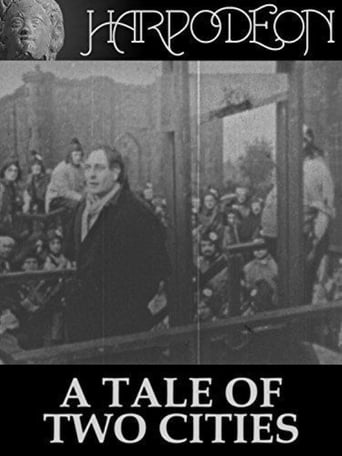
Kenneth Casey worked on one surviving credit: A Tale of Two Cities (1911). ' produced by the Thanhouser Company. Like many actors of this era, Casey likely transitioned from stage work to the new medium of motion pictures, which was still in its infancy. The Thanhouser Company was one of the early independent film studios that operated from New York rather than Hollywood, which was not yet established as the center of American film production. Casey's brief film career coincided with a period when feature-length films were rare and most productions were short one-reelers. His appearance in this literary adaptation places him among the early generation of actors who helped establish the foundation of American cinema. Unfortunately, like many performers from this transitional period, detailed records of his life and career are scarce.
The Craft
Milestones
- Appeared in the 1911 film adaptation of 'A Tale of Two Cities'
Best Known For
Iconic Roles
Must-See Films
Working Relationships
Studios
Why They Matter
Impact on Culture
Kenneth Casey's contribution to cinema, while limited, represents the spirit of early filmmakers who helped establish the art form during its nascent stages. His participation in one of the earliest film adaptations of classic literature demonstrates the early recognition of cinema's potential to bring beloved stories to the screen. Though his individual impact was minimal, actors like Casey collectively laid the groundwork for the film industry that would follow.
Lasting Legacy
As an actor from the very early days of American cinema, Kenneth Casey's legacy is primarily historical, representing the generation of performers who worked during the transition from stage to screen. His appearance in a 1911 literary adaptation places him among the early pioneers who helped prove that cinema could handle complex narratives and adaptations of classic works.
Who They Inspired
Due to the extremely brief nature of his film career and the scarcity of documentation, there is no evidence of Kenneth Casey having influenced subsequent performers or filmmakers. His influence is limited to his participation in the early development of narrative cinema during its formative years.
Off Screen
Very little is known about Kenneth Casey's personal life, which was common for many early film actors whose careers predated the era of celebrity culture and extensive media coverage.
Did You Know?
- The 1911 'A Tale of Two Cities' was one of the earliest film adaptations of Dickens' novel
- The Thanhouser Company that produced the film was based in New Rochelle, New York
- Most films from 1911 were one-reel productions lasting about 10-15 minutes
- Silent actors from this period often came from theatrical backgrounds
- Many early film actors' careers were brief as the industry was still developing
- The film industry was centered on the East Coast before moving to Hollywood
- Very few actors from 1911 have extensive biographical records
- Early cinema actors were often without on-screen billing in films
Frequently Asked Questions
Who was Kenneth Casey?
Early American film with credits in this catalog.' His career was extremely brief, spanning only the year 1911, and he worked with the Thanhouser Company, one of the early independent film studios.
What films is Kenneth Casey best known for?
Titles linked here include A Tale of Two Cities (1911).
When was Kenneth Casey born and when did he die?
Unfortunately, specific birth and death dates for Kenneth Casey are not documented in available historical records. This lack of personal information is common for many early film actors who worked before the era of comprehensive celebrity documentation.
What awards did Kenneth Casey win?
Kenneth Casey did not receive any known awards or nominations during his brief film career. The Academy Awards were not established until 1929, nearly two decades after his only known film appearance.
What was Kenneth Casey's acting style?
There is no documented information available about Kenneth Casey's specific acting style or techniques. Like many actors from the very early silent era, his performances would have reflected the theatrical conventions of the period, with exaggerated gestures and expressions suited to the limitations of early film technology.
What studio did Kenneth Casey work with?
Kenneth Casey worked with the Thanhouser Company, an early independent film studio based in New Rochelle, New York. The Thanhouser Company was one of the significant American film studios during the early 1910s before the industry consolidated in Hollywood.
Why is so little known about Kenneth Casey?
The scarcity of information about Kenneth Casey is typical of many early film actors from this period. The film industry was still in its infancy, comprehensive record-keeping was limited, and many actors had brief careers before returning to other professions or the stage. Additionally, the focus was on the films themselves rather than the personal lives of performers.