
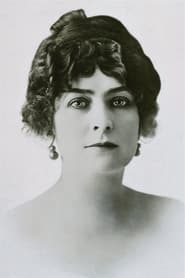
Julia Swayne Gordon
Actor
Born: October 29, 1878 in Columbus, Ohio, USA Died: April 28, 1933 Active: 1909-1928
Films
10 films

About Julia Swayne Gordon
American actress who flourished during the silent film era — known for her commanding presence and versatile performances in literary adaptations. Beginning her career in 1909 with the Biograph Studio, she quickly established herself as a reliable character actress capable of portraying both aristocratic ladies and working-class women with equal authenticity. Gordon's most prolific period was between 1910 and 1915, when she appeared in numerous films for prominent directors of the era, often in adaptations of classic literature including Shakespeare and Dickens. She worked extensively with D.W. Griffith and appeared in several of his early productions, demonstrating remarkable range in both dramatic and comedic roles. As the film industry evolved, Gordon adapted to changing tastes and continued working through the 1920s, though her pace of productions slowed. Her career concluded in 1928 as the transition to sound films began, marking the end of nearly two decades of contributions to early American cinema. Gordon's legacy lies in her ability to bring depth and credibility to characters during cinema's formative years.
The Craft
On Screen
Julia Swayne Gordon was known for her naturalistic and understated acting style, which was particularly notable during an era when many silent film actors employed exaggerated gestures and melodramatic expressions. She brought a theatrical gravitas to her roles while maintaining the subtlety required for the new medium of cinema. Gordon excelled at conveying complex emotions through subtle facial expressions and controlled body language, making her particularly effective in literary adaptations where character depth was essential. Her performances often displayed a quiet dignity and emotional restraint that set her apart from her contemporaries.
Milestones
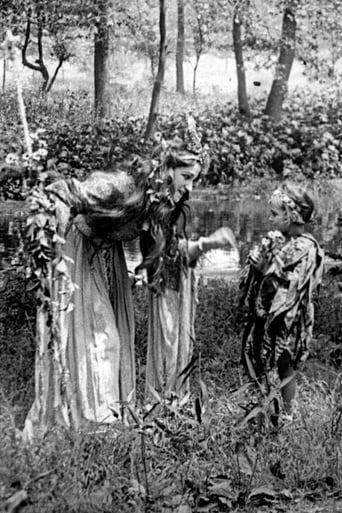
- Breakthrough role in D.W. Griffith's 'A Midsummer Night's Dream' (1909)
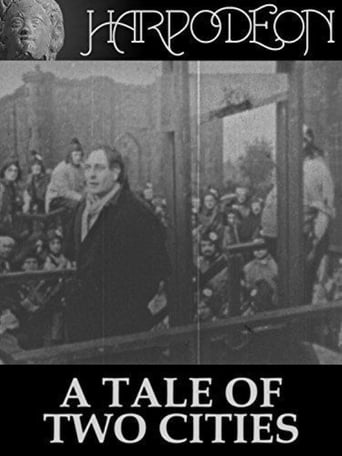
- Leading role in 'A Tale of Two Cities' (1911) adaptation
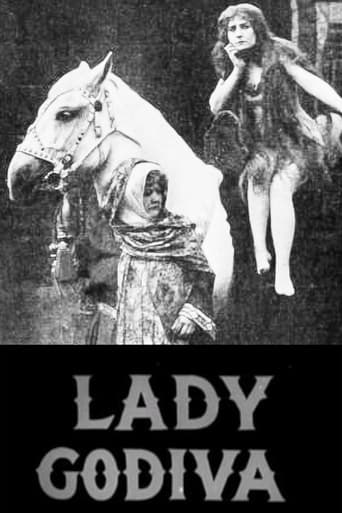
- Memorable performance in 'Lady Godiva' (1911)
- Extended collaboration with Biograph Studio during its golden years
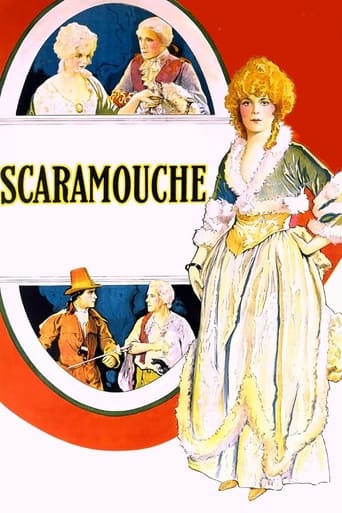
- Transition to feature films with 'Scaramouche' (1923)
Best Known For
Iconic Roles
Must-See Films
Accolades
Special Recognition
- Star on the Hollywood Walk of Fame (posthumous recognition for silent film contributions)
Working Relationships
Worked Often With
Studios
Why They Matter
Impact on Culture
Julia Swayne Gordon played a significant role in establishing the legitimacy of cinema as an art form during its early years. Her work in literary adaptations helped bridge the gap between theater and film, bringing cultural respectability to the new medium. By portraying classic literary characters with dignity and depth, Gordon contributed to the elevation of film from mere entertainment to serious artistic expression. Her performances demonstrated that silent film could handle complex literary material, paving the way for future adaptations and establishing a precedent for quality storytelling in cinema.
Lasting Legacy
Julia Swayne Gordon's legacy lies in her contributions to the foundation of American cinema during its formative years. As one of the actresses of the silent era, she helped establish acting techniques that would influence generations of performers. Her work in literary adaptations demonstrated the potential of cinema as a medium for serious artistic expression, contributing to the cultural acceptance of film as a legitimate art form. Though many of her films have been lost to time, her influence can be seen in the naturalistic acting style that became standard in later Hollywood productions.
Who They Inspired
Gordon influenced early film acting by demonstrating that subtlety and restraint could be more powerful than exaggerated expressions, a lesson that many silent film actors learned from her work. Her success in literary adaptations inspired other filmmakers to tackle more ambitious projects, knowing that audiences would respond to sophisticated storytelling. Younger actresses who worked with her at Biograph learned from her professional approach and dedication to craft, carrying these lessons forward in their own careers. Her work helped establish Biograph Studio's reputation for quality productions during its peak years.
Off Screen
Julia Swayne Gordon maintained a relatively private personal life despite her public career in early Hollywood. She was married to actor and director Harry Solter, with whom she sometimes collaborated professionally. The couple had no children, and Gordon focused primarily on her craft during her active years in film. After retiring from acting in 1928, she lived a quiet life away from the public eye until her death in 1933 at the age of 54. Her dedication to the art of acting and her professional approach to her craft earned her respect among her peers in the early film industry.
Education
Educated in Columbus, Ohio; likely received formal theatrical training before entering films
Family
- Harry Solter (1906-1920)
Did You Know?
- She was one of the first actresses to work regularly with D.W. Griffith at Biograph Studio
- Many of her films have been lost, as was common with early silent cinema
- She often played aristocratic or upper-class characters due to her dignified bearing
- Her husband Harry Solter was also a prominent director at Biograph
- She appeared in over 100 films during her career, though many were short subjects
- She was part of the original Biograph acting troupe that included Mary Pickford and Lionel Barrymore
- Her final film appearance was in 1928, just as the sound era was beginning
- She was particularly praised for her performances in Shakespeare adaptations
- Gordon was among the first generation of stage actors to successfully transition to film
- She worked during the period when film acting was establishing itself as a distinct art form from theater
In Their Own Words
The camera has its own truth, and the actor must learn to speak its language without words.
In silence, the face must tell the story that the voice cannot.
Literature belongs on the screen as much as on the stage, perhaps even more so.
Frequently Asked Questions
Who was Julia Swayne Gordon?
Prominent American actress of the silent film era, active from 1909 to 1928, known for her work in literary adaptations and her naturalistic acting style with Biograph Studio.
What films is Julia Swayne Gordon best known for?
Titles linked here include A Midsummer Night's Dream (1909), A Tale of Two Cities (1911).
When was Julia Swayne Gordon born and when did she die?
Born October 29, 1878; died April 28, 1933.
What awards did Julia Swayne Gordon win?
While she didn't receive formal awards during her career (which preceded most major film awards), she received posthumous recognition including a star on the Hollywood Walk of Fame for her contributions to silent cinema.
What was Julia Swayne Gordon's acting style?
Gordon was known for her naturalistic and understated acting style, using subtle facial expressions and controlled body language rather than the exaggerated gestures common in early silent films.
Did Julia Swayne Gordon work with any famous directors?
Yes, she worked extensively with D.W. Griffith at Biograph Studio and collaborated with other directors including her husband Harry Solter.
What happened to Julia Swayne Gordon's films?
Many of her films have been lost, which was common for early cinema due to the unstable nature of early film stock and lack of preservation efforts.
How did Julia Swayne Gordon influence early cinema?
She helped establish film acting as a distinct art form from theater, demonstrated the potential of literary adaptations in cinema, and influenced other actors with her naturalistic performance style.