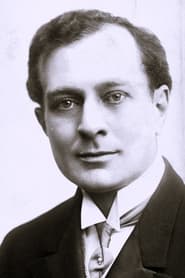
Maurice Costello
Actor
Born: February 22, 1877 in Pittsburgh, Pennsylvania, USA Died: October 29, 1950 Active: 1905-1936 Birth Name: Maurice George Costello
Films
3 films
About Maurice Costello
Maurice Costello was born on February 22, 1877, in Pittsburgh, Pennsylvania, and began his entertainment career on the theatrical stage before transitioning to the burgeoning film industry. He joined Vitagraph Studios in 1905 and quickly rose to become one of America's first male movie stars, often referred to as the 'first matinee idol of the screen.' Costello appeared in hundreds of short films during the silent era, specializing in romantic leading roles that capitalized on his handsome appearance and dramatic presence. His career peaked in the late 1900s and early 1910s when he was recognizable and popular actors in American cinema. As the film industry evolved toward longer, more sophisticated features, Costello's star gradually dimmed, though he continued to work in smaller character roles through the 1920s and into the early sound era. He was also the patriarch of a notable acting family, with both of his daughters, Dolores and Helene Costello, becoming successful film stars. Maurice Costello passed away on October 29, 1950, in Hollywood, leaving behind a legacy as one of cinema's earliest leading men.
The Craft
On Screen
Costello's acting style was characteristic of the early silent film era, featuring broad gestures, exaggerated facial expressions, and theatrical delivery that was necessary to convey emotion without dialogue. His performances emphasized romantic intensity and dramatic flair, often portraying the dashing hero or romantic lead with a commanding presence. As a former stage actor, he brought a theatrical gravitas to his film roles that helped legitimize cinema as a serious artistic medium during its early years.
Milestones
- Joined Vitagraph Studios in 1905, becoming one of their most valuable assets
- Starred in hundreds of popular short films during the silent era
- Became known as America's first male movie star/matinee idol
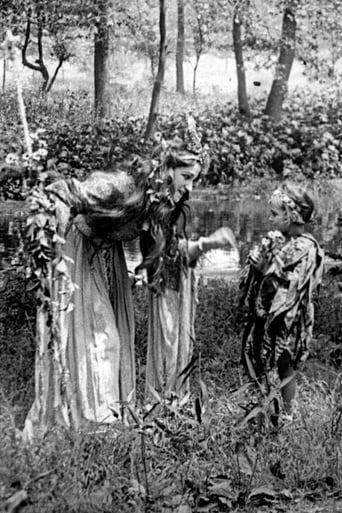
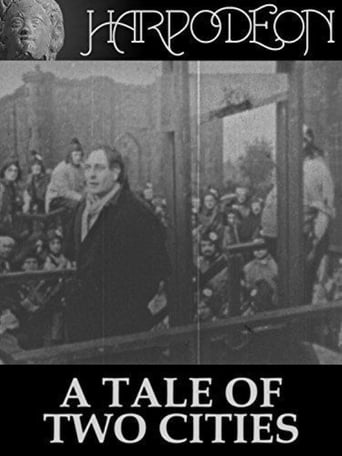
- Appeared in notable adaptations including 'A Midsummer Night's Dream' (1909) and 'A Tale of Two Cities' (1911)
- Successfully transitioned from stage to film during cinema's formative years
- Fathered two daughters who became major film stars in their own right
- Continued acting through the transition to sound films in character roles
Best Known For
Iconic Roles
Must-See Films
Accolades
Special Recognition
- Hollywood Walk of Fame star (motion pictures)
Working Relationships
Worked Often With
Studios
Why They Matter
Impact on Culture
Maurice Costello played a crucial role in establishing the template for the male movie star in American cinema. During an era when film was still considered a lower art form than theater, Costello's stage background and dignified presence helped legitimize cinema as a respectable medium for serious actors. His popularity demonstrated that audiences would form attachments to film actors just as they did to stage performers, paving the way for the star system that would dominate Hollywood for decades. Costello's success in romantic leading roles established archetypes that would be refined by later stars like Rudolph Valentino and Clark Gable.
Lasting Legacy
Maurice Costello's legacy lies primarily in his role as one of cinema's first male stars and as the patriarch of a notable acting dynasty. While his name is not as widely remembered today as some of his contemporaries, his influence on the development of the star system and his contribution to early cinema's artistic legitimacy cannot be overstated. Through his daughters, particularly Dolores Costello, his influence extended into the Golden Age of Hollywood, connecting the silent era to later periods of film history. His career trajectory also illustrates the challenges faced by early stars as the film industry rapidly evolved and professionalized.
Who They Inspired
Costello influenced subsequent generations of actors by demonstrating that film stardom was achievable and respectable. His transition from stage to film provided a model for other theatrical actors considering the new medium. His success in romantic roles helped establish the leading man archetype that would become central to Hollywood storytelling. Most significantly, his daughters' careers carried his influence forward into the sound era and Golden Age of Hollywood, with Dolores Costello becoming one of the major stars of the 1920s and 1930s.
Off Screen
Maurice Costello had a complex personal life marked by both professional success and personal challenges. He married actress Mae Costello (née Altschuk) in 1902, and they had two daughters who would both become successful actresses. The couple divorced in 1925 amid rumors of Costello's heavy drinking and domestic issues. He later married Ruth Reeves in 1930. Costello struggled with alcoholism in his later years, which contributed to the decline of his career and financial difficulties. Despite these challenges, he maintained relationships with his daughters, who occasionally helped support him financially during his final years.
Education
Limited formal education; trained in theater through practical experience rather than formal schooling
Family
- Mae Costello (1902-1925)
- Ruth Reeves (1930-1950)
Did You Know?
- Was one of the first actors to have a dedicated fan club in America
- His daughter Dolores Costello married John Barrymore, making him the grandfather of Drew Barrymore
- Was nicknamed 'The Dimpled Darling' by his fans
- Appeared in over 200 films during his career, though most were short subjects
- Was one of the highest-paid actors of his time, earning $500 per week at his peak
- His alcoholism led to his arrest for public intoxication in 1927, which was widely reported
- Served in the Spanish-American War before beginning his acting career
- Was a talented amateur boxer in his youth
- His divorce from Mae Costello was considered scandalous in the 1920s
- Made his final film appearance in 1936 after more than three decades in movies
In Their Own Words
The moving picture is the future of entertainment. Those who ignore it will be left behind like the horse and buggy.
In the theater, you have one chance to get it right each night. In pictures, you have many chances, but the camera never lies.
Frequently Asked Questions
Who was Maurice Costello?
Maurice Costello was one of the first major male movie stars in American cinema, active during the silent era from 1905 to the 1930s. He was particularly prominent at Vitagraph Studios and was known as America's first matinee idol of the screen, appearing in hundreds of short films and establishing the template for male film stardom.
What films is Maurice Costello best known for?
Titles linked here include A Midsummer Night's Dream (1909), A Tale of Two Cities (1911).
When was Maurice Costello born and when did he die?
Born February 22, 1877; died October 29, 1950.
What awards did Maurice Costello win?
While Maurice Costello did not receive major film awards during his career (as many award systems were not established during his peak years), he was honored with a star on the Hollywood Walk of Fame for his contributions to motion pictures. His recognition lies primarily in his role as one of cinema's first male stars.
What was Maurice Costello's acting style?
Costello's acting style was characteristic of the early silent film era, featuring theatrical gestures, exaggerated facial expressions, and dramatic intensity necessary to convey emotion without dialogue. His performances emphasized romantic heroism and dramatic presence, bringing theatrical gravitas to his film roles that helped legitimize cinema as an art form.
Did Maurice Costello have children who became actors?
Yes, Maurice Costello had two daughters who became successful actresses: Dolores Costello (1903-1979) and Helene Costello (1906-1957). Dolores became a major film star who married John Barrymore, making Costello the grandfather of actress Drew Barrymore.
Why did Maurice Costello's career decline?
Costello's career declined due to several factors including the evolution of the film industry toward more sophisticated feature films, his advancing age, and personal struggles with alcoholism. Additionally, changing audience tastes and the emergence of new male stars like Rudolph Valentino with different styles contributed to his diminishing roles in the 1920s and beyond.