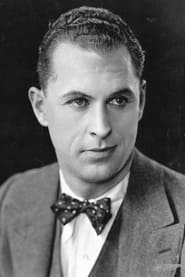
Ralph Ince
Actor & Director
Born: January 16, 1887 in Boston, Massachusetts, USA Died: April 10, 1937 Active: 1911-1937 Birth Name: Ralph Waldo Ince
Films
4 films
About Ralph Ince
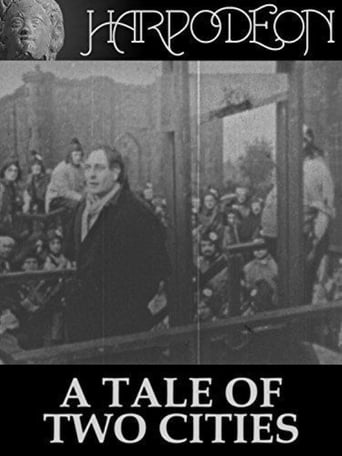
Ralph Waldo Ince was born on January 16, 1887, in Boston, Massachusetts, into a family that would become influential in early American cinema. As the younger brother of director Thomas H. Ince, Ralph had a natural entry point into the burgeoning film industry. He began his career as an actor around 1911, appearing in numerous silent films including the early adaptation of 'A Tale of Two Cities.' Ralph transitioned to directing in the mid-1910s and became remarkably prolific, eventually directing over 100 films throughout his career. His directing work spanned multiple genres including dramas, comedies, action films, and romantic features. While not achieving the artistic recognition of his brother Thomas, Ralph established himself as a reliable, efficient director who could deliver commercial films on schedule and within budget. He successfully navigated the challenging transition from silent films to talkies in the late 1920s, though his career began to decline in the early 1930s. Tragically, Ralph Ince's life and career were cut short when he died in a car accident on April 10, 1937, in Hollywood, at the age of 50, just as he was attempting a comeback in the film industry.
The Craft
On Screen
As an actor in the silent era, Ralph Ince employed the exaggerated gestures and facial expressions typical of the period, using his physical presence to convey emotion and narrative. He often played leading man roles in dramatic films, though he also demonstrated versatility in comedic roles. His screen presence was described as commanding and distinctive, making him recognizable to audiences of the time. Like many silent era actors, he had to adapt his performance style to the limitations of early film technology, relying heavily on body language and expressive techniques to communicate with audiences.
Behind the Camera
Ralph Ince was known for his efficient, commercial approach to filmmaking, often completing projects quickly and within budget constraints. His directing style was straightforward and focused on clear, accessible storytelling that would appeal to mainstream audiences. While not considered an artistic innovator like his brother Thomas, Ralph was a competent craftsman who could effectively handle various genres from melodramas to action films. His work exemplified the studio system's emphasis on productivity and reliability over artistic experimentation, making him a valuable director for the major studios of his era.
Milestones
- Transitioned from acting to directing in the mid-1910s
- Directed over 100 films during his career
- Worked for major studios including Vitagraph, Fox, and Universal
- Successfully navigated the transition from silent films to talkies
- Part of the influential Ince film dynasty with brother Thomas H. Ince
- Served in the U.S. Navy during World War I
- Made the early film adaptation of 'A Tale of Two Cities' (1911)
Best Known For
Iconic Roles
Must-See Films
Working Relationships
Worked Often With
Studios
Why They Matter
Impact on Culture
Ralph Ince contributed to the development of early American cinema through his prolific output as both actor and director during the crucial formative years of Hollywood. While not achieving the legendary status of his brother Thomas, Ralph was part of the generation of filmmakers who helped establish the language and conventions of commercial cinema during the silent era. His work represents the mainstream, commercially-oriented filmmaking that helped build the foundation for Hollywood's eventual dominance in global cinema. As one of the directors who successfully transitioned from silent to sound films, he was part of the technological and artistic evolution that defined early Hollywood.
Lasting Legacy
Ralph Ince's legacy is primarily that of a representative workmanlike filmmaker from the golden age of studio production. He exemplifies the many competent directors who were essential to the studio system's massive output but whose individual contributions have largely faded from popular memory. His career trajectory from actor to director, his productivity (over 100 directed films), and his ability to work across multiple studios and genres make him a representative figure of early Hollywood's industrial approach to filmmaking. His story also illustrates the precarious nature of fame in early cinema, where even prolific directors could become relatively obscure within decades of their deaths.
Who They Inspired
While not known as a major artistic innovator, Ralph Ince's efficient directing style and ability to work across genres influenced the development of the studio system's approach to commercial filmmaking. His career demonstrated the viability of transitioning from acting to directing, a path that many others would follow in Hollywood. His work during the transition to sound films contributed to the industry's understanding of how to adapt filmmaking techniques to new technologies. The sheer volume of his work helped establish patterns and conventions that would be refined by subsequent generations of Hollywood directors.
Off Screen
Ralph Ince's personal life was marked by three marriages and his connection to Hollywood's early film dynasty through his brother Thomas H. Ince. Unlike many Hollywood figures of his era, his personal life was relatively free of major scandals or controversies. He served in the U.S. Navy during World War I, temporarily interrupting his film career. His family connections in the industry provided both opportunities and expectations, as he worked to establish his own reputation beyond being known as 'Thomas Ince's brother.' His final years were spent attempting a career comeback before his untimely death in a car accident.
Education
No specific educational background information available in historical records
Family
- Lucille Lee Stewart (1910-1915)
- Eleanor Woodruff (1915-1925)
- Helen Ruth (1932-1937)
Did You Know?
- He was the younger brother of director Thomas H. Ince
- His full birth name was Ralph Waldo Ince
- He directed over 100 films during his career
- He died in a car accident in Hollywood at age 50
- He served in the U.S. Navy during World War I
- He was married three times, with his final marriage ending at his death
- He worked for virtually every major studio of his era
- His active years covered the entire silent era and into the early sound period
- He began his film career before Hollywood became the center of American film production
- He was attempting a career comeback at the time of his death
- His death was covered prominently in Hollywood trade papers
- He often used the name 'R.L. Ince' in film credits
In Their Own Words
No widely documented famous quotes attributed to Ralph Ince survive in historical records
Frequently Asked Questions
Who was Ralph Ince?
American actor and on YTB.my. He was the younger brother of director Thomas H. Ince and directed over 100 films during his career, working across multiple genres and studios.
What films is Ralph Ince best known for?
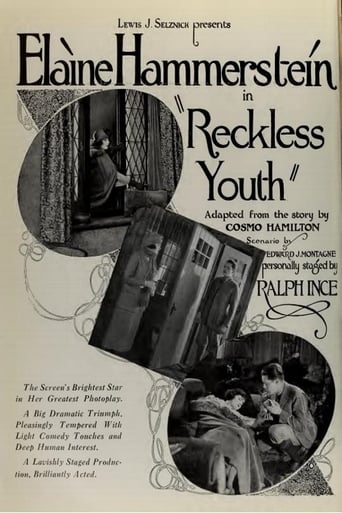
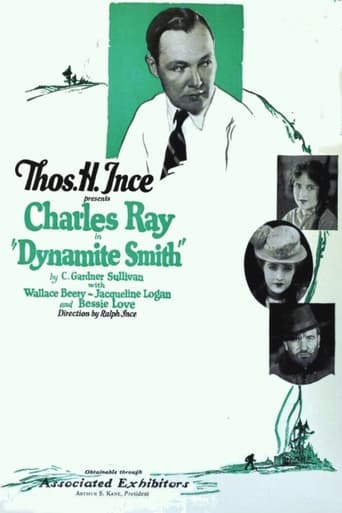
Titles linked here include Reckless Youth (1922), Dynamite Smith (1924).
When was Ralph Ince born and when did he die?
Born January 16, 1887; died April 10, 1937.
What awards did Ralph Ince win?
There are no documented major awards or honors that Ralph Ince received during his career, which was common for many workmanlike directors of the studio system era who focused on commercial productivity rather than artistic recognition.
What was Ralph Ince's directing style?
Ralph Ince was known for his efficient, commercial approach to directing, focusing on clear storytelling and working quickly within studio constraints. While not considered an artistic innovator, he was competent across various genres and exemplified the studio system's emphasis on reliability and productivity.
How was Ralph Ince related to Thomas H. Ince?
Ralph Ince was the younger brother of Thomas H. Ince, one of the directors of early American cinema known as 'The Father of the Western.' This family connection helped Ralph enter the film industry, though he worked to establish his own career separate from his famous brother's shadow.
How many films did Ralph Ince direct?
Ralph Ince directed over 100 films during his career, making him one of the more prolific directors of the silent era. His work spanned from the mid-1910s through the early 1930s, covering the transition from silent films to talkies.
What caused Ralph Ince's death?
Ralph Ince died on April 10, 1937, from injuries sustained in a car accident in Hollywood. His death was particularly tragic as it occurred just as he was attempting a comeback in the film industry after a period of reduced activity.