Mae Costello
Actor
Born: March 13, 1872 in Brooklyn, New York, United States Died: April 10, 1929 Active: 1905-1929 Birth Name: Mae Altschuk
Films
1 film
About Mae Costello
Mae Costello, born Mae Altschuk, was a prominent American actress of the silent film era who began her career on the stage before transitioning to motion pictures. She made her film debut in the early 1900s with the Vitagraph Company, where she often appeared alongside her husband Maurice Costello, forming one of early cinema's first romantic screen couples. Throughout her career, which spanned over two decades, she appeared in more than 100 films, establishing herself as a reliable character actress known for her maternal roles and dramatic performances. Her career flourished during the 1910s when she was one of Vitagraph's most popular stars, often playing sophisticated society women or concerned mothers. As the film industry evolved, she successfully adapted her acting style from the theatrical gestures of early cinema to the more naturalistic performances of the 1920s. Her legacy was cemented not only through her own work but through her daughters Dolores and Helene Costello, who became major stars in their own right. She continued acting until shortly before her death in 1929, leaving behind a significant body of work that represents the transition from stage to screen acting in early American cinema.
The Craft
On Screen
Mae Costello's acting style evolved from the theatrical, exaggerated gestures common in early silent films to more subtle, naturalistic performances as cinema matured. She was particularly skilled at conveying emotion through facial expressions and body language, essential in the silent era. Her maternal roles were especially praised for their warmth and authenticity, while her society characters displayed elegance and sophistication. She adapted well to the increasing realism demanded by audiences in the 1920s, demonstrating remarkable versatility across different genres from melodrama to comedy.
Milestones
- Stage debut in the late 1890s
- Film debut with Vitagraph Company in early 1900s
- Formation of popular screen partnership with husband Maurice Costello
- Mother of famous actresses Dolores and Helene Costello
- Appeared in over 100 silent films
- Transition from stage actress to film star during cinema's formative years
Best Known For
Iconic Roles
Must-See Films
Accolades
Special Recognition
- Pioneer of American silent cinema
- Matriarch of the Costello acting dynasty
Working Relationships
Worked Often With
Studios
Why They Matter
Impact on Culture
Mae Costello played a significant role in the development of American cinema during its formative years, helping establish the vocabulary of screen acting as it evolved from theatrical traditions. As one of the early stars at Vitagraph, she contributed to the company's dominance in the pre-Hollywood era and helped demonstrate the commercial viability of feature-length films. Her active years covered the entire silent era, making her a living connection between cinema's earliest days and its maturation in the 1920s. Through her daughters, particularly Dolores Costello's marriage to John Barrymore, she became part of Hollywood royalty, linking the early pioneers with the Golden Age of Hollywood. Her work in maternal roles helped establish important archetypes that would influence generations of actresses in family-oriented films.
Lasting Legacy
Mae Costello's legacy extends far beyond her own film performances, as she established one of Hollywood's most enduring acting dynasties. Her daughters, particularly Dolores Costello, became major stars who bridged the silent and sound eras, while her grandson John Drew Barrymore and great-granddaughter Drew Barrymore continued the family's cinematic tradition. She represents the important but often overlooked contributions of women in early cinema who helped shape the art form while balancing family responsibilities. Her career trajectory from stage to screen exemplifies the professional adaptation required of actors during cinema's rapid technological and artistic evolution. As a pioneer who worked through the entire silent era, she serves as an important link between cinema's primitive beginnings and its sophisticated Golden Age.
Who They Inspired
Mae Costello influenced generations of actors through her work in establishing naturalistic screen acting techniques that moved away from theatrical exaggeration. Her success as both a leading lady and character actress demonstrated the viability of long-term careers in the new medium of film. She mentored her daughters, helping them navigate the challenges of child stardom and transition to adult careers, with Dolores becoming. Her professional approach to acting and career management served as a model for other women in the early film industry. The Costello acting dynasty she founded continues to influence Hollywood, with her great-granddaughter Drew Barrymore carrying the family legacy into the 21st century.
Off Screen
Mae Costello was married to fellow actor Maurice Costello, and together they formed one of the first power couples of American cinema. Their marriage was often tumultuous, marked by Maurice's reported infidelities and alcohol problems, leading to their eventual separation. Despite their personal difficulties, they maintained a professional relationship and continued to appear in films together. Mae dedicated herself to raising her two daughters, Dolores and Helene, both of whom she guided into successful acting careers. The family lived in New York during their early careers before eventually relocating to Hollywood as the film industry shifted west. Mae was known as a devoted mother who carefully managed her daughters' careers, ensuring they received proper contracts and education.
Education
Limited formal education; trained in acting through theater experience in the 1890s
Family
- Maurice Costello (1902-1927)
Did You Know?
- Was one of the first actresses to successfully transition from stage to silent film
- Formed one of early cinema's most popular screen couples with her husband Maurice Costello
- Her daughter Dolores Costello was nicknamed 'The Goddess of the Silver Screen'
- Was the grandmother of actor John Drew Barrymore and great-grandmother of Drew Barrymore
- Appeared in over 100 films during her career, though many are now lost
- Worked for Vitagraph Studios during its peak as one of America's leading film companies
- Her marriage to Maurice Costello was one of the first Hollywood marriages to end in a highly publicized separation
- Both of her daughters began their film careers as child actors
- Was part of the transition from New York-based film production to Hollywood
- Died just as the sound era was beginning, never appearing in a talkie
In Their Own Words
The screen demands a different kind of truth than the stage - it's in the eyes, not the words
Raising actresses is harder than being one - you must protect them while letting them shine
Frequently Asked Questions
Who was Mae Costello?
Screen credits include over 100 films between 1905 and 1929. She was particularly known for her work with the Vitagraph Company and for being the mother of actresses Dolores and Helene Costello, establishing one of Hollywood's enduring acting dynasties.
What films is Mae Costello best known for?
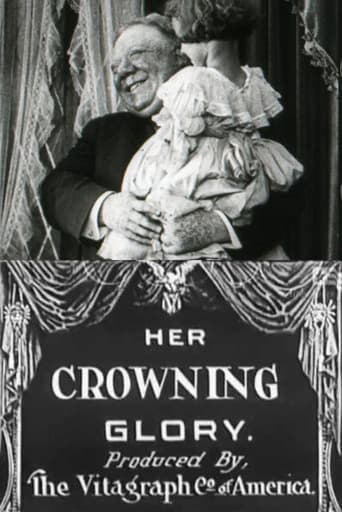
Titles linked here include Her Crowning Glory (1911), A Tale of Two Cities (1911).
When was Mae Costello born and when did she die?
Born March 13, 1872; died April 10, 1929.
What awards did Mae Costello win?
Mae Costello worked primarily before the establishment of major film awards like the Academy Awards. Her recognition came through her popularity with audiences and her status as a figure in early American cinema rather than through formal awards.
What was Mae Costello's acting style?
Mae Costello's acting style evolved from the theatrical gestures common in early silent films to more naturalistic performances as cinema matured. She was particularly skilled at conveying emotion through facial expressions and body language, excelling in maternal roles and sophisticated society characters.
How is Mae Costello related to Drew Barrymore?
Mae Costello was Drew Barrymore's great-grandmother. The lineage goes: Mae Costello - her daughter Dolores Costello - Dolores's son John Drew Barrymore - his daughter Drew Barrymore, making Mae the matriarch of this famous acting family.
What was Mae Costello's impact on early cinema?
figure who helped establish screen acting techniques as cinema evolved from theatrical traditions. As a star at Vitagraph, she contributed to the company's success and demonstrated the commercial viability of film careers, while her family dynasty influenced Hollywood for generations.