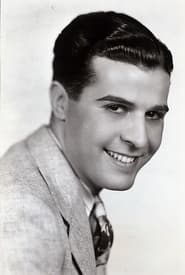
George J. Lewis
Actor
Born: December 10, 1903 in Guadalajara, Jalisco, Mexico Died: December 8, 1995 Active: 1925-1965
Films
4 films
About George J. Lewis
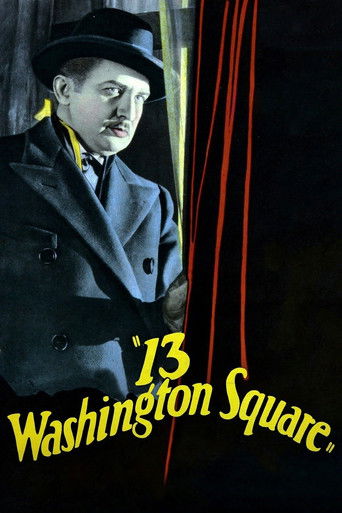
Prolific Mexican-American character actor: over four decades, from the silent era through the Golden Age of Hollywood and into television. Born in Guadalajara, Mexico, he moved to the United States and began his film career in the mid-1920s, appearing in silent films such as His People (1925) and 13 Washington Square (1928). Lewis successfully transitioned to talkies and became one of Hollywood's most reliable supporting actors, specializing in playing villains, authority figures, and ethnic characters. His distinctive appearance and commanding presence made him a favorite in Westerns, adventure films, and crime dramas. Throughout his career, he appeared in more than 180 films and television shows, working with major studios and frequently cast alongside Hollywood's biggest stars. In his later years, Lewis found renewed fame playing Don Alejandro de la Vega in the popular Disney Zorro television series. He continued acting until his retirement in the 1960s, leaving behind a as one of cinema's most recognizable character actors.
The Craft
On Screen
Lewis was known for his commanding screen presence and versatility in playing ethnic characters, particularly villains and authority figures. He had a distinctive baritone voice and a stern demeanor that made him perfect for playing antagonists, though he could also portray sympathetic characters when required. His acting style was rooted in classical Hollywood techniques, with precise diction and controlled movements that served his character roles effectively.
Milestones
- Appeared in over 180 films and television shows
- Successfully transitioned from silent films to talkies
- Played Don Alejandro de la Vega in Disney's Zorro series
- Frequent collaborator with The Three Stooges
- Worked extensively in Western and adventure genres
- Member of the John Ford stock company
Best Known For
Iconic Roles
Must-See Films
Accolades
Special Recognition
- Hollywood Walk of Fame star (Television category)
Working Relationships
Worked Often With
Studios
Why They Matter
Impact on Culture
George J. Lewis was one of the few Mexican-American actors to achieve significant success in Hollywood's Golden Age, breaking barriers for Latino performers in an era of limited opportunities. His ability to play diverse ethnic roles, while sometimes reflecting the stereotypes of the period, also demonstrated his remarkable range as an actor. His portrayal of Don Alejandro de la Vega in Zorro was particularly significant, presenting a positive representation of Hispanic culture to American audiences during the 1950s.
Lasting Legacy
Lewis's legacy lies in his incredible body of work as one of Hollywood's most prolific character actors. With over 180 screen credits, he served as a familiar face to generations of moviegoers and television viewers. His career trajectory from silent films through television exemplifies the adaptability required of actors during Hollywood's dramatic technological and cultural changes. His role in Zorro remains his most iconic, introducing him to new audiences and cementing his place in television history.
Who They Inspired
Lewis influenced subsequent generations of Latino actors by demonstrating that successful careers in Hollywood were possible, even within the limited roles available to ethnic actors during his era. His professionalism and versatility set a standard for character actors, and his ability to transition between film and television paved the way for other performers to navigate the changing entertainment landscape.
Off Screen
George J. Lewis was married to actress and screenwriter Inez Palange. The couple had two children together. Lewis was known for his professionalism on set and was respected by his colleagues for his reliability and versatility. He maintained a relatively private personal life, focusing primarily on his craft and supporting his family through his extensive acting work.
Education
Educated in Mexico and the United States, but specific educational institutions are not documented
Family
- Inez Palange (1930s-1995, his death)
Did You Know?
- Was fluent in both Spanish and English, which helped him secure diverse roles
- Appeared in multiple Three Stooges shorts throughout his career
- His distinctive mustache became his trademark in later years
- Often cast as a villain despite his off-screen reputation as a gentleman
- Worked with John Ford on several occasions as part of his stock company
- His final film appearance was in The Magnificent Seven (1960)
- Received a star on the Hollywood Walk of Fame for his television contributions
- Was one of the few actors to successfully transition from silent films to television
- His role in Zorro was originally intended to be recurring but became a main character
- Often played characters much older than his actual age due to his mature appearance
In Their Own Words
Acting is not about being famous, it's about being good at what you do.
In Hollywood, a character actor can work forever if he's reliable and professional.
Playing villains was always more interesting - they had better motivations.
Frequently Asked Questions
Who was George J. Lewis?
Screen credits include over 180 films and television shows from the 1920s through the 1960s. He was best known for his roles as villains and authority figures, particularly in Westerns, and for playing Don Alejandro de la Vega in Disney's Zorro television series.
What films is George J. Lewis best known for?
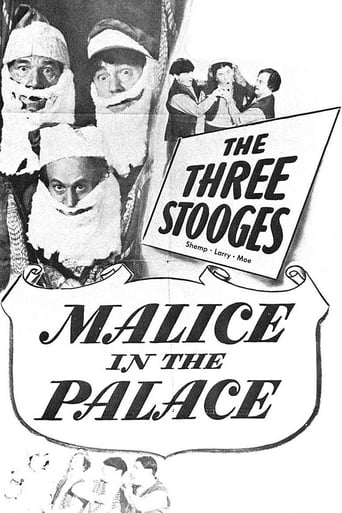
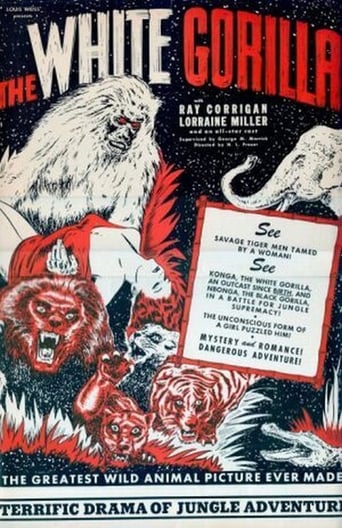
Titles linked here include The White Gorilla (1945), Malice in the Palace (1949).
When was George J. Lewis born and when did he die?
Born December 10, 1903; died December 8, 1995.
What awards did George J. Lewis win?
While Lewis did not receive major acting awards during his lifetime, he was honored with a star on the Hollywood Walk of Fame in the Television category, recognizing his significant contributions to the entertainment industry.
What was George J. Lewis's acting style?
Lewis was known for his commanding screen presence, distinctive baritone voice, and versatility in playing diverse character roles. He specialized in portraying villains and authority figures with a classical Hollywood approach, using precise diction and controlled movements to create memorable characters.
How did George J. Lewis impact Latino representation in Hollywood?
Lewis was one of the few Mexican-American actors to achieve significant success in Hollywood's Golden Age, breaking barriers for Latino performers. His role as Don Alejandro de la Vega in Zorro provided a positive representation of Hispanic culture to American audiences during the 1950s.