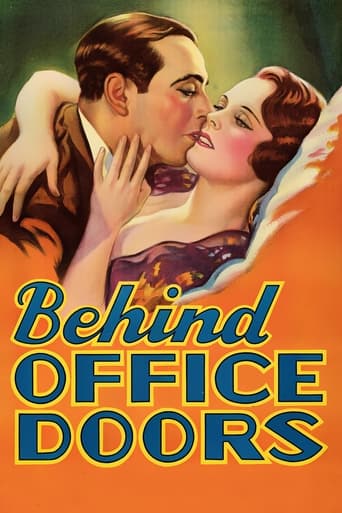
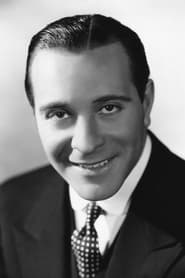
Ricardo Cortez
Actor
Born: September 19, 1900 in New York City, New York, USA Died: April 28, 1977 Active: 1924-1950 Birth Name: Jacob Krantz
Films
8 films
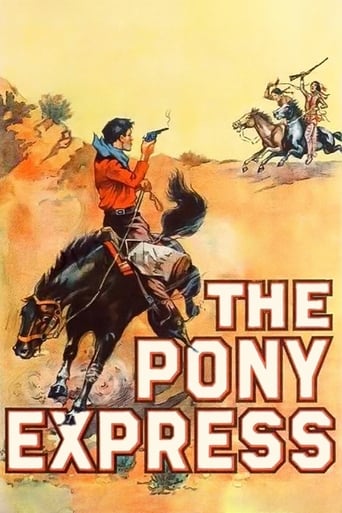
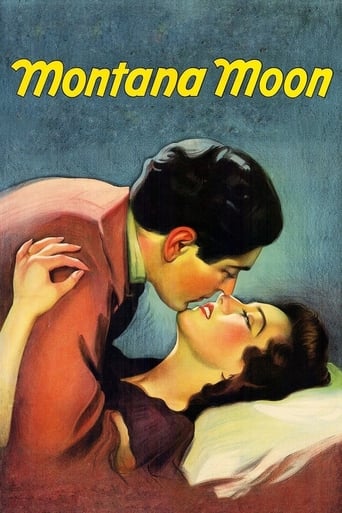
About Ricardo Cortez
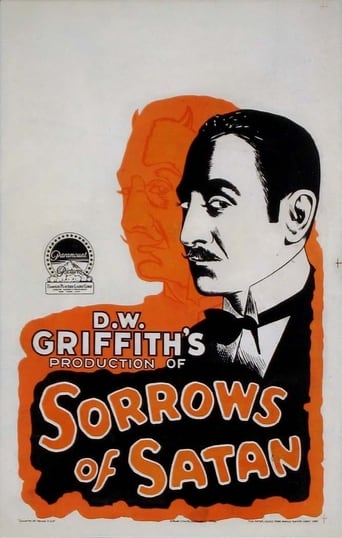
Prominent American actor who rose to fame during the silent film era and successfully transitioned into talkies. Born Jacob Krantz to Austrian-Jewish immigrant parents, he began his career as a stockbroker on Wall Street before being discovered by a talent scout. He signed with Paramount Pictures in the early 1920s and quickly became one of their leading men, often cast as a romantic opposite stars like Clara Bow and Greta Garbo. Cortez was particularly known for his sophisticated, continental appearance and his ability to portray both romantic heroes and villains with equal skill. His career peaked in the late 1920s with starring roles in major productions such as 'Torrent' and 'The Sorrows of Satan.' While his star power diminished somewhat with the advent of sound, he continued working steadily through the 1930s, often in supporting roles and B-pictures. Later in his career, he successfully transitioned to directing, helming numerous films for major studios before ultimately retiring from the industry.
The Craft
On Screen
Cortez was known for his sophisticated, continental demeanor and suave screen presence. His acting style embodied the romantic leading man archetype of the 1920s, characterized by expressive eyes, dramatic gestures, and a commanding presence. In silent films, he mastered the art of conveying emotion through facial expressions and body language, while in talkies, his distinctive voice and accent added to his exotic appeal. He was equally convincing as both romantic heroes and calculating villains, demonstrating remarkable range and versatility.
Milestones
- Discovered while working as a Wall Street stockbroker
- Signed contract with Paramount Pictures in 1924
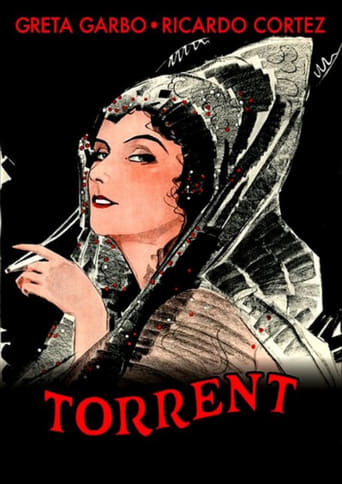
- Starred opposite Greta Garbo in 'Torrent' (1926)
- Successfully transitioned from silent films to talkies
- Became a film director in the late 1930s
- Directed over 20 films including 'The Devil's Party' (1938)
Best Known For
Iconic Roles
Must-See Films
Accolades
Special Recognition
- Hollywood Walk of Fame star at 6201 Hollywood Boulevard
Working Relationships
Worked Often With
Studios
Why They Matter
Impact on Culture
Ricardo Cortez represented the transition from the glamorous, exotic leading men of the silent era to the more naturalistic actors of the sound era. His ability to successfully navigate this change made him a model for other actors facing the challenge of talkies. As one of the first actors to play Sam Spade on screen, he helped establish the archetype of the hard-boiled detective that would later be perfected by Humphrey Bogart. His Latin screen persona, despite his European Jewish heritage, contributed to Hollywood's early patterns of ethnic representation and the creation of exotic romantic leads.
Lasting Legacy
Ricardo Cortez's legacy lies in his successful adaptation to the rapidly changing film industry of the 1920s and 1930s. He represents the archetype of the silent film leading man who refused to be rendered obsolete by technological innovation. His career trajectory from actor to director exemplified the mobility possible within the studio system for those with talent and adaptability. While not as remembered as some of his contemporaries, Cortez's body of work provides valuable insight into the evolution of Hollywood cinema from the silent era through the Golden Age. His films remain important artifacts for understanding transitional period cinema and the development of American film genres.
Who They Inspired
Cortez influenced subsequent generations of character actors through his versatility and professionalism. His portrayal of Sam Spade, though overshadowed by Bogart's later version, established early conventions for the film noir detective archetype. As a director, he helped shape the B-movie landscape of the late 1930s and 1940s, influencing the efficient storytelling techniques that would become standard in genre filmmaking. His career demonstrated the importance of adaptability in the entertainment industry, serving as an example for performers facing technological and cultural shifts in their own careers.
Off Screen
Ricardo Cortez married actress Alma Bennett in 1926, but their marriage ended in divorce in 1932. He later married Christine Conniff in 1939, with whom he remained until his death. Despite his on-screen image as a romantic leading man, Cortez was known in Hollywood as a private, family-oriented individual who preferred a quiet domestic life to the social scene. He had no children of his own but was known to be particularly close to his nephews. After retiring from filmmaking, he invested in real estate and lived comfortably in Los Angeles until his death from a heart attack at age 76.
Education
Attended public schools in New York City; briefly studied at Columbia University before leaving to work on Wall Street
Family
- Alma Bennett (1926-1932)
- Christine Conniff (1939-1977)
Did You Know?
- Was originally named Jacob Krantz but changed it to sound more exotic and marketable
- Worked as a Wall Street stockbroker before entering films
- Was the first actor to play Sam Spade in 'The Maltese Falcon' (1931)
- Despite his Latin screen name, he was of Austrian-Jewish descent
- His discovery story involved being spotted on a New York street by a talent scout
- Was considered for the role of Rhett Butler in 'Gone with the Wind' but lost to Clark Gable
- Directed more films than he acted in during the later part of his career
- Was known for his professionalism and reliability on set, rarely causing delays
- His marriage to Alma Bennett ended partly due to career tensions
- Retired from directing in 1950 to focus on real estate investments
In Their Own Words
I never planned to be an actor. I was perfectly happy on Wall Street until Hollywood came calling.
The transition from silent to sound wasn't as difficult for me as for others. I had a good voice and didn't mind using it.
Being a Latin lover in Hollywood had nothing to do with where you came from - it was all about how the cameras saw you.
Frequently Asked Questions
Who was Ricardo Cortez?
American actor and on YTB.my. Born Jacob Krantz, he was a leading man at Paramount Pictures known for his sophisticated, romantic roles opposite stars like Clara Bow and Greta Garbo.
What films is Ricardo Cortez best known for?
Titles linked here include Torrent (1926), The Sorrows of Satan (1926).
When was Ricardo Cortez born and when did he die?
Born September 19, 1900; died April 28, 1977.
What awards did Ricardo Cortez win?
While Ricardo Cortez did not receive major Academy Award nominations or wins during his career, he was honored with a star on the Hollywood Walk of Fame at 6201 Hollywood Boulevard for his contributions to the film industry.
What was Ricardo Cortez's acting style?
Cortez was known for his sophisticated, continental demeanor and suave screen presence, embodying the romantic leading man archetype of the 1920s. He mastered expressive acting in silent films through facial expressions and gestures, while his distinctive voice and accent added to his appeal in talkies, allowing him to play both heroes and villains effectively.