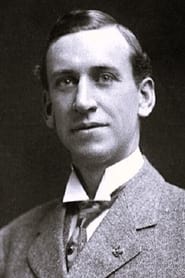
Charles Sellon
Actor
Born: August 24, 1870 in Boston, Massachusetts, USA Died: May 26, 1934 Active: 1915-1934
Films
8 films
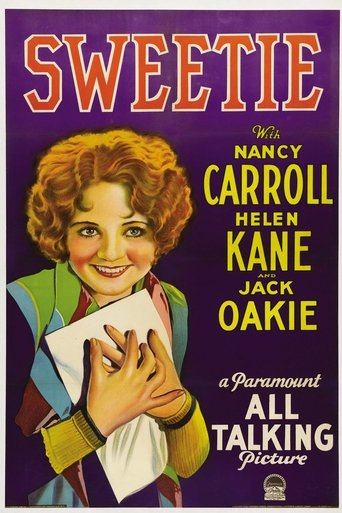
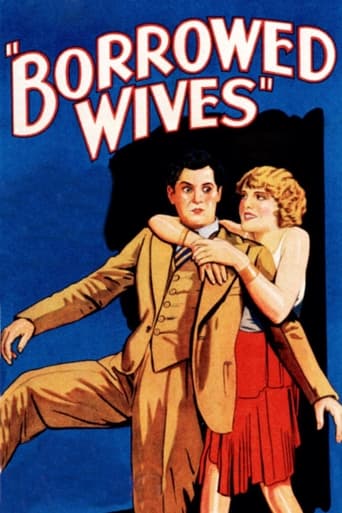
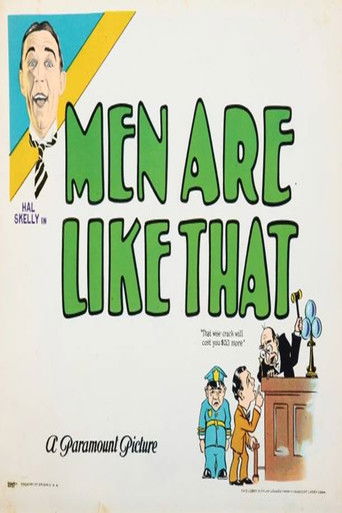
About Charles Sellon
American character actor who enjoyed a prolific career during the transition from silent films to early sound cinema. Born in 1870, he began his film career in the mid-1910s after establishing himself on the stage, bringing with him the gravitas and theatrical presence that characterized many actors of his generation. Sellon became a familiar face to audiences of the era, appearing in over 100 films between 1915 and his death in 1934. He specialized in portraying authority figures such as judges, doctors, and stern patriarchs, leveraging his tall, thin frame and imposing demeanor to create memorable characters. His ability to adapt his stage-trained acting style to the new demands of cinema allowed him to successfully navigate the challenging transition from silent films to talkies. Despite never achieving leading man status, Sellon became one of Hollywood's most reliable character actors, working consistently until his final year. His some of the most transformative years in cinema history, and his filmography provides a valuable record of early American cinema.
The Craft
On Screen
Stage-trained with credits in this catalog. He specialized in portraying stern, authoritative figures using his tall, thin frame and imposing presence to create memorable characters. His acting style was characterized by precise diction and a deliberate, measured delivery that served him well in the transition to sound films. Like many actors of his generation, he employed a more formal, less naturalistic approach than would become common in later decades, but this style was perfectly suited to the types of characters he typically portrayed.
Milestones
- Transitioned successfully from silent films to talkies
- Appeared in over 100 films during his career
- Worked with major studios including Paramount and Universal
- Established himself as a reliable character actor specializing in authority figures
- Appeared in early sound classics including 'The Bat Whispers' (1930)
Best Known For
Iconic Roles
Must-See Films
Working Relationships
Worked Often With
Studios
Why They Matter
Impact on Culture
Charles Sellon represented the crucial generation of actors who bridged the gap between theatrical performance and cinematic naturalism. As a character actor who successfully transitioned from silent films to talkies, he helped establish the template for supporting roles in early sound cinema. His consistent portrayals of authority figures reflected and reinforced social hierarchies of the era, while his professional adaptability demonstrated the possibilities for career longevity in rapidly changing times. Sellon's work, while not widely remembered today, contributed to the foundation of Hollywood's character acting tradition that would influence generations of performers to follow.
Lasting Legacy
Charles Sellon's legacy lies in his contribution to the early development of character acting in American cinema. His extensive filmography provides a valuable record of the transition period from silent films to talkies, showcasing how actors adapted their craft to new technological demands. While never a star, Sellon represented the backbone of Hollywood's studio system - the reliable character actors who brought depth and authenticity to supporting roles. His career shows the importance of these unsung heroes of classic cinema, whose work, while often without on-screen billing in popular memory, was essential to the success of countless films from Hollywood's formative years.
Who They Inspired
As a veteran character actor, Charles Sellon influenced subsequent generations of performers through his professional example rather than direct mentorship. His ability to maintain steady employment through the turbulent transition from silent to sound films demonstrated the value of versatility and reliability in Hollywood. His specialized portrayals of authority figures helped establish archetypes that would be refined and expanded upon by future character actors. Sellon's career path showed that success in Hollywood didn't always require stardom, but could be achieved through consistent craft and professional adaptability - a lesson that influenced many character actors who followed in his footsteps.
Off Screen
Private individual who kept his personal life largely out of the public eye, which was common for character with credits in this catalog. He was born in Boston, Massachusetts, and came from a theatrical background that likely influenced his career choice. Despite his prolific film career, Sellon maintained a relatively low profile in Hollywood society, focusing on his craft rather than celebrity. He continued working until shortly before his death in 1934, demonstrating his dedication to his profession. His passing at age 63 marked the end of a career that had spanned nearly two decades of early American cinema.
Did You Know?
- Appeared in over 100 films during his nearly 20-year career
- Successfully transitioned from silent films to talkies, a challenge that ended many careers
- Often played judges, doctors, and other authority figures due to his imposing appearance
- Was a stage actor before entering films, bringing theatrical training to his screen work
- Worked with some of the biggest stars of his era including Clara Bow and Ronald Colman
- Appeared in John Wayne's early starring vehicle 'The Big Trail' (1930)
- His final film appearances were in 1933, the year before his death
- Represented the typical character actor of early Hollywood - reliable but not famous
- His filmography spans the crucial transition years of American cinema
- Never received on-screen credit in many of his early film roles
Frequently Asked Questions
Who was Charles Sellon?
American character with credits in this catalog. He appeared in over 100 films, specializing in authority figures such as judges and stern patriarchs, and successfully transitioned from silent films to talkies.
What films is Charles Sellon best known for?
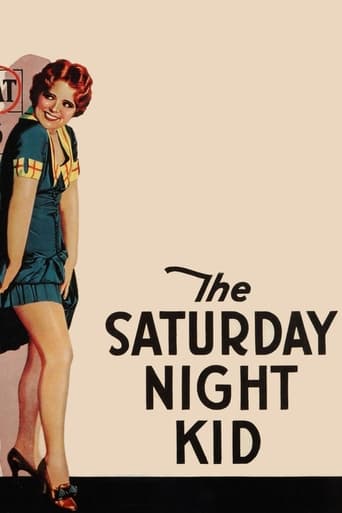
Titles linked here include Flowing Gold (1924), The Saturday Night Kid (1929).
When was Charles Sellon born and when did he die?
Born August 24, 1870; died May 26, 1934.
What awards did Charles Sellon win?
Charles Sellon did not receive any major awards or nominations during his career, which was common for character actors of his era who worked primarily in supporting roles.
What was Charles Sellon's acting style?
Sellon — stage-trained actor who brought theatrical gravitas to his film performances. He specialized in portraying stern, authoritative figures using his tall, thin frame and imposing presence, with a deliberate, measured delivery that served him well in sound films.