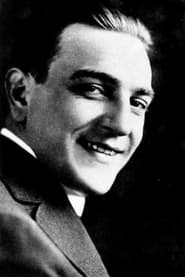
G. Raymond Nye
Actor
Born: April 13, 1889 in Providence, Rhode Island, USA Died: June 23, 1965 Active: 1920-1924 Birth Name: George Raymond Nye
Films
2 films
About G. Raymond Nye
George Raymond Nye, known professionally as G. Raymond Nye, was an American character actor who made his mark during the silent film era of the early 1920s. Born in Providence, Rhode Island, Nye began his film career in 1920 and quickly established himself as a reliable supporting actor, often cast in villainous or authoritative roles due to his imposing physical presence. Throughout his brief but prolific career, he appeared in more than 30 films, working alongside some of the biggest stars of the era including Douglas Fairbanks, Hoot Gibson, and William S. Hart. Nye was particularly known for his roles in adventure spectacles and westerns, where his tall, commanding stature made him ideal for playing guards, villains, and other imposing characters. His most significant roles included appearances in films like 'Sand' (1920), 'The Fighting Coward' (1924), and various supporting roles in major productions of the period. Despite his relatively short film career, which effectively ended by 1924 as the transition to sound films began, Nye's performances in these productions have ensured his place in silent film history. After retiring from acting, he lived a quiet life away from the spotlight until his death in Los Angeles in 1965.
The Craft
On Screen
Nye was known for his physical presence and commanding screen persona, often utilizing his tall, imposing stature to portray villains, guards, and authority figures. His acting style was typical of the silent era, emphasizing exaggerated gestures and facial expressions to convey emotion and intent. Though often in supporting roles, he brought a menacing presence to his characters that made him memorable despite limited screen time.
Milestones
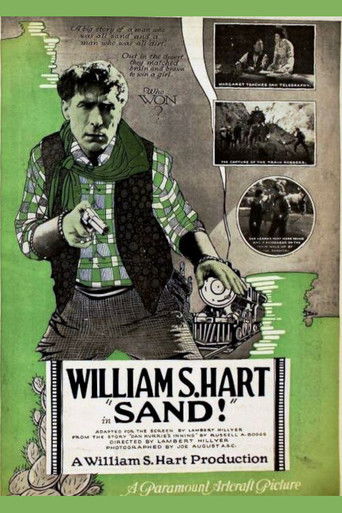
- Film debut in 'Sand' (1920) starring William S. Hart
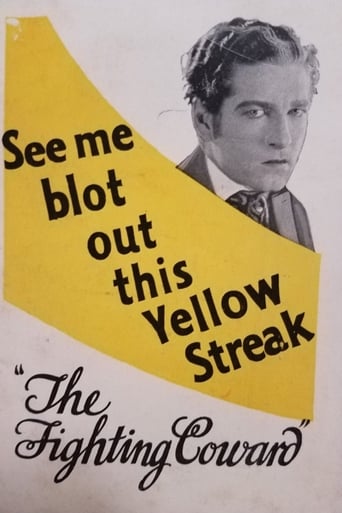
- Supporting role in 'The Fighting Coward' (1924) with Hoot Gibson
- Appearance in numerous western films during the early 1920s
- Established himself as a reliable character actor in supporting roles
- Worked with major studios during the peak of the silent era
Best Known For
Iconic Roles
Must-See Films
Working Relationships
Worked Often With
Studios
Why They Matter
Impact on Culture
Though not a major star, G. Raymond Nye contributed to some of the most significant films of the silent era, particularly in the western genre which was immensely popular during the early 1920s. His consistent presence in supporting roles across multiple productions made him a familiar face to movie audiences of the time. His work in western films helped establish visual archetypes for villainous characters that would influence the genre for decades to come.
Lasting Legacy
G. Raymond Nye's legacy lies primarily in his contributions to classic silent films that have endured as cultural touchstones. While his name is not widely recognized today, film historians and silent cinema enthusiasts appreciate his work in films that represent the golden age of western cinema. His performances survive as part of the historical record of American cinema's formative years, representing the type of character actor essential to bringing these productions to life.
Who They Inspired
As a supporting actor in major productions, Nye helped establish archetypal characterizations that would influence how similar roles were portrayed in subsequent films. His work in western films contributed to the development of these genres during their formative years in Hollywood. While he did not directly mentor other actors, his professional example demonstrated the importance of reliable character actors in supporting leading performers and enhancing the overall impact of major productions.
Off Screen
G. Raymond Nye maintained a relatively private personal life throughout his career and after his retirement from acting. He married actress Claire Du Brey in 1921, though the marriage ended in divorce. After leaving the film industry in 1924, he largely disappeared from public view and details about his later life remain scarce. He spent his final years in Los Angeles, where he passed away in 1965 at the age of 76.
Education
Limited information available about his educational background
Family
- Claire Du Brey (1921-1923)
Did You Know?
- Despite appearing in over 30 films, his career lasted only five years from 1920 to 1924
- He was notably tall for his era, standing approximately 6'2", which contributed to his casting in imposing roles
- His final film appearance was in 'The Fighting Coward' (1924) shortly before the transition to sound films
- He appeared in films with major western stars like William S. Hart and Hoot Gibson
- His marriage to actress Claire Du Brey was brief, lasting only about two years
- Many of his films are now considered lost, a common fate for many silent productions
- He was often without on-screen billing in his early film roles
- His physical type and acting style made him particularly suited to the exaggerated acting required in silent films
- After retiring from films, he made no known attempts to return to acting with the advent of sound
- He worked with director Lynn Reynolds on multiple occasions
Frequently Asked Questions
Who was G. Raymond Nye?
American character with credits in this catalog. He appeared in over 30 films, often playing villains or authority figures in western films and other productions alongside stars like William S. Hart and Hoot Gibson.
What films is G. Raymond Nye best known for?
Titles linked here include Sand (1920), The Fighting Coward (1924).
When was G. Raymond Nye born and when did he die?
Born April 13, 1889; died June 23, 1965.
What awards did G. Raymond Nye win?
There are no records of G. Raymond Nye receiving any major awards or nominations during his brief film career from 1920-1924. Character actors in supporting roles during the silent era rarely received formal recognition.
What was G. Raymond Nye's acting style?
Nye's acting style was typical of the silent era, emphasizing physical presence, exaggerated gestures, and facial expressions to convey emotion. He was known for his imposing stature and often played villains or authority figures in western films and adventure productions.
Why did G. Raymond Nye's career end so quickly?
Nye's film career effectively ended around 1924, just as the industry was transitioning from silent films to talkies. While the exact reason for his departure from acting is unclear, it was common for many silent film actors to struggle with the transition to sound or to leave the industry during this period of technological change.
Was G. Raymond Nye married?
Yes, G. Raymond Nye was married to actress Claire Du Brey from 1921 to 1923. The marriage ended in divorce, and there are no records of him remarrying.