Ethel Grandin
Actor
Born: March 3, 1894 in New York City, New York, USA Died: September 28, 1988 Active: 1911-1923
Films
2 films

About Ethel Grandin
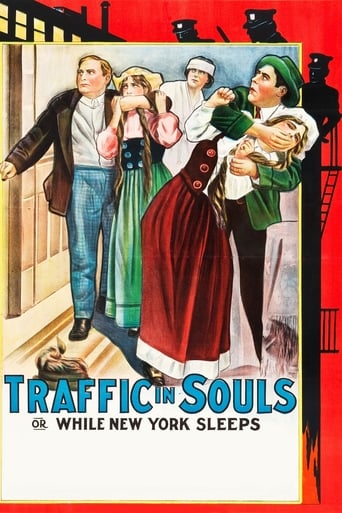
American actress of the silent film era who rose to prominence during the early days of Hollywood cinema. Born in New York City in 1894, she began her film career in 1911 with the Thanhouser Company, one of America's first motion picture studios. Grandin quickly became a leading lady, starring in numerous short films and features throughout the 1910s. Her most significant role came in 1913's 'Traffic in Souls,' a feature film that exposed the issue of white slavery and became one of the first major box office hits in American cinema. She worked steadily through the silent era, appearing in over 100 films before her career began to wane with the advent of sound. Grandin retired from acting in the early 1920s after marrying director Ray C. Smallwood, with whom she had occasionally collaborated. She lived a long life, passing away in 1988 at the age of 94, having witnessed the entire transformation of cinema from its silent beginnings to the modern era.
The Craft
On Screen
Grandin embodied the theatrical, expressive style typical of silent era performers, using exaggerated gestures and facial expressions to convey emotion without dialogue. Her performances were characterized by a natural grace and emotional depth that helped elevate her above many contemporaries. In dramatic roles, she demonstrated particular skill in portraying vulnerable yet resilient female characters, which made her especially effective in social issue films like 'Traffic in Souls.' Her screen presence combined Victorian-era sensibilities with emerging modern sensibilities, making her relatable to audiences of the transitional period.
Milestones
- Breakthrough with Thanhouser Company (1911)
- Starred in controversial hit 'Traffic in Souls' (1913)
- Leading lady in over 100 silent films
- Transitioned from shorts to feature films
- Worked with directors of early cinema
Best Known For
Iconic Roles
Must-See Films
Accolades
Special Recognition
- Pioneer of American Silent Cinema
- Contributor to early feature film development
Working Relationships
Worked Often With
Studios
Why They Matter
Impact on Culture
Ethel Grandin played a significant role in the development of American cinema during its crucial formative years. Her appearance in 'Traffic in Souls' was particularly impactful, as the film was one of the first to demonstrate that feature-length films could be both commercially successful and socially relevant. The film's controversial subject matter and Grandin's compelling performance helped establish cinema as a medium capable of addressing serious social issues. As one of the early leading ladies of American film, she helped set standards for screen performance and contributed to the development of the star system that would dominate Hollywood for decades.
Lasting Legacy
Ethel Grandin's legacy lies in her contribution to the foundational years of American cinema, particularly her role in establishing feature films as a viable and important art form. Her work in 'Traffic in Souls' represents a milestone in film history, demonstrating the medium's potential for social commentary and commercial success. As a survivor of the silent era who lived to see the digital revolution in film, she embodied the entire history of cinema. While not as remembered as some of her contemporaries who successfully transitioned to sound, her contributions to early film, particularly in helping establish the feature film format, cement her place in cinema history.
Who They Inspired
Grandin influenced subsequent generations of actresses through her work in establishing the template for the leading lady in American cinema. Her ability to handle both dramatic and social issue material helped expand the range of roles available to women in early film. The success of films like 'Traffic in Souls' opened doors for more ambitious, feature-length productions that addressed serious themes, creating opportunities for more substantial acting roles. Her career trajectory from short films to features also helped establish the career path that many actors would follow in the developing Hollywood system.
Off Screen
Ethel Grandin married director Ray C. Smallwood in 1915, who was also an actor before transitioning to directing. Their marriage lasted until Smallwood's death in 1964. The couple occasionally collaborated professionally, with Smallwood directing Grandin in several productions. After retiring from films, Grandin largely withdrew from public life, focusing on her marriage and personal interests. She lived through the entire evolution of cinema from its silent beginnings to the digital age, making her one of the last surviving links to the very first generation of film actors. She spent her later years in California, where she passed away at the age of 94.
Education
Limited information available about formal education; likely received training appropriate for young women of her era and may have had dramatic training for her acting career
Family
- Ray C. Smallwood (1915-1964)
Did You Know?
- Was one of the first actresses to star in a full-length feature film in America
- 'Traffic in Souls' was so controversial it was nearly banned in several cities
- The film was secretly financed by the producers of 'Traffic in Souls' to avoid censorship
- Made over 100 films in a career spanning just over a decade
- Was married to her director, Ray C. Smallwood, for nearly 50 years until his death
- Lived to be 94, making her one of the longest-lived silent film stars
- Began her career at age 17 with the Thanhouser Company
- Retired from films shortly after the death of the silent era
- Her film 'Traffic in Souls' was one of the first to deal with the topic of human trafficking
- Worked during the transitional period when films moved from shorts to features
In Their Own Words
On early filmmaking: 'We were pioneers in every sense of the word. We were making up the rules as we went along.'
Regarding 'Traffic in Souls': 'It was shocking for its time, but it was important. People needed to know about these things.'
Frequently Asked Questions
Who was Ethel Grandin?
American actress who worked during the silent film era from 1911 to 1923. She was a performer who appeared in over 100 films and is best known for her starring role in the controversial 1913 feature 'Traffic in Souls,' one of the first American feature films to achieve major commercial success.
What films is Ethel Grandin best known for?
Titles linked here include Traffic in Souls (1913), The Invaders (1912).
When was Ethel Grandin born and when did she die?
Born March 3, 1894; died September 28, 1988.
What awards did Ethel Grandin win?
Ethel Grandin did not receive major formal awards during her career, as the award system for films was not established during the peak of her career. However, she is recognized today as an important pioneer of American cinema and the silent film era.
What was Ethel Grandin's acting style?
Grandin employed the theatrical, expressive style typical of silent era performers, using exaggerated gestures and facial expressions to convey emotion. She was particularly effective in dramatic roles, portraying vulnerable yet resilient female characters, which made her especially suited for social issue films.
Was Ethel Grandin married?
Yes, Ethel Grandin married director Ray C. Smallwood in 1915. Their marriage lasted nearly 50 years until Smallwood's death in 1964. The couple occasionally collaborated professionally, with Smallwood directing Grandin in several films.
Why is 'Traffic in Souls' historically significant?
'Traffic in Souls' is historically significant as one of the first American feature films to achieve major commercial success and tackle controversial social issues. The film's box office performance helped establish the viability of feature-length films in American cinema and demonstrated that movies could address serious social topics while remaining commercially successful.