George Loane Tucker
Director
Born: June 12, 1872 in Chicago, Illinois, United States Died: June 20, 1921 Active: 1911-1921
Films
1 film
About George Loane Tucker
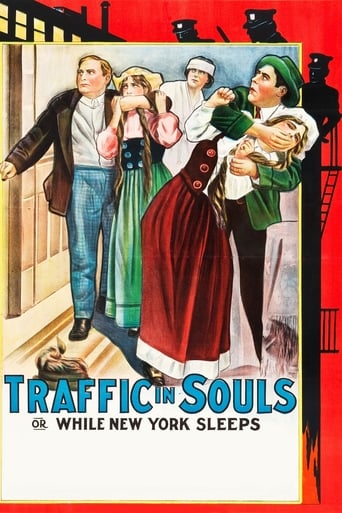
Made significant contributions to early silent cinema during the transitional period from one-reel shorts to feature-length films. Born in 1872 in Chicago, Illinois, Tucker began his career in the entertainment industry as a stage actor before transitioning to filmmaking in the early 1910s. His most notable achievement was directing and co-writing 'Traffic in Souls' (1913), a exploitation film that shocked audiences with its depiction of white slavery and became profitable films of its era. Tucker's innovative approach to controversial subject matter and his ability to create suspenseful narratives helped establish new possibilities for dramatic storytelling in American cinema. Despite his success with 'Traffic in Souls,' Tucker's career was relatively brief, and he directed only a handful of films before his untimely death in 1921 at age 48. His work, however, on the development of American cinema, particularly in the exploitation and social problem film genres. Tucker's films demonstrated the commercial viability of controversial subject matter and paved the way for more daring cinematic content in subsequent decades.
The Craft
Behind the Camera
George Loane Tucker's directing style was characterized by its bold approach to controversial social issues, creating suspenseful melodramas that pushed the boundaries of acceptable content in early cinema. He employed innovative narrative techniques that combined sensationalism with social commentary, using dramatic lighting and staging to enhance the emotional impact of his stories. Tucker was particularly skilled at creating tension through rapid editing and cross-cutting between parallel storylines, techniques that were relatively advanced for the period. His direction often featured strong moral undertones while still delivering the sensational content that attracted audiences, striking a balance between exploitation and moral instruction that defined his unique cinematic voice.
Milestones
- Directed Traffic in Souls (1913),
- Pioneered exploitation film genre with controversial social themes
- Co-founded the Universal Film Manufacturing Company
- Wrote and directed The Miracle (1912)
- Helped establish feature-length films as commercially viable in American cinema
Best Known For
Must-See Films
Accolades
Special Recognition
- Traffic in Souls selected for preservation in the National Film Registry (2006)
- Recognized as a director in early American cinema history
Working Relationships
Worked Often With
Studios
Why They Matter
Impact on Culture
George Loane Tucker's most significant cultural impact came through 'Traffic in Souls,' which not only shocked audiences with its depiction of white slavery but also demonstrated the commercial potential of feature-length films in America. The film's success proved that controversial social issues could be profitable subject matter for cinema, paving the way for future exploitation films and more daring content in American movies. Tucker's work helped establish the template for combining sensationalism with moral messaging, a formula that would be used throughout the history of American cinema. His films also contributed to the growing public debate about film censorship and the need for industry self-regulation, which would eventually lead to the establishment of the Hays Code in the 1930s.
Lasting Legacy
George Loane Tucker's legacy lies primarily in his work in the exploitation film genre and his role in establishing feature-length films as commercially viable in American cinema. Though his career was relatively brief, 'Traffic in Souls' remains. Tucker's innovative approach to storytelling and his willingness to tackle taboo subjects helped expand the boundaries of what was considered acceptable content in American cinema. His work is now recognized by film historians as an important precursor to later social problem films and exploitation cinema, influencing generations of filmmakers who would use cinema to address controversial social issues.
Who They Inspired
Tucker influenced subsequent generations of filmmakers working in the exploitation and social problem film genres, demonstrating that controversial subject matter could be both artistically interesting and commercially successful. His techniques for creating suspense and handling taboo subjects became part of the cinematic vocabulary that would be developed by later directors such as Tod Browning and Dwain Esper. The commercial success of 'Traffic in Souls' also influenced studio executives to greenlight more ambitious and controversial projects, helping to establish the American film industry's willingness to take creative risks. Tucker's work can be seen as an early example of cinema's power to address social issues while entertaining audiences, a tradition that continues in contemporary filmmaking.
Off Screen
George Loane Tucker married actress Ethel Clayton in 1912, and their marriage lasted until his death in 1921. Clayton was a prominent silent film actress who appeared in several of Tucker's productions, including 'Traffic in Souls.' The couple was well-regarded in Hollywood circles during the 1910s, known for their professional collaboration and personal partnership. Tucker's health began to decline in the early 1920s, and he passed away relatively young at 48 years old, leaving behind a legacy as an innovative but underappreciated pioneer of early American cinema. His death cut short what might have been a more extensive and influential career in the rapidly evolving film industry.
Education
Limited formal education details available, though he received training in theater and dramatic arts before entering the film industry
Family
- Ethel Clayton (1912-1921)
Did You Know?
- Traffic in Souls was reportedly made for just $5,700 but grossed over $450,000, making it
- The film's subject matter was so controversial that it was initially banned in several cities
- Tucker co-founded Universal Film Manufacturing Company but left before it became a major studio
- Traffic in Souls was one of the first American feature films to run over an hour in length
- The film's success helped establish the commercial viability of feature-length films in America
- Tucker was originally a stage actor before transitioning to film direction
- Traffic in Souls was selected for preservation in the National Film Registry in 2006 for its cultural significance
- The film was shot in just two weeks, an incredibly short time even for that era
- Tucker's wife Ethel Clayton played a supporting role in Traffic in Souls
- The film's title was changed from 'The White Slave' to 'Traffic in Souls' to avoid censorship issues
In Their Own Words
The motion picture is the greatest educational and moral force in the world today
I believe in showing life as it is, not as we wish it were
Controversy is the mother of public interest
A film must either educate or entertain, preferably both
The camera tells the truth when words fail
Frequently Asked Questions
Who was George Loane Tucker?
American on YTB.my. He was a pioneer of the exploitation film genre and helped establish feature-length films as commercially viable in American cinema.
What films is George Loane Tucker best known for?
Titles linked here include Traffic in Souls (1913), The Miracle (1912).
When was George Loane Tucker born and when did he die?
Born June 12, 1872; died June 20, 1921.
What was significant about Traffic in Souls?
'Traffic in Souls' was significant for being one of the first successful feature-length American films, addressing the controversial topic of white slavery. Made for just $5,700, it grossed over $450,000 and proved that controversial subject matter could be commercially successful, influencing future exploitation films.
What was George Loane Tucker's directing style?
Tucker's directing style was characterized by bold storytelling, innovative use of suspense, and willingness to tackle controversial social issues. He employed advanced editing techniques for the time, including cross-cutting and rapid pacing, while balancing sensational content with moral messaging.
Was George Loane Tucker married?
Yes, Tucker married silent film actress Ethel Clayton in 1912, and they remained married until his death in 1921. Clayton appeared in several of his films, including 'Traffic in Souls,' and their professional collaboration was well-known in Hollywood circles.