Films
1 film
About Millie Liston
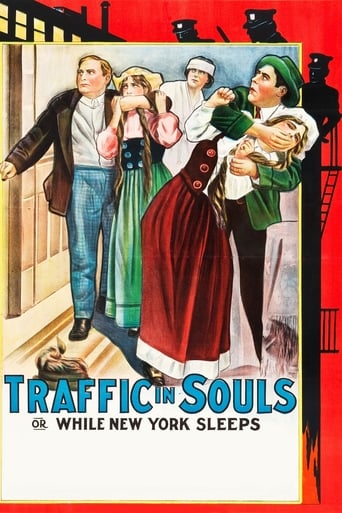
Millie Liston is credited on a single production — Traffic in Souls (1913). 'Traffic in Souls' was one of the first full-length American films and was notable for its controversial subject matter dealing with white slavery, making it a significant cultural touchstone of its time. Liston was part of the ensemble cast that helped bring this socially conscious drama to life during an era when actors were often uncredited and their contributions frequently lost to history. Her appearance in this important early feature places her among the pioneers of American cinema, though like many actors of this period, her individual story has been largely obscured by the passage of time. The film itself was a commercial success and helped establish the viability of feature films in the American market, though most of its cast members, including Liston, did not achieve lasting fame.
The Craft
Milestones
- Appeared in 'Traffic in Souls' (1913), one of America's first feature-length films
- Participated in early American cinema during its formative years
- Contributed to a film that addressed controversial social issues for its time
Best Known For
Must-See Films
Working Relationships
Studios
Why They Matter
Impact on Culture
Millie Liston's contribution to cinema, while brief, is part of the broader foundation of American film history. Her participation in 'Traffic in Souls' places her among the actors who helped establish feature-length filmmaking in America during a crucial transitional period. The film itself was groundbreaking for addressing social issues and proving that longer-form narratives could be commercially successful, paving the way for the feature film industry that would follow. Although individual actors like Liston from this era rarely received recognition, their collective work was essential in developing the language of cinema and demonstrating the medium's potential for both entertainment and social commentary.
Lasting Legacy
Millie Liston represents the countless anonymous pioneers of early American cinema whose contributions, while not individually celebrated, were fundamental to the development of the film industry. Her appearance in 'Traffic in Souls' ensures her place in film history as part of a production that helped establish feature filmmaking in America. While her name may not be widely recognized today, she is part of the foundation upon which the Golden Age of Hollywood was built, representing the transition from stage traditions to the new art form of cinema and the early days when actors were still establishing the techniques and approaches that would define film performance for decades to come.
Who They Inspired
As an actor from the earliest days of American feature films, Millie Liston's direct influence on subsequent performers is difficult to trace, which is typical for actors of her era who were not major stars. However, her work in 'Traffic in Souls' contributed to the development of acting techniques for the new medium of feature-length cinema, helping establish how actors could sustain performances across longer narratives. The film's success demonstrated that feature films could tackle serious social themes, influencing the types of roles and performances that would become common in American cinema, though individual contributions like Liston's were often subsumed into the collective effort of the production.
Off Screen
Very little is documented about Millie Liston's personal life, which was typical for many actors of the early silent era who were not major stars. Like many performers from this period, her biographical details have been largely lost to history, reflecting the limited record-keeping and celebrity documentation practices of early American cinema.
Did You Know?
- 'Traffic in Souls' was initially titled 'The White Slave' but was changed to avoid censorship issues
- The film was reportedly shot in just three weeks, a remarkably short time for a feature-length production in 1913
- 'Traffic in Souls' was a huge commercial success, earning over $450,000 on a $5,700 budget
- The film was so controversial that it was banned in some cities despite its commercial success
- Universal Film Manufacturing Company used the profits from 'Traffic in Souls' to expand their studio facilities
- The film's success helped establish Universal as a major player in the early film industry
- Many cast members from 'Traffic in Souls' were stage actors making the transition to the new medium of film
- The film was one of the first to use location shooting in New York City to add realism to its urban setting
- Despite its success, most of the cast members, including Millie Liston, did not achieve lasting fame in the emerging film industry
Frequently Asked Questions
Who was Millie Liston?
Screen credits include the 1913 feature film 'Traffic in Souls.' Her career was brief, spanning only 1913, but she participated in one of the first feature-length American films, which was groundbreaking for its time.
What films is Millie Liston best known for?
Titles linked here include Traffic in Souls (1913).
When was Millie Liston born and when did she die?
Unfortunately, specific birth and death dates for Millie Liston are not documented in historical records, which is common for many actors from the earliest days of American cinema who were not major stars.
What awards did Millie Liston win?
Millie Liston did not receive any formal awards or recognition during her brief career in 1913. The Academy Awards were not established until 1929, well after her time in the film industry.
What was the significance of 'Traffic in Souls'?
'Traffic in Souls' was historically significant as one of America's first feature-length films and was notable for tackling the controversial subject of white slavery. Its commercial success helped establish the viability of feature films in the American market and influenced the development of the film industry.
Why is so little known about Millie Liston?
The limited information about Millie Liston is typical of many actors from the very early silent era who were not major stars. Early cinema often lacked comprehensive record-keeping, and many performers from this period, especially those with brief careers, have been largely lost to history.