
Matt Moore
Actor
Born: January 8, 1888 in County Meath, Ireland Died: January 26, 1960 Active: 1912-1958 (primarily 1913-1932) Birth Name: Matthew Moore
Films
12 films
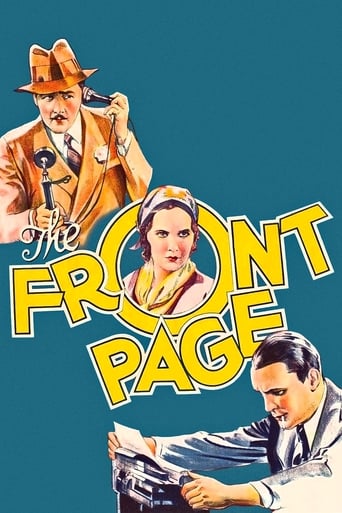
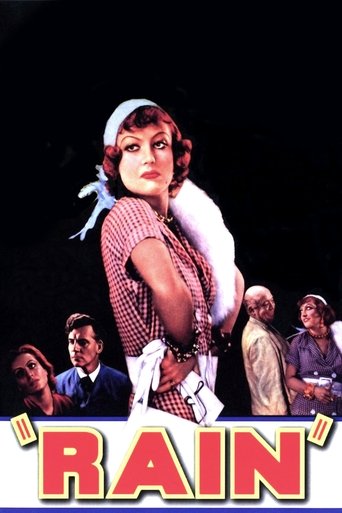
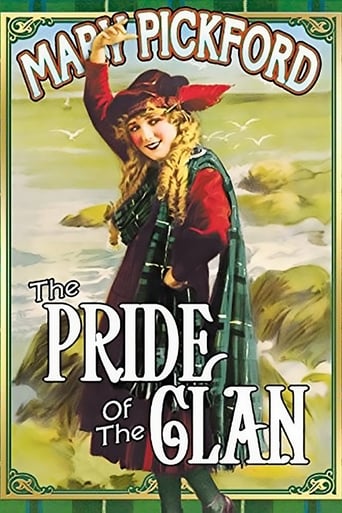
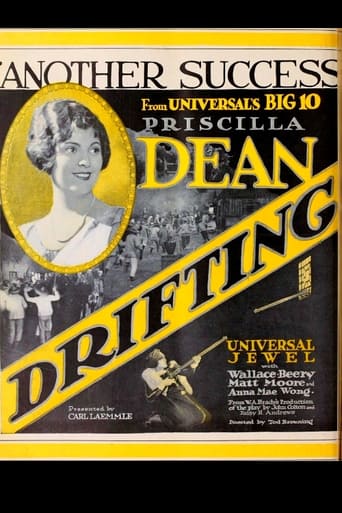
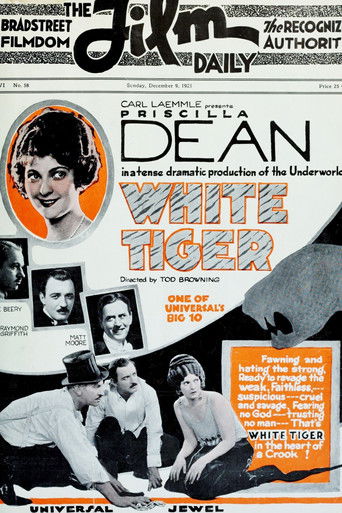
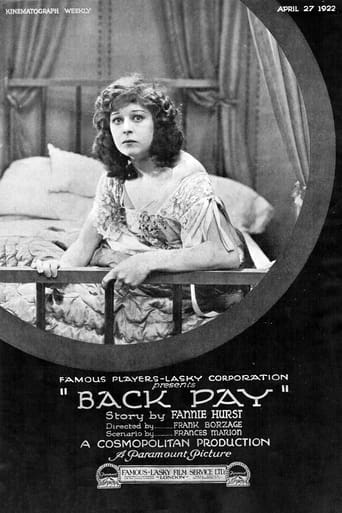

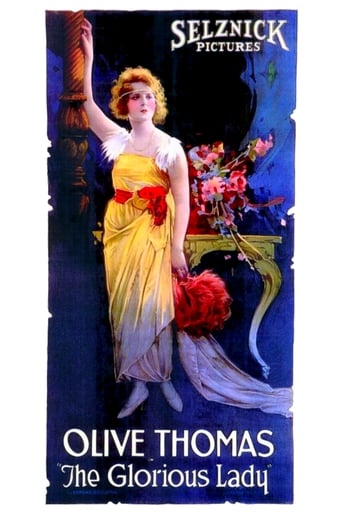
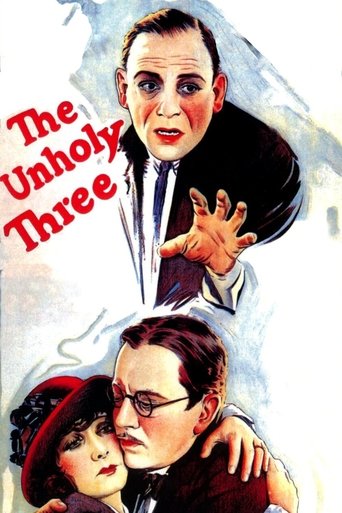
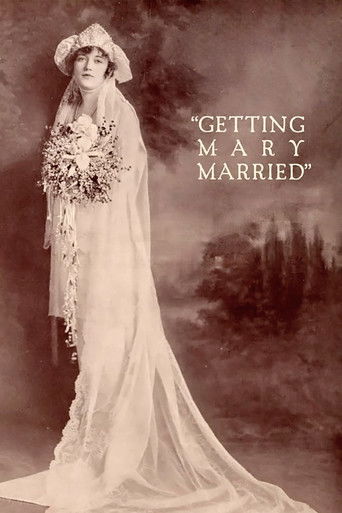
About Matt Moore
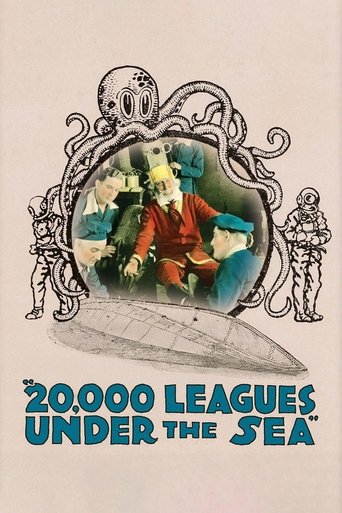
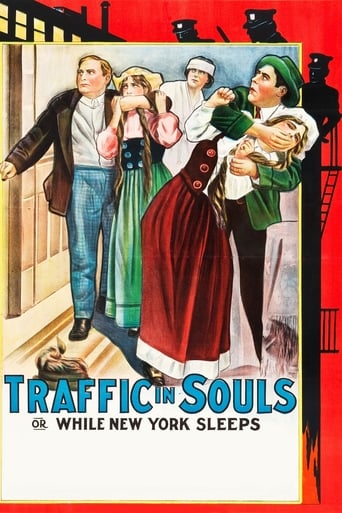
Matt Moore was born Matthew Moore on January 8, 1888, in County Meath, Ireland, and immigrated to the United States with his family as a child. He began his film career in 1912 and quickly became a prolific actor during the silent era, appearing in over 200 films throughout his career. Moore gained early recognition starring in 'Traffic in Souls' (1913), one of the first American feature-length films, and appeared in the 1916 adaptation of '20,000 Leagues Under the Sea.' He frequently collaborated with major stars of the era including Mary Pickford, with whom he worked on several productions. Moore successfully made the transition to sound films in the late 1920s, though his roles gradually shifted from leading man to character actor. He continued working in Hollywood through the 1930s and 1940s, often in uncredited parts, before retiring from acting. Moore spent his final years in Hollywood, where he passed away on January 26, 1960, leaving behind a as one of cinema's early workhorses.
The Craft
On Screen
Matt Moore was known for his naturalistic acting style that evolved with the changing times of cinema. In the silent era, he employed expressive yet restrained gestures and facial expressions, avoiding the exaggerated melodrama common among many of his contemporaries. His performances were characterized by a subtle emotional depth that translated well to the sound era, where his clear diction and measured delivery served him well. Moore had particular skill in portraying earnest, working-class characters with authenticity and relatability. As he transitioned to character roles in the 1930s and 1940s, he developed a reputation for reliability and professionalism, bringing gravitas to even small supporting parts.
Milestones
- Starred in 'Traffic in Souls' (1913), one of the first American feature films
- Appeared in the first film adaptation of '20,000 Leagues Under the Sea' (1916)
- Frequent collaborator with Mary Pickford in the 1910s
- Successfully transitioned from silent films to talkies
- Appeared in over 200 films during his 40+ year career
- Worked with major studios including Universal, Fox, and Paramount
Best Known For
Iconic Roles
Must-See Films
Accolades
Special Recognition
- Prolific contributor to early American cinema with over 200 film appearances
Working Relationships
Worked Often With
Studios
Why They Matter
Impact on Culture
Matt Moore's career spans a crucial period in cinema history, from the early days of feature films through the transition to sound. His work in 'Traffic in Souls' (1913) helped establish the feature-length film as a viable commercial format in America. As one of the many reliable character actors who formed the backbone of Hollywood's studio system, Moore contributed to hundreds of films that defined American popular culture in the first half of the 20th century. His successful transition from silent leading man to sound character actor demonstrated the adaptability required to survive in the rapidly changing film industry. Moore represents the journey of countless actors who were essential to cinema's development but whose names are not widely remembered today.
Lasting Legacy
Matt Moore's legacy lies in his remarkable longevity and versatility during cinema's formative decades. With over 200 film appearances, he exemplifies the working actor who helped build the Hollywood studio system. His performances in early landmarks like 'Traffic in Souls' and '20,000 Leagues Under the Sea' ensure his place in film history, even if his name is not as recognized as some of his contemporaries. Moore's career trajectory from leading man to character actor mirrors the evolution of the film industry itself. Today, film historians and silent cinema enthusiasts recognize him as an important contributor to early American cinema, whose work deserves preservation and study.
Who They Inspired
While not a major star who influenced acting techniques broadly, Matt Moore influenced younger actors through his example of professionalism and adaptability. His successful navigation of the silent-to-sound transition provided a model for other actors facing similar challenges. Moore's naturalistic style, particularly his avoidance of melodramatic excess in silent films, contributed to the evolution toward more realistic screen acting. His extensive filmography serves as a valuable resource for understanding the development of American cinema from its early years through the classical Hollywood period.
Off Screen
Matt Moore came from a family of entertainers, with his brothers Tom Moore and Owen Moore also becoming successful actors in Hollywood. He married actress Kathleen Clifford in 1915, though the marriage ended in divorce. Later, he married actress Ethel Shannon in 1925, but this marriage also ended in divorce. Moore was known for his professionalism and work ethic in an industry often characterized by instability. Despite his extensive filmography, he maintained a relatively private personal life away from the Hollywood spotlight. His Irish heritage remained important to him throughout his life, and he was part of the influential Irish-American community in early Hollywood.
Education
Limited formal education; trained in acting through practical experience in early film productions
Family
- Kathleen Clifford (1915-1920)
- Ethel Shannon (1925-1931)
Did You Know?
- Was one of three acting brothers, along with Tom Moore and Owen Moore, who all had successful Hollywood careers
- Appeared in the first feature-length film made in America, 'Traffic in Souls' (1913)
- Worked frequently with Mary Pickford, one of the biggest stars of the silent era
- His brother Owen Moore was married to Mary Pickford from 1911-1920
- Made the successful transition from silent films to talkies when many of his contemporaries did not
- Often played the romantic lead in his early career before transitioning to character roles
- Appeared in both dramatic and comedic films, showcasing his versatility
- Worked with directors including Maurice Tourneur and Herbert Brenon
- His final film appearances were in uncredited roles in the early 1950s
- Was part of the large Irish-American community that significantly influenced early Hollywood
In Their Own Words
On the transition to sound: 'The pictures talk now, but the work is the same. You still have to make them believe.'
On his extensive filmography: 'I've forgotten more pictures than most actors ever make.'
On working in early cinema: 'We were making it up as we went along, but we knew we were part of something important.'
Frequently Asked Questions
Who was Matt Moore?
Screen credits include over 200 films during the silent era and early sound period. He was active from 1912 to 1958 and was known for his versatility, transitioning from leading roles in silent films to character parts in talkies.
What films is Matt Moore best known for?
Titles linked here include Traffic in Souls (1913), 20,000 Leagues Under the Sea (1916).
When was Matt Moore born and when did he die?
Born January 8, 1888; died January 26, 1960.
What awards did Matt Moore win?
Matt Moore did not receive major formal awards during his career, though he was recognized for his contributions to early cinema through his extensive filmography spanning over 200 films across four decades.
What was Matt Moore's acting style?
Matt Moore was known for his naturalistic acting style that avoided the exaggerated melodrama common in silent films. He employed subtle expressions and gestures that translated well to sound films, where his clear diction and measured delivery served him effectively.