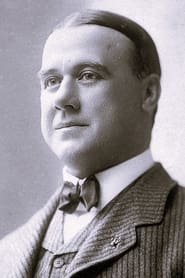
Howard Crampton
Actor
Born: 1865 in Philadelphia, Pennsylvania, USA Died: 1922 Active: 1913-1916
Films
4 films

About Howard Crampton
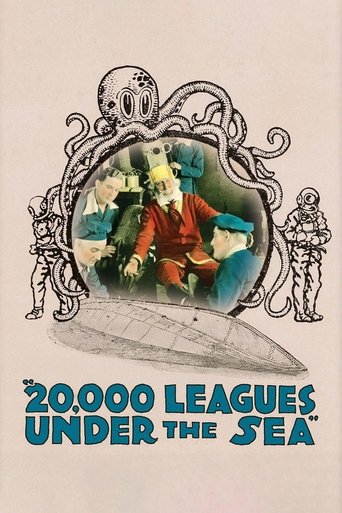
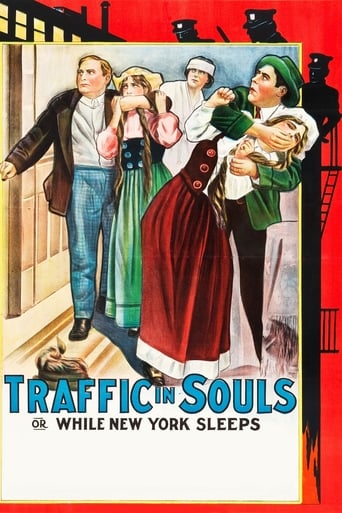
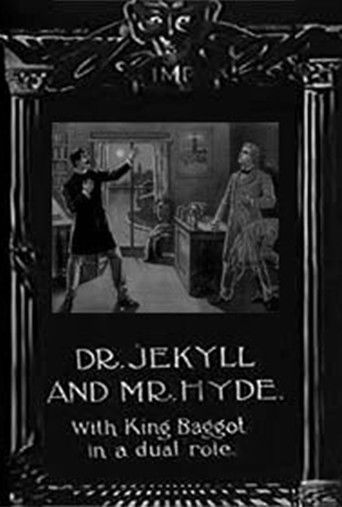
Made significant contributions to early silent cinema during its formative years. Born in Philadelphia in 1865, Crampton began his acting career on the legitimate stage before transitioning to motion pictures in the early 1910s. He quickly established himself as a reliable supporting actor, appearing in numerous films for various production companies during the silent era's rapid expansion. Crampton's most notable work came in 1913, when he appeared in two films: 'Traffic in Souls,' considered one of the first American feature-length films and an early exposé on white slavery, and 'Dr. Jekyll and Mr. Hyde' starring James Cruze. His career continued through 1916 with memorable roles in '20,000 Leagues Under the Sea,' one of the earliest feature adaptations of Jules Verne's classic novel. Though his film career was relatively brief, spanning only four years, Crampton's performances helped shape the emerging language of cinema during its transition from short subjects to feature-length storytelling. He passed away in 1922 in New York City, leaving behind a legacy as one of the character actors who helped establish the foundation of American cinema.
The Craft
On Screen
Crampton embodied the theatrical acting style common in early silent films, characterized by exaggerated gestures and facial expressions necessary to convey emotion without dialogue. As a character actor, he specialized in authoritative or paternal roles, often playing figures of authority such as doctors, officials, or concerned citizens. His stage background provided him with the dramatic presence needed to command attention in the medium's early days when acting techniques were still being adapted from the theater to the screen.
Milestones
- Appeared in 'Traffic in Souls' (1913), one of America's first feature-length films
- Supporting role in 'Dr. Jekyll and Mr. Hyde' (1913)
- Featured in '20,000 Leagues Under the Sea' (1916)
- Transitioned from stage acting to silent films during cinema's early years
- Worked during the pivotal period when American cinema was establishing itself as a serious art form
Best Known For
Iconic Roles
Must-See Films
Working Relationships
Worked Often With
Studios
Why They Matter
Impact on Culture
Howard Crampton's contribution to early American cinema lies in his participation in several groundbreaking films that helped establish feature-length motion pictures as a viable commercial and artistic medium. 'Traffic in Souls,' in which he appeared, was revolutionary for its time, addressing controversial social issues and proving that audiences would sit through feature-length narratives. His work in 'Dr. Jekyll and Mr. Hyde' helped popularize literary adaptations on screen, while '20,000 Leagues Under the Sea' represented early attempts at bringing complex fantasy and science fiction stories to life. Though not a star, Crampton's consistent presence in these films made him part of the foundation upon which Hollywood would build its golden age.
Lasting Legacy
Howard Crampton represents the generation of stage actors who bridged the gap between 19th-century theater and 20th-century cinema. His career, though brief, coincided with some of the most important developments in early American film history. The films he appeared in are now studied as significant milestones in cinema's evolution, from the emergence of feature-length storytelling to the establishment of genre conventions. While his name may not be widely recognized today, his work survives as part of the historical record of American cinema's formative years, preserved in films that continue to be studied by film historians and enthusiasts.
Who They Inspired
As a character actor during cinema's earliest years, Crampton helped establish the importance of supporting performances in film narratives. His theatrical background contributed to the development of acting techniques specifically suited for the silent medium. While he did not directly mentor future stars, his work in films demonstrated the possibilities of character-driven storytelling in cinema, influencing how subsequent actors would approach supporting roles in feature films.
Off Screen
Howard Crampton was born into a post-Civil War America and came of age during the Industrial Revolution. Before entering films, he established himself as a stage actor, which was the more prestigious acting medium of the time. His transition to motion pictures coincided with the rapid growth of the American film industry, particularly in New York and New Jersey where many early films were produced. Crampton's decision to enter films represented the shifting cultural acceptance of cinema as a legitimate artistic medium.
Did You Know?
- Appeared in 'Traffic in Souls' (1913), which was controversial for its depiction of white slavery and was one of the highest-grossing films of 1913
- His film active years covered only four years but included participation in several historically significant films
- Worked during the transition period when American film production was shifting from New York/New Jersey to Hollywood
- Was part of the generation of actors who had to adapt their stage acting techniques for the new medium of film
- His role in '20,000 Leagues Under the Sea' (1916) placed him in one of the earliest major science fiction productions
- The 1913 'Dr. Jekyll and Mr. Hyde' he appeared in preceded the more famous 1920 version starring John Barrymore
- Died relatively young at age 57, just as the film industry was entering its golden age
- His career coincided with the establishment of the star system in American cinema
Frequently Asked Questions
Who was Howard Crampton?
American character with credits in this catalog.
What films is Howard Crampton best known for?
Titles linked here include Traffic in Souls (1913), Dr. Jekyll and Mr. Hyde (1913).
When was Howard Crampton born and when did he die?
Born 1865; died 1922.
What awards did Howard Crampton win?
Howard Crampton did not receive any major awards during his career, as he worked during the very early years of American cinema before award systems like the Academy Awards were established.
What was Howard Crampton's acting style?
Crampton employed the theatrical acting style typical of early silent films, with exaggerated gestures and expressions needed to convey emotion without dialogue, often playing authoritative or paternal character roles.
Why is Howard Crampton significant in film history?
Crampton is significant because he participated in several groundbreaking films that helped establish feature-length cinema in America, including 'Traffic in Souls,' which proved commercial viability of feature films and addressed controversial social issues.
How long was Howard Crampton's film career?
Howard Crampton's film career was relatively brief, spanning only four years from 1913 to 1916, during which he appeared in several important early American films.