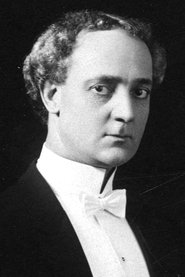
Lucius Henderson
Director
Born: June 8, 1861 in New York City, New York, USA Died: December 19, 1947 Active: 1912-1912
Films
2 films
About Lucius Henderson
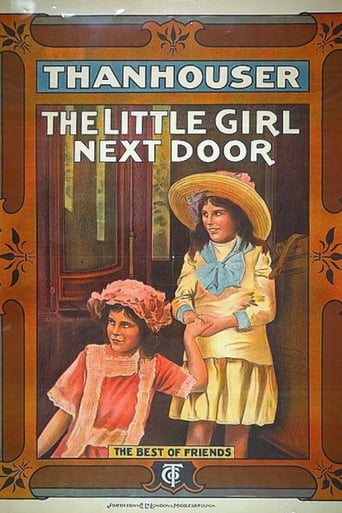
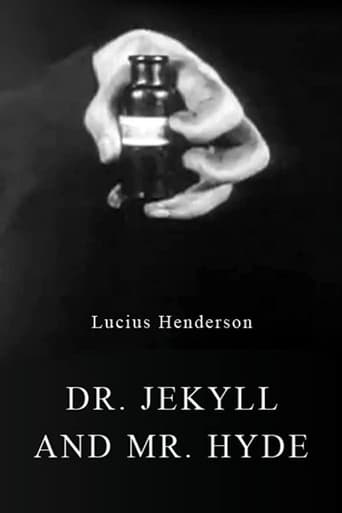
American film director active during the silent era, known primarily for his work in 1912. He emerged American cinema when the industry was transitioning from short films to longer narratives. Henderson directed at least two significant films in 1912: 'The Little Girl Next Door' and an early adaptation of Robert Louis Stevenson's 'Dr. Jekyll and Mr. Hyde.' His version of 'Dr. Jekyll and Mr. Hyde' was among the first cinematic interpretations of this classic tale of duality, preceding the more famous 1920 John Barrymore version. While his directorial career appears to have been brief, his work represents the creative experimentation happening in early American cinema. Henderson was part of the first generation of American filmmakers who helped establish narrative film techniques that would influence the industry for decades. His films were produced during the transition period when cinema was evolving from novelty entertainment to a legitimate artistic medium.
The Craft
Behind the Camera
Lucius Henderson's directing style reflected the aesthetic sensibilities of early silent cinema, characterized by theatrical performances influenced by stage traditions. His approach to storytelling utilized the limited cinematic techniques available in 1912, including static camera positions and exaggerated acting typical of the period. In his adaptation of 'Dr. Jekyll and Mr. Hyde,' he employed visual transformation techniques that were innovative for their time, using makeup and performance to convey the character's duality. Henderson's direction demonstrated an understanding of visual storytelling that was emerging during this transitional period in film history.
Milestones
- Directed one of the first film adaptations of Dr. Jekyll and Mr. Hyde (1912)
- Worked during the foundational period of American narrative cinema
- Contributed to early horror/science fiction film genre development
Best Known For
Must-See Films
Working Relationships
Worked Often With
Studios
Why They Matter
Impact on Culture
Lucius Henderson's contribution to cinema, though brief, represents an important chapter in the development of American horror and science fiction film genres. His 1912 adaptation of 'Dr. Jekyll and Mr. Hyde' was among the first cinematic explorations of psychological horror and the theme of duality that would become staples of the genre. While his work predates the establishment of Hollywood as the dominant film center, his films helped establish narrative techniques and genre conventions that would influence countless later filmmakers. The fact that his Dr. Jekyll and Mr. Hyde adaptation was followed by more famous versions speaks to the lasting cultural impact of the story he helped bring to cinema.
Lasting Legacy
Lucius Henderson's legacy lies primarily in his role as an early adapter of literary works for the screen, particularly in the horror genre. His 1912 'Dr. Jekyll and Mr. Hyde' stands as an important historical artifact representing one of the first attempts to translate Stevenson's complex tale of duality to the cinematic medium. While his name is not widely recognized today among film directors, his work is studied by film historians interested in the origins of American horror cinema and the evolution of narrative film techniques. Henderson represents the generation of filmmakers who helped establish cinema as a legitimate storytelling medium during its formative years.
Who They Inspired
As an early director working in the transitional period of 1912, Lucius Henderson influenced subsequent filmmakers through his early experiments with horror and transformation on screen. His approach to adapting literary classics for cinema helped establish precedents that later directors would build upon. The visual techniques he employed for showing the Jekyll/Hyde transformation, while primitive by later standards, demonstrated creative problem-solving within the technical limitations of early cinema equipment. Henderson's work contributed to the development of genre filmmaking in America, particularly in establishing horror as a viable cinematic category.
Off Screen
Lucius Henderson was born in New York City in 1861, making him part of an older generation of filmmakers who entered cinema from other fields. His relatively late entry into film directing at age 51 suggests he may have had a previous career before entering the nascent film industry. Henderson lived through the entire transformative period of early cinema, from its beginnings in the 1890s through the establishment of Hollywood as the center of American film production. He passed away in 1947 at the age of 86, having witnessed the evolution of cinema from silent shorts to the golden age of Hollywood.
Did You Know?
- His 'Dr. Jekyll and Mr. Hyde' (1912) was one of at least three film adaptations of the story released that year
- He began his film career at age 51, making him a relatively old newcomer to the industry
- His version of Dr. Jekyll and Mr. Hyde starred James Cruze, who would later become a prominent director
- The film was produced by Independent Moving Pictures (IMP), a company that later merged into Universal Pictures
- His directing career appears to have lasted only one year based on surviving records
- He was born during the Civil War era and lived to see the post-World War II golden age of Hollywood
- His films were made during the period when American cinema was shifting from New York to Hollywood
- The 1912 Dr. Jekyll and Mr. Hyde ran for approximately 12 minutes, typical of feature films of that era
- No complete prints of his films are known to survive, though fragments may exist in archives
- His work represents the transition from one-reel films to longer narratives in American cinema
Frequently Asked Questions
Who was Lucius Henderson?
American on YTB.my. Jekyll and Mr. Hyde.' He worked during a pivotal period in American cinema when the industry was establishing narrative film techniques and genre conventions.
What films is Lucius Henderson best known for?
Titles linked here include Dr. Jekyll and Mr. Hyde (1912), The Little Girl Next Door (1912).
When was Lucius Henderson born and when did he die?
Born June 8, 1861; died December 19, 1947.
What awards did Lucius Henderson win?
Lucius Henderson did not receive any major awards or recognitions during his career. He worked during the early period of American cinema before the establishment of formal award systems like the Academy Awards, which began in 1929.
What was Lucius Henderson's directing style?
Henderson's directing style reflected the aesthetic sensibilities of early silent cinema, characterized by theatrical performances and static camera positions typical of the 1912 period. He employed visual transformation techniques that were innovative for their time, particularly in his horror adaptation.
Why is Lucius Henderson's career so short?
While records show Henderson's directing career was limited to 1912, this may reflect incomplete documentation rather than an actual one-year career. Many early filmmakers' complete filmographies are lost or poorly documented, and Henderson may have worked in other capacities within the film industry.