
Films
3 films
About J.H. Gilmour
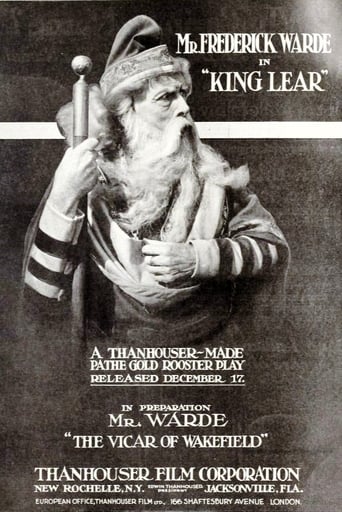
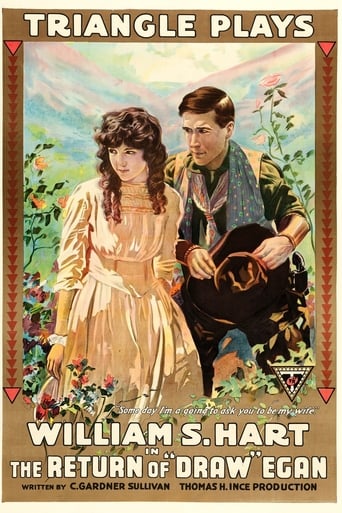
Supporting actor during the silent film era, with a brief but notable career in 1916. J.H. Appears in two significant films that year: an adaptation of Shakespeare's King Lear and the western The Return of Draw Egan, which starred the William S. Hart. His role in King Lear placed him among the cast of one of the earliest film adaptations of the Bard's work, while his appearance in The Return of Draw Egan connected him to popular western stars of the silent era. Like many character actors of his time, Gilmour likely worked for various studios as a contract player, taking whatever roles were available. The fact that both of his known films were released in the same year suggests either a very brief career or that many of his other film appearances have been lost to time, as was common with early cinema. His career represents the typical trajectory of many supporting actors in early Hollywood who contributed to the foundation of cinema while remaining largely anonymous to posterity.
The Craft
Milestones
- Appeared in King Lear (1916), one of the earliest Shakespeare film adaptations
- Worked with western star William S. Hart in The Return of Draw Egan (1916)
- Participated in the burgeoning silent film industry during its formative years
Best Known For
Must-See Films
Working Relationships
Worked Often With
Why They Matter
Impact on Culture
J.H. Gilmour's contribution to cinema, while small in scale, represents the collective effort of countless supporting actors who helped establish the foundation of American filmmaking during the silent era. His participation in both a literary adaptation and a western demonstrates the versatility required of early film actors who often worked across multiple genres. The fact that his name survives in historical records, despite appearing in only two known films, speaks to the importance of documenting even the smallest contributions to film history. His work in 1916 places him at a crucial moment in cinema history when feature films were becoming the industry standard and Hollywood was establishing itself as the global center of film production.
Lasting Legacy
J.H. Gilmour's legacy is that of a typical supporting actor from the silent era whose work has largely been lost to time, yet represents the thousands of performers who built the foundation of cinema. His appearances in both literary and genre films illustrate the diverse opportunities available to actors in early Hollywood. While he never achieved star status, his contributions to these notable 1916 productions ensure his place in film history, however small. His career serves as a reminder of the anonymous many who made the magic of early cinema possible, often working in obscurity while helping to create the art form that would become.
Who They Inspired
As a supporting actor with a very brief documented career, J.H. Gilmour's direct influence on other performers or filmmakers is difficult to trace. However, like all actors of his era, he contributed to the development of film acting techniques during the transition from stage to screen performance. The professionalism required to work in both Shakespearean adaptation and western genres in the same year demonstrated the versatility that would become increasingly valued in film actors as the medium evolved.
Off Screen
Very little is documented about J.H. Gilmour's personal life, which was typical for supporting actors of the silent era who were not major stars. Like many character actors of his time, he likely lived a modest life while working in the rapidly growing film industry.
Did You Know?
- Appeared in two completely different genres in 1916 - a Shakespeare adaptation and a western
- The Return of Draw Egan (1916) was directed by William S. Hart himself, one of the first western stars to direct his own films
- King Lear (1916) was one of many Shakespeare adaptations produced during the silent era when studios sought to legitimize cinema as an art form
- 1916 was a pivotal year in American cinema, with feature-length films becoming increasingly standard
- Many films from 1916 have been lost, making Gilmour's surviving filmography potentially incomplete
- Supporting actors in silent films often worked without screen credit, making complete filmographies difficult to compile
Frequently Asked Questions
Who was J.H. Gilmour?
Screen credits include two films in 1916: King Lear and The Return of Draw Egan. Like many character actors of his time, he had a brief but notable career during the formative years of American cinema.
What films is J.H. Gilmour best known for?
Titles linked here include King Lear (1916), The Return of Draw Egan (1916).
When was J.H. Gilmour born and when did he die?
Unfortunately, specific birth and death dates for J.H. Gilmour are not documented in historical records, which was common for supporting actors of the silent era who were not major stars.
What awards did J.H. Gilmour win?
There are no documented awards or nominations for J.H. Gilmour, which was typical for supporting actors during the silent era when formal award systems like the Academy Awards had not yet been established (the Oscars were first awarded in 1929).
What was J.H. Gilmour's acting style?
While specific details about Gilmour's acting style are not documented, actors of the silent era typically used exaggerated gestures and facial expressions to convey emotion without dialogue. His ability to work in both Shakespearean drama and westerns suggests he was a versatile performer.
Why is J.H. Gilmour's filmography so limited?
Gilmour's known filmography consists of only two films from 1916, which could indicate either a very brief career or that many of his other appearances have been lost to time. Film preservation was poor in the early days of cinema, and many silent films have been permanently lost.