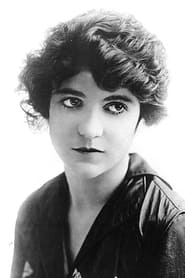
Margery Wilson
Actor
Born: July 31, 1896 in Lexington, Kentucky, United States Died: January 21, 1986 Active: 1916-1917 Birth Name: Marguerite Wilson
Films
4 films
About Margery Wilson
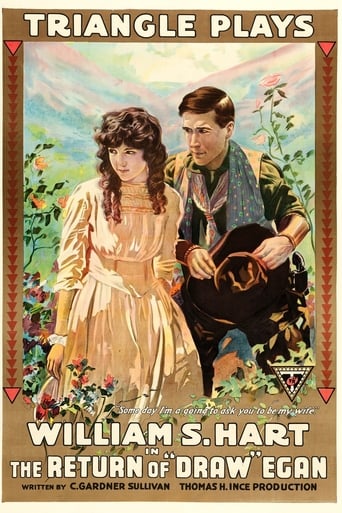
American actress who rose to prominence during the silent film era, particularly known for her collaborations with western star William S. Hart. Born in Kentucky, she began her film career in the mid-1910s and quickly became one of Hart's most frequent leading ladies, appearing in several of his most successful western productions. Wilson's career, though relatively brief, was concentrated primarily between 1916 and 1917, during which she starred in notable films such as 'The Return of Draw Egan,' 'The Clodhopper,' and 'Wolf Lowry.' Her performances were characterized by a naturalistic style that complemented Hart's intense screen presence, and she often portrayed strong-willed frontier women who could match her male counterparts in determination and resilience. Following her peak years in silent cinema, Wilson gradually stepped away from the film industry as the transition to sound films began, leaving behind a legacy of memorable performances in some of the most significant westerns of the late 1910s.
The Craft
On Screen
Wilson's acting style embodied the naturalistic approach that was becoming increasingly valued in the late silent era, particularly in western films. She brought a sense of authenticity to her frontier roles, avoiding the exaggerated melodramatic gestures common in earlier silent films. Her performances were marked by a subtle expressiveness that conveyed emotion through nuanced facial expressions and body language rather than theatrical movements. Wilson had a particular talent for portraying strong, independent female characters who could stand alongside the rugged male protagonists of western cinema, bringing depth and complexity to roles that might otherwise have been one-dimensional.
Milestones
- Breakthrough role in 'The Return of Draw Egan' (1916)
- Leading lady to William S. Hart in multiple westerns
- Starred in 'The Clodhopper' (1917)
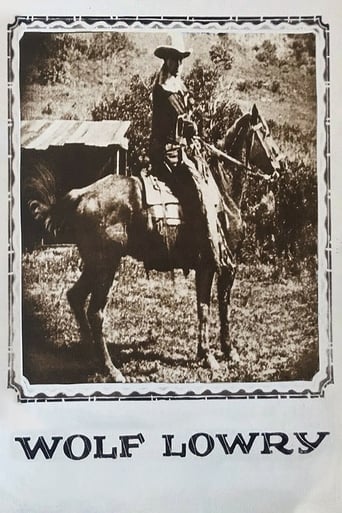
- Featured in 'Wolf Lowry' (1917)
- Established herself as a prominent western heroine during the silent era
Best Known For
Iconic Roles
Must-See Films
Accolades
Special Recognition
- Recognized as one of William S. Hart's most memorable leading ladies
Working Relationships
Worked Often With
Studios
Why They Matter
Impact on Culture
Margery Wilson contributed significantly to the development of the western heroine archetype during a crucial period in the genre's evolution. Her performances helped establish a template for strong female characters in westerns who were not merely love interests but active participants in the narrative. Wilson's work with William S. Hart,. Her naturalistic acting style represented a shift away from theatrical traditions toward more realistic performances that would become standard in cinema.
Lasting Legacy
Though her career was brief, Margery Wilson's legacy endures through her contributions to some of the most significant western films of the late 1910s. She remains remembered by film historians and silent cinema enthusiasts as. Wilson's films, particularly those with William S. Hart, continue to be studied and appreciated by scholars interested in the evolution of American cinema and the western genre. Her performances serve as examples of the transition from theatrical acting styles to more naturalistic approaches that would dominate film acting in subsequent decades.
Who They Inspired
Wilson influenced the portrayal of women in western films by demonstrating that female characters could possess strength, independence, and complexity while maintaining their femininity. Her naturalistic acting style provided a model for other actresses working in the genre, showing how subtlety and restraint could be more effective than exaggerated gestures. While she did not have a long career to mentor others directly, her performances in widely distributed films served as examples for subsequent generations of actresses working in westerns and other genres.
Off Screen
Margery Wilson was born Marguerite Wilson in Lexington, Kentucky, and showed an early interest in performing arts. After her brief but notable film career, she married and largely withdrew from public life, choosing to focus on her family. She lived a relatively private life following her departure from cinema, maintaining connections with some of her Hollywood colleagues but avoiding the spotlight. Wilson spent her later years in California, where she passed away in 1986 at the age of 89, having witnessed the complete transformation of the film industry from silent pictures to modern cinema.
Education
Limited information available about her formal education, though she likely received some dramatic training before entering films
Family
- Unknown (married after film career)
Did You Know?
- Her real name was Marguerite Wilson, but she used 'Margery' professionally
- She worked primarily with William S. Hart, one of the biggest western stars of the silent era
- Her entire known film active years covered only two years, 1916-1917
- Wilson appeared in at least 6 films during her brief career
- She was part of the Triangle Film Corporation, one of the major studios of the 1910s
- Her films were often shot on location in California, taking advantage of the western landscapes
- Wilson's character in 'The Return of Draw Egan' was particularly noted for its moral complexity
- She retired from films just as the industry was beginning to transition toward more feature-length productions
- Unlike many silent film stars, she successfully transitioned to a private life after leaving cinema
- Her films with Hart are considered among the finest examples of silent western cinema
In Their Own Words
No documented famous quotes from Margery Wilson are available from historical records
Frequently Asked Questions
Who was Margery Wilson?
American actress who worked during the silent film era, best known for her roles as William S. Hart's leading lady in several western films between 1916 and 1917, including 'The Return of Draw Egan' and 'The Clodhopper'.
What films is Margery Wilson best known for?
Titles linked here include The Return of Draw Egan (1916), The Clodhopper (1917).
When was Margery Wilson born and when did she die?
Born July 31, 1896; died January 21, 1986.
What awards did Margery Wilson win?
There are no documented awards or nominations for Margery Wilson, as was common for many actors during the early silent film period before major award systems were established.
What was Margery Wilson's acting style?
Wilson employed a naturalistic acting style that avoided theatrical exaggeration, using subtle facial expressions and body language to convey emotion, which was particularly effective in her western roles.
Why did Margery Wilson's career end so quickly?
While specific reasons are not fully documented, Wilson's retirement coincided with major changes in the film industry, and many actors from this period left the business as films became longer and more complex productions.
How did Margery Wilson influence western films?
Wilson helped establish the archetype of the strong, independent western heroine who could stand alongside male protagonists, contributing to the genre's development beyond simple action narratives.
Did Margery Wilson work in sound films?
No, Wilson's entire known film career was during the silent era, ending in 1917, well before the transition to sound films in the late 1920s.