Wolf Lowry
"Hart's loner and a settler's daughter"
Keys: Space play/pause · ←/→ 10s · F fullscreen · M mute · </> speed
About this film
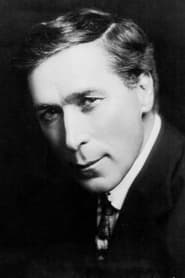
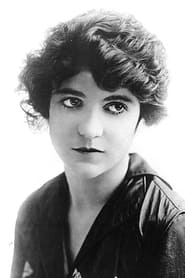
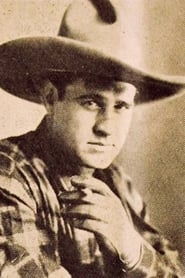
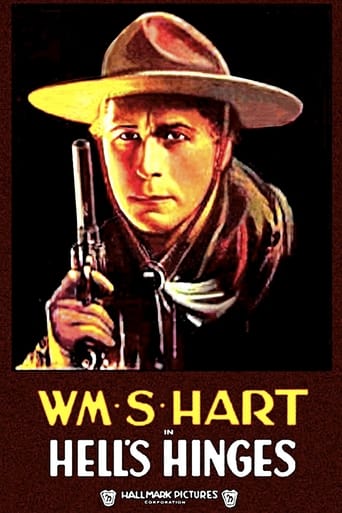
William S. Hart was the great solitary Western hero of silent film who rode his horse off to new adventures once his job was done. In WOLF LOWRY, he meets a young settler played by Margery Wilson, herself a director in the early 1920s whose films are all considered lost.
Cast & crew
More films like this
More Western films
View all →

More from William S. Hart
View all →


More about this film
About the production
Release dateOctober 21, 1917
ProductionWilliam S. Hart Productions, Artcraft Pictures Corporation
Filmed inBurbank, California, San Fernando Valley, California
Wolf Lowry was filmed during the golden age of silent Westerns when William S. Hart was at the peak of his popularity. The production utilized authentic Western locations and props, with Hart insisting on realism in every aspect of the filming. The movie was shot during the summer of 1917 when California's drought conditions provided the perfect dusty, arid landscape typical of Western settings. Hart, known for his method approach to acting, performed many of his own stunts, including dangerous horseback riding sequences that would later become his trademark.
Themes
Moral redemptionIsolation versus communityThe individual versus societyFrontier justicePersonal transformation
Themes & topics
rancherhomesteadercattle rustlersmoral dilemmasolitary herofrontier justiceredemptionshowdownhonortransformation
Historical background
William S. Hart Productions positioned Wolf Lowry for 1917 audiences accustomed to weekly program changes in urban theaters.
Why this film matters
Revival audiences read Wolf Lowry as evidence of 1917 taste for stories about william s.
Making of
The making of Wolf Lowry exemplified William S. Hart's meticulous approach to Western filmmaking. Hart, who had real experience as a cowboy and ranch hand, insisted on absolute authenticity in every detail, from the costumes to the dialogue cards. He worked closely with director Lambert Hillyer, with whom he had collaborated on several previous films, to ensure the story maintained the moral complexity that characterized his best work. The cast was chosen with Hart's direct involvement, and he personally coached Margery Wilson in her performance, helping her transition from her previous comedy roles to the more serious dramatic requirements of a Western heroine. The film was shot during an unusually hot California summer, with cast and crew often working in temperatures exceeding 100 degrees. Hart's dedication to realism extended to performing his own riding stunts, a practice that occasionally worried producers but always delivered spectacular results on screen. The production was completed in just three weeks, remarkably fast even by silent film standards, thanks to Hart's efficient management and his team's familiarity with his working methods.
What critics said
Silent-era reviewers devoted little space to Wolf Lowry, typical for a release of its scale in 1917.
Did you know?
- William S. Hart was not only the star but also had significant creative control over the production, as was typical for his films during this period.
- Margery Wilson, who played the female lead, would later become one of the few women directors of the silent era, though all of her directed films are now considered lost.
- The film was one of Hart's most successful releases of 1917, playing to packed theaters across America during World War I.
- Wolf Lowry's horse, a beautiful white steed named Fritz, became so popular that Hart received numerous letters from fans asking about the animal's welfare.
- The movie was filmed on the same ranch property that Hart later purchased and turned into his personal estate, which is now a historic landmark and museum.
- Contemporary reviews praised Hart's performance as 'more nuanced than his usual tough-guy roles,' showing greater emotional depth.
- The film's title character was partially inspired by real-life Western figures Hart had known during his youth in the Dakotas.
- Despite being over 100 years old, the film still exists in archives, making it one of Hart's better-preserved works.
- The movie's success helped establish the 'good bad man' archetype that would dominate Western films for decades.
- Hart's contract for this film included a clause giving him final approval on all aspects of production, from casting to final cut.
Visual style
The cinematography of Wolf Lowry, handled by Joseph H. August, exemplified the visual sophistication that characterized Hart's productions. August employed natural lighting techniques that took advantage of California's harsh sunlight to create the stark, high-contrast images that became synonymous with the Western genre. The film's outdoor sequences showcase a mastery of landscape photography, with wide shots emphasizing the isolation and majesty of the Western setting while close-ups captured the subtle emotional nuances of Hart's performance. The camera work was notably fluid for its time, with tracking shots during horseback riding sequences that created a sense of movement and energy unusual in 1917 productions. August's use of shadow and light in interior scenes added psychological depth to key dramatic moments, particularly in the film's moral crisis sequences. The visual storytelling relied on carefully composed images that conveyed character relationships and emotional states without the need for excessive intertitles, demonstrating the sophisticated visual literacy that had developed in cinema by this period.
Innovations
Wolf Lowry demonstrated several technical innovations that were advanced for 1917 filmmaking. The production utilized portable cameras that allowed for greater mobility in outdoor sequences, enabling more dynamic filming of horseback riding and chase scenes than was typical in earlier Westerns. The film's editing employed sophisticated cross-cutting techniques to build tension during action sequences, particularly in the climactic showdown scene where parallel actions were intercut to create suspense. The makeup techniques used to age Hart's character for certain scenes were notably subtle and effective for the period, avoiding the heavy-handed applications common in many contemporary films. The production also made effective use of location shooting rather than relying on studio backdrops, requiring advances in equipment transportation and power supply that facilitated filming in remote areas. The film's preservation in archives has allowed modern scholars to study the technical craftsmanship of the period, including the sophisticated matte painting techniques used to extend outdoor sets and create the illusion of vast Western landscapes.
Music
As a silent film, Wolf Lowry would have been accompanied by live musical performance during its original theatrical run. The typical presentation would have featured a piano or organ player providing musical accompaniment, with larger theaters employing small orchestras. The musical score would have been compiled from various published pieces appropriate to the mood of each scene, with dramatic moments accompanied by stirring classical excerpts and romantic sequences featuring popular ballads of the era. While no original score documentation survives for Wolf Lowry, contemporary accounts suggest that Hart's films were typically accompanied by carefully curated music that enhanced the emotional impact of key scenes. The musical accompaniment would have included familiar Western-themed compositions that audiences associated with frontier life, as well as original improvisations by skilled theater musicians. Modern screenings of the film often feature newly composed scores by silent film specialists who attempt to recreate the musical experience of 1917 while incorporating contemporary musical sensibilities.
Famous quotes
'A man's gotta stand for something, or he'll fall for anything.' - Wolf Lowry
'The West ain't big enough for both of us... but it's big enough for one man with courage.' - Wolf Lowry
'Sometimes doing right means standing alone.' - Wolf Lowry
Memorable scenes
- The climactic showdown where Wolf faces the cattle rustlers alone, demonstrating his transformation from isolated rancher to community protector. The scene is particularly memorable for Hart's subtle performance, conveying both fear and resolve through minimal gestures and intense facial expressions. The wide shots emphasize his isolation against the vast landscape, while close-ups capture the internal struggle that precedes his heroic action.
What audiences thought
Wolf Lowry was enthusiastically received by audiences in 1917, becoming one of the year's box office successes for William S. Hart. Contemporary newspaper reports described packed theaters and enthusiastic audience responses, with many viewers reportedly moved to tears by the film's emotional climax. The movie resonated particularly strongly with rural audiences and those with connections to Western life, who appreciated Hart's authentic portrayal of frontier values and his respect for the land and its people. Hart's fan mail from this period indicates that audiences identified strongly with the Wolf Lowry character's struggle between isolation and community, a theme that struck a chord during the wartime period when many Americans were experiencing similar tensions between individual desires and collective responsibilities. The film's success helped solidify Hart's status as especially popular and respected actors of the silent era, with his name alone becoming sufficient to guarantee box office success. Audience appreciation for the film endured through subsequent decades, with revival screenings in the 1920s and 1930s still drawing appreciative crowds, testament to the lasting appeal of Hart's particular brand of Western storytelling.
Film connections
Influenced by
- Hart's own experiences as a real cowboy
- Contemporary dime novel Westerns
- The works of Owen Wister (particularly 'The Virginian')
- Classical Western mythology
- Biblical stories of redemption
This film influenced
- Later William S. Hart Westerns
- John Ford's early Westerns
- The 'good bad man' archetype in subsequent Westerns
- Psychological Westerns of the 1950s
- Revisionist Westerns of the 1960s-70s
Film restoration
Wolf Lowry is considered to be a partially preserved film. While the complete film exists in archives, some sequences have suffered from nitrate decomposition over the decades. The Library of Congress maintains a copy, and portions have been restored by film preservationists. The film is not considered completely lost, unlike many of Hart's other works, making it an important surviving example of his artistic output during his peak years. Several archives, including the Museum of Modern Art and the UCLA Film & Television Archive, hold prints or fragments of the film, ensuring its continued availability for study and exhibition. Restoration efforts have focused on stabilizing the existing footage and reconstructing missing elements from various sources when possible.
Where to watch
- The film is occasionally screened at silent film festivals and special cinema events
- Some archives may provide viewing access for researchers and scholars
- The film may be available through specialized film distribution companies that focus on classic cinema
- Occasionally broadcast on Turner Classic Movies or other classic film channels
- Available through some university film studies programs and archives