Films
4 films
About Hector Dion
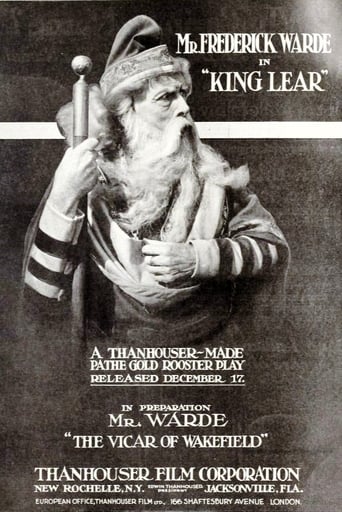
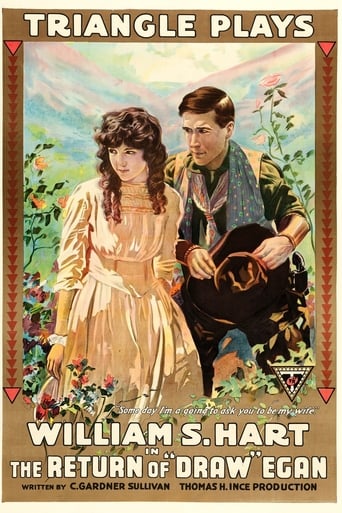
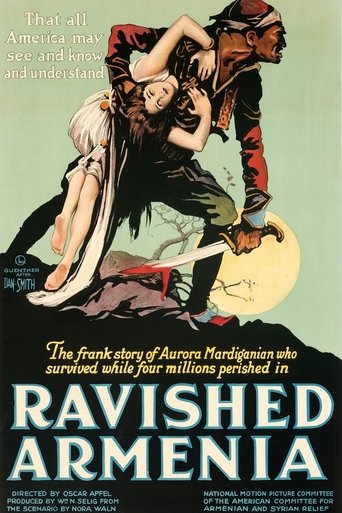
Silent film actor who had a brief but notable career during the transitional period of American cinema in the late 1910s. His work spanned from 1916 to 1919, appearing in at least three significant productions of the era. Hector appears in the 1916 adaptation of Shakespeare's King Lear, demonstrating his ability to handle classical material during a time when many actors struggled with the transition from stage to screen. Dion also worked in the popular western genre with his appearance in William S. Hart's The Return of Draw Egan (1916), successful westerns of its time. His most historically significant role came in Auction of Souls (1919), also known as Ravished Armenia, a film that brought attention to the Armenian genocide. Despite his promising start in diverse genres, Dion's film career appears to have ended abruptly after 1919, as was common for many actors of the silent era who couldn't transition to sound films or who left the industry for other pursuits.
The Craft
Milestones
- Appeared in King Lear (1916) adaptation
- Worked with western star William S. Hart in The Return of Draw Egan (1916)
- Participated in the historically significant Auction of Souls (1919) about the Armenian genocide
Best Known For
Iconic Roles
Must-See Films
Working Relationships
Worked Often With
Why They Matter
Impact on Culture
Hector Dion's contribution to cinema, while brief, is part of the important foundation of American film history. His appearance in Auction of Souls (1919) places him in the context of early socially conscious filmmaking, as this movie was one of the first to address contemporary atrocities on screen. The film was used for fundraising efforts for Armenian refugees and represents an early example of cinema being used for humanitarian causes. His work across different genres - from classical adaptation to western to social drama - demonstrates the versatility required of actors during the formative years of Hollywood.
Lasting Legacy
As with many actors from the silent era whose careers lasted only a few years, Hector Dion's legacy exists primarily through the surviving films in which he appeared. His participation in historically significant productions like Auction of Souls ensures that his work, though limited, is preserved as part of the broader narrative of early American cinema's development and its role in addressing important social issues of the time.
Who They Inspired
Due to the brevity of his career and the supporting nature of his roles, there is little documented evidence of Hector Dion's direct influence on other actors or filmmakers. However, his work in the transitional period of cinema contributed to the evolving language of film acting during the crucial shift from stage techniques to screen-specific performance styles.
Off Screen
Very little is documented about Hector Dion's personal life, which was common for many supporting actors of the silent era whose careers were brief and occurred before comprehensive film industry record-keeping became standard.
Did You Know?
- Hector Dion's entire known filmography spans only three years from 1916 to 1919
- He worked in multiple genres including Shakespearean adaptation, western, and social drama
- Auction of Souls (1919) was considered controversial for its time due to its graphic depiction of the Armenian genocide
- The Return of Draw Egan (1916) was one of William S. Hart's most successful western films
- Many actors from Dion's era left no personal records or interviews, making comprehensive biographies difficult to compile
- Silent era actors often used stage names, making it difficult to trace their actual identities and personal histories
- The brief nature of many silent film careers was often due to the physical demands of filmmaking and the instability of the early film industry
Frequently Asked Questions
Who was Hector Dion?
Screen credits include at least three notable films including King Lear (1916), The Return of Draw Egan (1916), and Auction of Souls (1919). His career was brief but spanned multiple genres during a formative period in American cinema.
What films is Hector Dion best known for?
Titles linked here include King Lear (1916), The Return of Draw Egan (1916).
When was Hector Dion born and when did he die?
Unfortunately, specific birth and death dates for Hector Dion are not documented in available historical records, which is common for many supporting actors from the silent era whose careers were brief and occurred before comprehensive industry record-keeping.
What awards did Hector Dion win?
There are no documented awards or nominations for Hector Dion, which was typical for many actors of his era during the early days of American cinema before major award institutions like the Academy Awards were established.
What was Hector Dion's acting style?
While specific details about Hector Dion's acting style are not documented, actors of his era typically used exaggerated gestures and expressions suitable for silent film, transitioning from stage acting techniques to more subtle screen performances as the medium evolved.