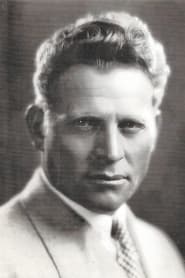
Fred Kohler
Actor
Born: April 20, 1888 in Berlin, Germany Died: October 28, 1938 Active: 1911-1938 Birth Name: Frederick Heinrich Kohler
Films
10 films

About Fred Kohler
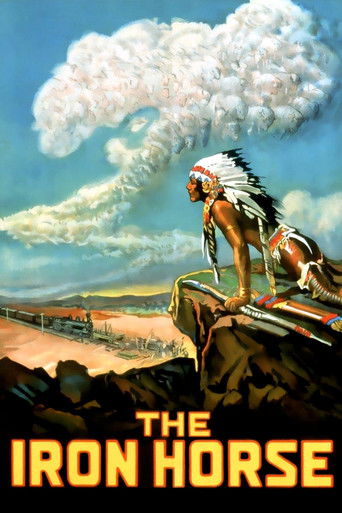
German-American character actor who became recognizable villains and heavies in Hollywood during the silent era and early sound period. Born in Berlin, Germany, he immigrated to the United States as a child and began his career in vaudeville before transitioning to films in the early 1910s. Kohler's imposing physical presence, with his tall stature, muscular build, and distinctive bald head with a menacing glare, made him the perfect antagonist in numerous westerns and dramatic films. He worked extensively with directors like John Ford, appearing in the epic 'The Iron Horse' (1924) about the construction of the transcontinental railroad. Kohler successfully transitioned to talkies, though his career was cut short by his untimely death in 1938 at the age of 50. Throughout his career, he appeared in over 200 films, establishing himself as one of Hollywood's most reliable character actors, particularly excelling in villainous roles that required both physical intimidation and nuanced menace.
The Craft
On Screen
Kohler's acting style was characterized by his powerful physical presence and intense, menacing glares that made him a memorable villain. He specialized in playing antagonists, particularly in westerns and crime dramas, using his imposing physique to create intimidating characters. His silent film performances relied heavily on facial expressions and body language, with his bald head and piercing eyes becoming his trademarks. In talkies, he maintained his menacing presence while adding a deep, gravelly voice that enhanced his villainous roles. Kohler was known for his ability to convey both brute force and psychological menace, often playing characters who were physically dominant but also cunning and calculating.
Milestones
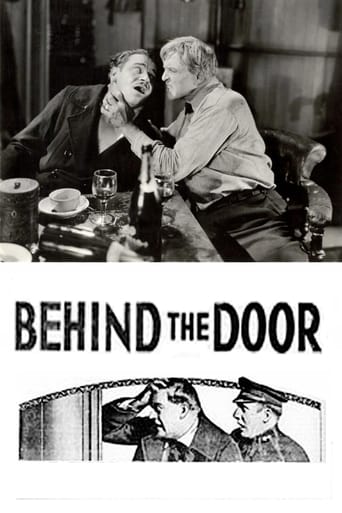
- Breakthrough role in 'Behind the Door' (1919) opposite Wallace Beery
- Starred in John Ford's groundbreaking western 'The Iron Horse' (1924)
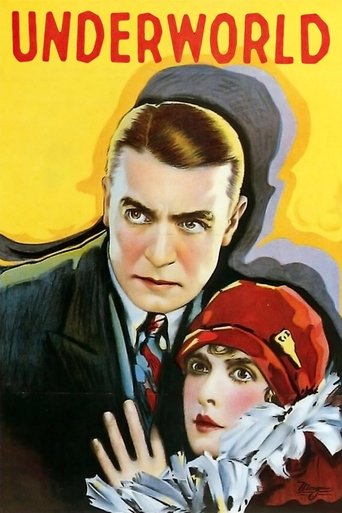
- Appeared in Josef von Sternberg's 'Underworld' (1927), one of the first gangster films
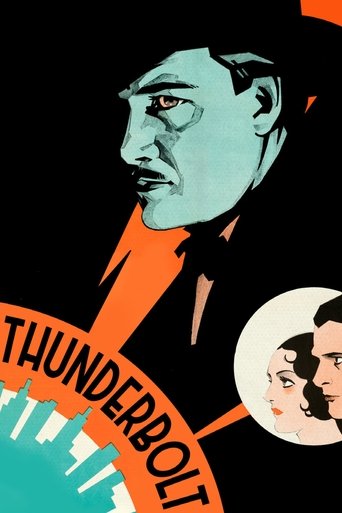
- Successfully transitioned to talkies with 'Thunderbolt' (1929)
- Established himself as one of Hollywood's most prolific character actors with over 200 film appearances
Best Known For
Iconic Roles
Must-See Films
Working Relationships
Worked Often With
Studios
Why They Matter
Impact on Culture
Fred Kohler significantly influenced the development of the villain archetype in American cinema during the silent and early sound eras. His distinctive appearance and menacing screen presence helped establish the visual language of villainy in Hollywood films, particularly in westerns and crime dramas. Kohler's work in 'Underworld' (1927) contributed to the development of the gangster film genre, while his performances in John Ford's westerns helped define the antagonistic elements that would become staples of the genre. His ability to successfully transition from silent films to talkies demonstrated the importance of physical presence and characterization that transcended technological changes in cinema.
Lasting Legacy
Fred Kohler's legacy endures through his extensive filmography and the archetype of the cinematic villain he helped establish. With over 200 film appearances, he remains. His son, Fred Kohler Jr., continued the family tradition, appearing in many classic Hollywood films and television shows. Kohler's influence can be seen in subsequent generations of character actors who specialized in villainous roles, particularly those who understood the power of physical presence and subtle menace in creating memorable antagonists.
Who They Inspired
Kohler influenced subsequent character actors by demonstrating how physical presence and subtle facial expressions could create compelling villains without relying on elaborate dialogue or action. His work in silent films showed future generations the importance of visual storytelling and character development through physicality. Many later character actors, particularly those specializing in villainous roles in westerns and film noir, drew inspiration from Kohler's ability to create memorable antagonists through a combination of physical intimidation and psychological complexity. His successful transition to sound films also provided a model for other silent film actors facing the challenges of talkies.
Off Screen
Fred Kohler married actress Alma Tell in 1919, and they remained married until his death in 1938. Their son, Fred Kohler Jr., followed in his father's footsteps and became a successful character actor in Hollywood, appearing in numerous films and television shows from the 1940s through the 1970s. The family maintained a private life away from the Hollywood spotlight, with Kohler focusing intensely on his craft and maintaining a reputation as a reliable professional on set. Despite his menacing screen persona, colleagues described him as a gentle and kind person off-camera, dedicated to his family and craft.
Education
Limited formal education; primarily self-taught through practical experience in vaudeville and early film work
Family
- Alma Tell (1919-1938)
Did You Know?
- Stood 6'2" tall with an imposing muscular build that made him perfect for villainous roles
- Was completely bald from an early age, which became his trademark appearance
- His son Fred Kohler Jr. Appeared in over 200 films and TV shows, continuing the family acting tradition
- Often played characters much older than his actual age due to his mature appearance
- Was a skilled horseman, which served him well in his numerous western roles
- Despite his menacing screen persona, was known as a gentle and kind person in real life
- Appeared in both versions of 'The Lost World' (1925) - as a character and as a stunt double
- Was one of the few silent film villains who successfully made the transition to sound films
- Worked with virtually every major star of the 1920s and early 1930s
- His death at age 50 cut short a prolific career that was still in high demand
In Their Own Words
In silent films, your eyes had to do the talking. I learned to say more with a glare than most actors could with a page of dialogue.
Being the heavy isn't about being evil, it's about being convincing. The audience has to believe you're a threat to the hero.
The transition to sound wasn't as difficult for me as for others. Villains don't need to say much when their presence does the talking.
Frequently Asked Questions
Who was Fred Kohler?
German-American character with credits in this catalog. With his imposing physical presence and distinctive bald appearance, he appeared in over 200 films between 1911 and 1938, specializing in antagonist roles in westerns and crime dramas.
What films is Fred Kohler best known for?
Titles linked here include The Iron Horse (1924), Underworld (1927).
When was Fred Kohler born and when did he die?
Born April 20, 1888; died October 28, 1938.
What awards did Fred Kohler win?
Fred Kohler did not receive major formal awards or nominations during his career, though he was highly regarded within the industry as one of Hollywood's most reliable and effective character actors. His recognition came primarily through consistent work and the respect of his colleagues and directors.
What was Fred Kohler's acting style?
Kohler's acting style was characterized by his powerful physical presence, intense facial expressions, and ability to convey menace through subtle gestures and glares. He specialized in creating intimidating villains using his imposing physique, bald head, and piercing eyes, successfully transitioning this approach from silent films to talkies.