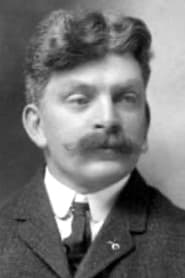
Porter Strong
Actor
Born: August 20, 1890 in New York City, New York, USA Died: March 24, 1949 Active: 1919-1923
Films
5 films
About Porter Strong
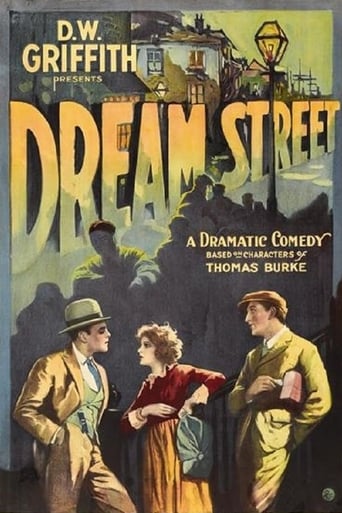
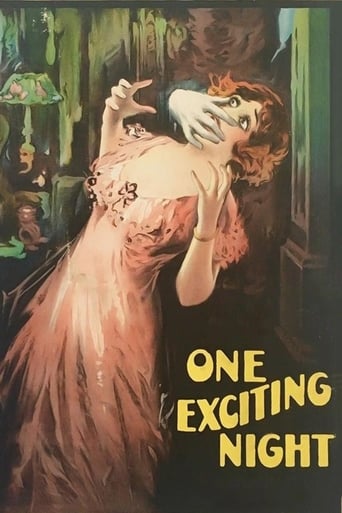
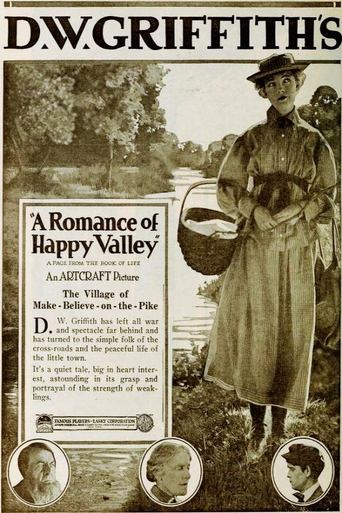
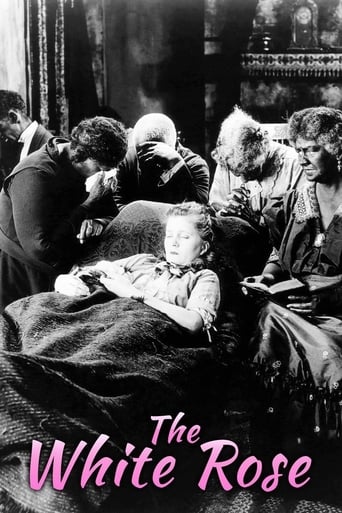
The 1923 film The White Rose is the only title linked here for Porter Strong. Griffith. Born in 1890 in New York City, Strong began his film career in 1919 with Griffith's 'A Romance of Happy Valley' and quickly became part of the director's stock company of actors. Throughout his brief but notable career, which spanned from 1919 to 1923, Strong appeared in supporting roles that showcased his ability to adapt to Griffith's distinctive directorial style and the dramatic requirements of silent cinema. His performances in films like 'Dream Street' (1921) and 'One Exciting Night' (1922) demonstrated his skill in conveying emotion through the expressive techniques required in pre-sound film. After his final film appearance in 'The White Rose' (1923), Strong largely disappeared from the film industry, leaving behind a small but significant body of work from the golden age of silent cinema. His career, though short, coincided with a pivotal period in American film history when the medium was establishing itself as a serious art form under the guidance of directors like Griffith.
The Craft
On Screen
Porter Strong's acting style was characteristic of the silent film era, emphasizing expressive gestures, exaggerated facial expressions, and physical movement to convey emotion and narrative without the benefit of dialogue. Working under D.W. Griffith's direction, Strong likely employed the dramatic techniques that Griffith pioneered, including careful attention to visual storytelling and the use of body language to communicate character motivations. His performances in supporting roles required him to complement the lead actors while maintaining the visual continuity that Griffith demanded in his films.
Milestones
- Debut in D.W. Griffith's 'A Romance of Happy Valley' (1919)
- Became part of D.W. Griffith's stock company of actors
- Appeared in five films during the silent era
- Worked consistently with one of cinema's most important directors
- Contributed to significant silent films during a pivotal period in cinema history
Best Known For
Iconic Roles
Must-See Films
Working Relationships
Worked Often With
Studios
Why They Matter
Impact on Culture
Porter Strong's cultural impact is primarily tied to his association with D.W. Griffith and his contributions to the body of work produced by one of cinema's most influential directors. While his individual career was brief and he never achieved star status, Strong was part of the ensemble that helped realize Griffith's artistic vision during the director's later period. His performances in films like 'Dream Street' and 'One Exciting Night' contribute to our understanding of silent cinema techniques and the collaborative nature of film production during the early 1920s. Strong's work shows the many supporting actors who were essential to the success of early cinema but whose names have largely been forgotten by time.
Lasting Legacy
Porter Strong's legacy is that of a character actor who played a small but meaningful role in the development of American cinema during its formative years. His association with D.W. Griffith places him within the historical narrative of one of cinema's most important periods, and his surviving film performances provide valuable examples of silent era acting techniques. While not remembered as a major star, Strong represents the countless talented actors who formed the backbone of early Hollywood, contributing their skills to create the films that would define an era and influence generations of filmmakers to come.
Who They Inspired
Due to his brief career and supporting role status, there is limited documented evidence of Porter Strong's direct influence on other actors or filmmakers. However, his work with D.W. Griffith contributed to the films that would influence countless future directors and actors. Strong's performances, preserved in Griffith's films, continue to serve as examples of silent era acting for film students and historians studying the techniques and aesthetics of early cinema.
Off Screen
Very limited information is available about Porter Strong's personal life beyond his brief film career. He appears to have lived a relatively private life after leaving the film industry in 1923, with little documentation of his activities during the subsequent decades until his death in 1949 at the age of 58.
Did You Know?
- All of Porter Strong's known film appearances were in films directed by D.W. Griffith
- His entire film active years covered only four years, from 1919 to 1923
- Strong was part of D.W. Griffith's stock company during the director's later period
- His career ended before the transition to sound films in the late 1920s
- Strong appeared in 'Dream Street' (1921), which was Griffith's first film to experiment with sound
- He worked during a pivotal transitional period in American cinema history
- Despite working with a major director, Strong never achieved leading man status
- His films are now considered important examples of silent cinema and Griffith's work
- Strong's career coincided with the height of the silent film era's artistic achievements
- Like many supporting actors of the era, much of his personal information has been lost to time
Frequently Asked Questions
Who was Porter Strong?
American with credits in this catalog.W. Griffith. He appeared in five films between 1919 and 1923, working as a supporting actor in Griffith's stock company during a pivotal period in American cinema history.
What films is Porter Strong best known for?
Titles linked here include A Romance of Happy Valley (1919), Dream Street (1921).
When was Porter Strong born and when did he die?
Born August 20, 1890; died March 24, 1949.
What awards did Porter Strong win?
There are no documented awards or nominations for Porter Strong, which was common for supporting actors during the silent film era. The Academy Awards were not established until 1929, after his film career had already ended.
What was Porter Strong's acting style?
Porter Strong's acting style was characteristic of the silent film era, emphasizing expressive gestures and facial expressions to convey emotion without dialogue. Working under D.W. Griffith, he employed dramatic techniques suited to visual storytelling and the technical limitations of early cinema.
Why did Porter Strong's career end so quickly?
The exact reasons for Porter Strong's departure from films after 1923 are not documented, but this was not uncommon for character actors of the silent era. Many supporting actors left the industry due to the transition to sound, changing industry dynamics, or personal career choices.
What was Porter Strong's connection to D.W. Griffith?
Porter Strong was part of D.W. Griffith's stock company of actors, appearing in five consecutive films directed by Griffith between 1919 and 1923. This association with one of cinema's most important directors represents Strong's most significant contribution to film history.