Films
1 film
About William J. Ferguson
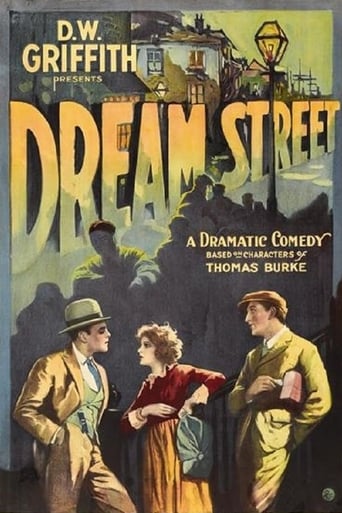
William J. Ferguson worked on one surviving credit: a supporting role in D. W. Griffith's Dream Street (1921). That single appearance is his only documented screen work in this catalog.
The Craft
Milestones
- Appeared in D.W. Griffith's Dream Street (1921)
Best Known For
Must-See Films
Working Relationships
Worked Often With
Studios
Why They Matter
Impact on Culture
William J. Ferguson represents the countless anonymous actors who contributed to early American cinema during its formative years. While his individual impact was minimal, actors like him formed the essential foundation that allowed major directors like D.W. Griffith to realize their cinematic visions. His participation in Dream Street places him within the context of Griffith's important body of work, even if his specific contribution was small. The existence of actors like Ferguson illustrates the vast scale of the early film industry and the many performers who passed through it without achieving lasting recognition.
Lasting Legacy
William J. Ferguson's legacy exists primarily through his brief appearance in Dream Street, a film that represents D.W. Griffith's continued experimentation with cinematic form during the early 1920s. While he did not achieve lasting fame or recognition, his contribution to this significant silent film places him within the historical record of American cinema. Like many bit players from the silent era, he serves as a reminder of the thousands of performers who were essential to creating early films but whose names and stories have largely been lost to time. His legacy is that of a representative figure of the anonymous workforce that built Hollywood during its golden age.
Who They Inspired
As a minor actor with only one known film credit, William J. Ferguson did not have a significant influence on other actors or directors. His influence is limited to his participation in the collaborative art of filmmaking during the silent era, contributing in whatever small way to the overall success of D.W. Griffith's Dream Street.
Off Screen
Very little is known about William J. Ferguson's personal life, as was common for minor actors and bit players from the silent era who did not achieve lasting fame.
Did You Know?
- William J. Ferguson's only known film appearance was in D.W. Griffith's Dream Street (1921)
- Dream Street was one of Griffith's experiments with sound technology, featuring a musical score and sound effects
- The film was based on stories from Thomas Burke's 'Limehouse Nights'
- Many actors who appeared in Griffith's films were part of his regular stock company
- Silent era actors with only one or two film credits were often bit players or extras
- Dream Street starred Carol Dempster and Ralph Graves in the lead roles
- The film was considered one of Griffith's lesser successful works commercially
- Many records of minor actors from this period have been lost over time
Frequently Asked Questions
Who was William J. Ferguson?
Screen credits include only one known film, D.W. Griffith's Dream Street in 1921. He was a minor performer who did not achieve lasting fame in Hollywood.
What films is William J. Ferguson best known for?
Titles linked here include Dream Street (1921).
When was William J. Ferguson born and when did he die?
Specific birth and death dates for William J. Ferguson are not documented in available film historical records, which is common for minor actors from the silent era.
What awards did William J. Ferguson win?
William J. Ferguson did not receive any known awards or nominations for his brief film career, which consisted of a single appearance in 1921.
What was William J. Ferguson's acting style?
Due to the limited documentation of his career and the likely minor nature of his role, there is no specific information available about William J. Ferguson's acting style or techniques.
Did William J. Ferguson work with any famous directors?
Yes, William J. Ferguson worked with D.W. Griffith,.
Why is so little known about William J. Ferguson?
Very little is known about William J. Ferguson because he was a minor actor during the silent era who appeared in only one film. Many supporting players and bit actors from this period were not well documented in film history.