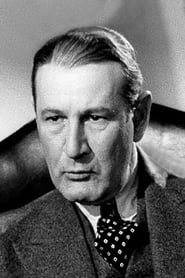
Morgan Wallace
Actor
Born: July 26, 1890 in New York City, New York, USA Died: December 12, 1953 Active: 1921-1953
Films
3 films
About Morgan Wallace
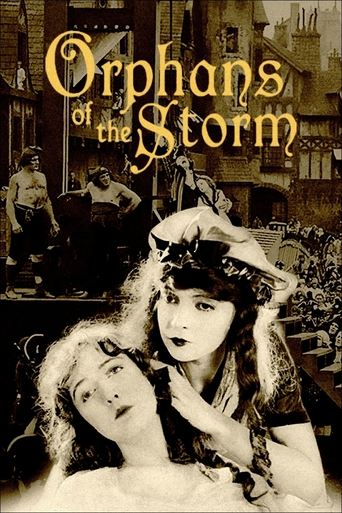
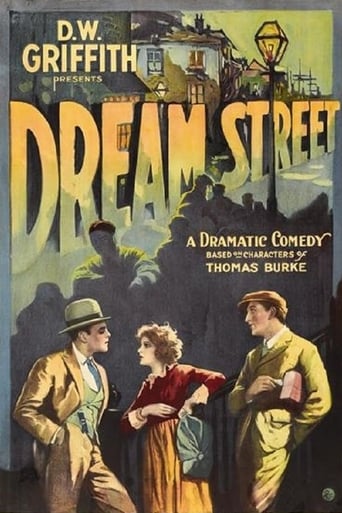
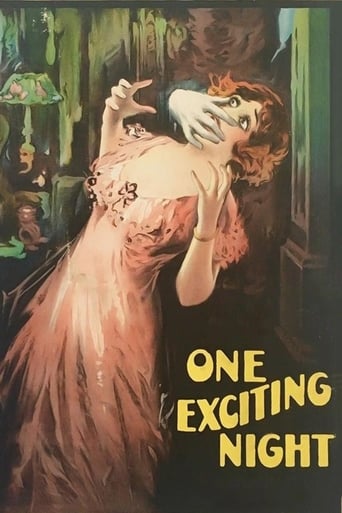
American actor: the silent era through the early 1950s, appearing in over 200 films. He began his film career in the early 1920s, working extensively with director D.W. Griffith in films like 'Orphans of the Storm' (1921), 'Dream Street' (1921), and 'One Exciting Night' (1922). Wallace successfully made the transition from silent films to talkies, a feat many of his contemporaries struggled with. Throughout his career, he often played authoritative figures, villains, and character roles, utilizing his distinctive tall, imposing presence and commanding voice. He worked consistently through the 1930s and 1940s, appearing in numerous supporting roles across various genres. Wallace — reliable character actor who directors could depend on for solid performances, particularly in roles requiring gravitas or menace. His career continued until shortly before his death in 1953, leaving behind a substantial body of work that represents the transition from silent cinema to classical Hollywood.
The Craft
On Screen
Wallace was known for his commanding presence and authoritative demeanor, often playing villains, officials, or characters of authority. He had a distinctive tall stature and deep voice that served him well in both silent and sound films. His acting style was naturalistic yet impactful, with a particular talent for conveying menace or gravitas through subtle expressions and vocal delivery. In silent films, he used his physical presence effectively to communicate character, while in talkies, his resonant voice became one of his most valuable assets.
Milestones
- Breakthrough role in D.W. Griffith's 'Orphans of the Storm' (1921)
- Successful transition from silent films to talkies
- Appeared in over 200 films throughout his 30+ year career
- Frequent collaborator with major directors of the silent era
- Established himself as a reliable character actor in Hollywood's Golden Age
Best Known For
Iconic Roles
Must-See Films
Working Relationships
Worked Often With
Studios
Why They Matter
Impact on Culture
Morgan Wallace represents the unsung character actors who formed the backbone of early Hollywood cinema. While never achieving leading man status, his consistent presence in films from the silent era through the early 1950s demonstrates the crucial role reliable supporting actors played in building the film industry. His successful transition from silent to sound films exemplifies the adaptability required of actors during this transformative period in cinema history. Wallace's work with directors like D.W. Griffith places him within the foundational development of American film language and storytelling techniques.
Lasting Legacy
Morgan Wallace's legacy lies in his extensive body of work that spans. His filmography serves as a valuable record of the evolution of American film from the silent era through the Golden Age of Hollywood. As a character actor who worked consistently for over three decades, he represents the professional journey of countless actors who built their careers through reliability and versatility rather than stardom. His performances in classic films continue to be studied by film historians and appreciated by classic cinema enthusiasts.
Who They Inspired
While not widely known as an influential figure in the traditional sense, Morgan Wallace's career influenced the profession of character acting in Hollywood. His longevity and consistency demonstrated the viability of building a career through supporting roles rather than leading parts. His successful transition from silent to sound films provided a model for other actors facing similar challenges. His work with directors contributed to the development of film acting techniques that would influence generations of performers.
Off Screen
Morgan Wallace was known primarily through his professional work rather than his personal life. He maintained a relatively private existence away from the Hollywood spotlight, focusing on his craft and steady work in the film industry. As was common for character actors of his era, he was more recognized by audiences for his face and roles than for his off-screen persona. His dedication to his craft was evident in his extensive filmography and consistent employment throughout decades of changing Hollywood landscapes.
Did You Know?
- Appeared in three consecutive D.W. Griffith films in 1921-1922
- Successfully transitioned from silent films to talkies, unlike many of his contemporaries
- Worked as an actor for over 30 years, appearing in more than 200 films
- Often played authority figures due to his tall stature and commanding presence
- Was part of the early Hollywood studio system during its formative years
- His active years covered from the silent era through the early 1950s
- Worked with some of the most influential directors of early cinema
- Never achieved leading man status but maintained steady employment throughout his career
Frequently Asked Questions
Who was Morgan Wallace?
American character with credits in this catalog. He was known for his authoritative presence and frequent collaborations with director D.W. Griffith in films like 'Orphans of the Storm' and 'Dream Street'.
What films is Morgan Wallace best known for?
Titles linked here include Orphans of the Storm (1921), Dream Street (1921).
When was Morgan Wallace born and when did he die?
Born July 26, 1890; died December 12, 1953.
What awards did Morgan Wallace win?
Morgan Wallace did not receive major awards or nominations during his career, which was typical for character actors of his era. His recognition came through consistent work and respect from directors and colleagues rather than formal accolades.
What was Morgan Wallace's acting style?
Morgan Wallace's acting style was characterized by his commanding presence and authoritative demeanor, making him ideal for roles as villains or officials. He had a naturalistic approach that worked well in both silent and sound films, using his physical presence in silent movies and his distinctive voice in talkies.