Robert N. Bradbury
Director
Born: March 23, 1886 in Wallula, Washington, USA Died: November 24, 1949 Active: 1918-1945 Birth Name: Robert North Bradbury
Films
8 films

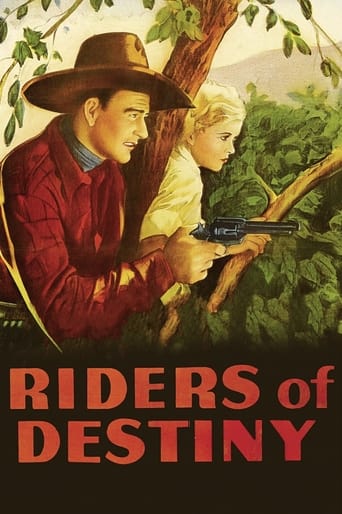
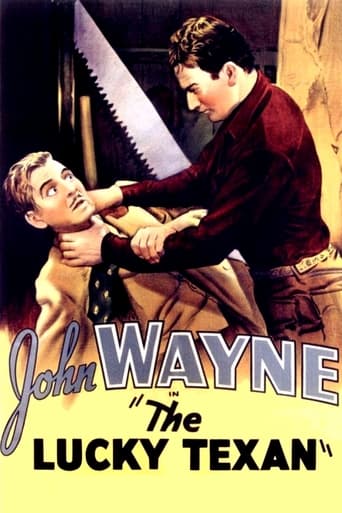
About Robert N. Bradbury
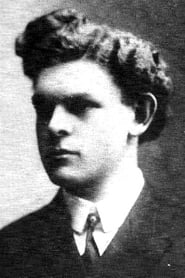
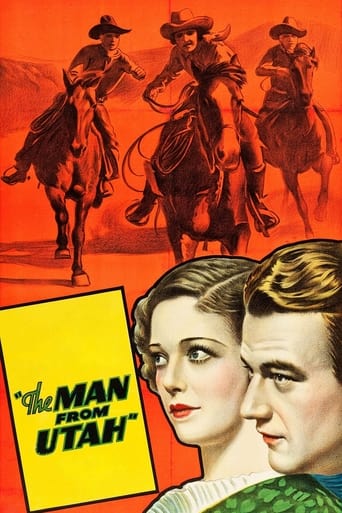
Robert N. Bradbury (1886-1949) was a prolific American film director and screenwriter who specialized in westerns during the silent era and early sound period. He began his career in the film industry as an actor in the 1910s before transitioning to directing and writing. Bradbury was particularly known for his work with poverty row studios like Monogram Pictures and Mascot Pictures, where he directed numerous low-budget but commercially successful westerns. He had a significant collaboration with young John Wayne, directing him in several early films that helped establish Wayne's screen persona. Bradbury was also the father of actor Bob Steele, who frequently starred in his father's productions. Throughout his career, he directed over 100 films, demonstrating remarkable productivity and efficiency in the studio system. His directing style emphasized fast-paced action and clear storytelling, making his films popular with audiences despite their limited budgets.
The Craft
Behind the Camera
Bradbury was known for his economical and efficient directing style, maximizing production value within limited budgets. He emphasized clear storytelling, fast-paced action sequences, and straightforward narratives that appealed to western audiences. His films typically featured rapid shooting schedules and practical location work, often utilizing the same landscapes and sets across multiple productions to reduce costs. Despite budget constraints, he maintained a professional approach to cinematography and editing, ensuring his films met the expectations of genre fans.
Milestones
- Directed over 100 films during his career
- Helped launch John Wayne's career with early starring roles
- Pioneered efficient low-budget filmmaking techniques
- Created the popular 'Three Mesquiteers' series concept
- Transitioned successfully from silent films to talkies
- Worked extensively with poverty row studios
Best Known For
Must-See Films
Accolades
Special Recognition
- Contributed significantly to the development of the B-western genre
- Recognized as an important figure in John Wayne's early career development
Working Relationships
Worked Often With
Studios
Why They Matter
Impact on Culture
Robert N. Bradbury played a crucial role in shaping the B-western genre during its golden age in the 1930s. His efficient production methods and understanding of western audience preferences helped establish templates that would be followed by countless low-budget westerns. His early work with John Wayne was instrumental in developing the screen persona that would later make Wayne an American icon. Bradbury's films, while modest in budget, contributed significantly to the popular mythology of the American West and helped maintain the western genre's popularity during the Great Depression when audiences needed escapist entertainment.
Lasting Legacy
Bradbury's legacy lies primarily in his contribution to the development of the American B-western and his role in launching the career of John Wayne. His over 100 directed films represent a significant body of work that exemplifies the studio system's efficiency during Hollywood's golden age. His techniques for economical filmmaking influenced subsequent generations of low-budget directors. The family dynasty he created, particularly through his son Bob Steele's career, ensured his influence extended well beyond his own directorial work. Today, film historians recognize Bradbury as an important figure in preserving and popularizing the western genre during challenging economic times.
Who They Inspired
Bradbury influenced the development of low-budget filmmaking techniques that would become standard practice in B-movie production. His work with John Wayne helped establish many of the character traits and narrative patterns that would define the western hero archetype. His emphasis on action, clear moral storytelling, and efficient production values influenced subsequent western directors working within similar budgetary constraints. Many of the narrative structures and character types he employed became staples of the western genre for decades to follow.
Off Screen
Robert N. Bradbury was married to Nieta Quinn, and their marriage produced two sons who both became actors. The family was deeply involved in the film industry, with Bradbury often casting his sons in leading roles in his productions. He maintained a reputation as a reliable and hardworking director within the Hollywood studio system, particularly respected for his ability to deliver completed films on tight schedules and budgets. His family connections in the industry helped create a dynasty of western film performers and creators.
Education
Limited formal education; learned filmmaking through practical experience in the early film industry
Family
- Nieta Quinn (1910-1949)
Did You Know?
- Directed over 100 films in less than 30 years
- Father of two prominent western actors, Bob Steele and William Bradbury
- Often cast his sons as the leads in his films
- Many of his John Wayne films were shot in just a few days
- Helped establish the 'singing cowboy' trope with Riders of Destiny
- Worked extensively with stuntman Yakima Canutt on action sequences
- His films were often remade or reused footage in later productions
- Was one of the few directors who successfully transitioned from silent to sound westerns
- Often reused the same sets and locations across multiple films to save money
- His films typically ran for about 55-60 minutes, standard for B-westerns of the era
In Their Own Words
In westerns, you don't need expensive sets - the great outdoors is your biggest studio
A good western needs three things: a clear hero, a clear villain, and plenty of action between them
Working with small budgets teaches you to be creative - that's where the best ideas come from
Frequently Asked Questions
Who was Robert N. Bradbury?
Prolific American on YTB.my. He directed over 100 films and was particularly known for his work with John Wayne in the early 1930s, helping establish Wayne's career.
What films is Robert N. Bradbury best known for?
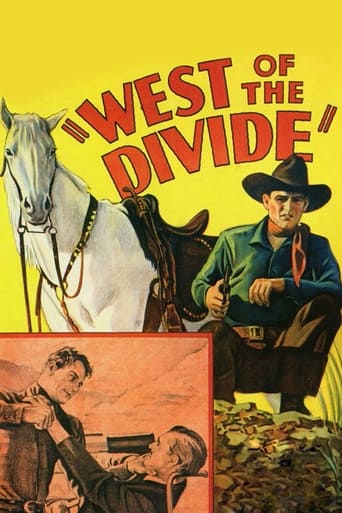
Titles linked here include Riders of Destiny (1933), West of the Divide (1934).
When was Robert N. Bradbury born and when did he die?
Born March 23, 1886; died November 24, 1949.
What awards did Robert N. Bradbury win?
Robert N. Bradbury did not receive major formal awards during his career, as he worked primarily in B-movie production. However, he is recognized by film historians for his significant contributions to the western genre and for helping launch John Wayne's career.
What was Robert N. Bradbury's directing style?
Bradbury was known for his economical and efficient directing style, maximizing production value within limited budgets. He emphasized fast-paced action, clear storytelling, and straightforward narratives that appealed to western audiences, often completing films in just a few days of shooting.