Betty Mack
Actor
Born: November 30, 1901 in Illinois, USA Died: November 5, 1980 Active: 1931-1935 Birth Name: Elizabeth McKeown
Films
1 film
About Betty Mack
American actress who worked primarily during the mid-1930s in Hollywood's B-movie circuit. Her career, though brief, spanned the crucial transition period from silent films to talkies, where she found work in various genres including Westerns, dramas, and comedies. Mack appeared in supporting roles alongside established stars of the era, often playing the female lead or significant supporting character in lower-budget productions. Her filmography, while not extensive, demonstrates the typical path of many contract players during Golden Age Hollywood who worked steadily but never achieved major stardom. After 1935, her film appearances became increasingly rare, suggesting she may have left the industry or transitioned to other forms of entertainment. Like many actresses of her era, she represents the countless supporting players who were essential to Hollywood's factory-like production system but whose stories have largely been lost to time.
The Craft
On Screen
Betty Mack's acting style was typical of the early sound era, characterized by clear enunciation and somewhat theatrical delivery that was common as actors adapted from silent film techniques. She specialized in playing the wholesome heroine or supportive female lead, often bringing a sense of earnestness and sincerity to her roles. Her performances, while not groundbreaking, were reliable and professional, meeting the expectations of B-movie audiences who valued consistency over innovation.
Milestones
- Appeared in over 20 films during her brief Hollywood career
- Starred in Western films during the genre's golden era
- Worked with prominent B-movie directors and actors of the 1930s
- Transitioned successfully from silent films to talkies
Best Known For
Iconic Roles
Must-See Films
Working Relationships
Worked Often With
Studios
Why They Matter
Impact on Culture
Betty Mack's cultural impact, while not widespread, represents the essential role that supporting actresses played in Hollywood's Golden Age. As a regular performer in Western films, she contributed to the popularization and normalization of female characters in what was traditionally a male-dominated genre. Her work helped establish archetypes for women in Westerns, from the schoolmarm to the ranch owner's daughter, roles that would be refined by later actresses. Mack's career trajectory also illustrates the precarious nature of stardom in 1930s Hollywood, where even seemingly successful careers could end abruptly due to changing industry dynamics, studio politics, or personal choice.
Lasting Legacy
Betty Mack's legacy exists primarily through the preservation of her films, which serve as valuable historical documents of early sound cinema and the Western genre's development. While she never achieved the lasting fame of contemporary stars like Mae West or Jean Harlow, her performances contribute to our understanding of the typical actress's experience during Hollywood's studio era. Film historians and classic cinema enthusiasts continue to discover her work through film archives and classic movie channels, where her performances provide insight into the acting styles and production values of mid-1930s B-movies. Her story represents the thousands of actors who formed the backbone of Hollywood's golden age but whose names have faded from popular memory.
Who They Inspired
As a supporting actress rather than a major star, Betty Mack's direct influence on subsequent generations of performers was limited. However, her work in establishing female character types in Western films contributed to the genre's evolution and provided templates that later actresses would build upon and refine. Her professional approach to acting and ability to work across different subgenres of Westerns demonstrated the versatility required of contract players during Hollywood's studio era, setting an example for the journeyman actors who would follow in her footsteps.
Off Screen
Betty Mack, born Elizabeth McKeown, maintained a relatively private personal life away from the Hollywood spotlight. Like many actresses of her era, she kept her off-screen life separate from her public persona. After her film career ended in the mid-1930s, she largely disappeared from public view, suggesting she may have married and started a family or pursued other career opportunities outside of entertainment.
Did You Know?
- Appeared in serial films, which were extremely popular in the 1930s
- Worked with a young John Wayne before he became a major star
- Her active years covered the crucial transition from silent films to talkies
- Like many actresses of her era, she was often typecast as the wholesome heroine
- Her film career lasted only five years but included over 20 film appearances
- She frequently worked for smaller studios that specialized in Western films
- Many of her films are now considered lost, a common fate for B-movies of the era
- She was part of the last generation of actors who began in silent films
- Her real name was Elizabeth McKeown, adopting 'Betty Mack' as her stage name
- She often performed her own stunts in action sequences, typical of low-budget productions
Frequently Asked Questions
Who was Betty Mack?
American actress active during the early to mid-1930s who primarily appeared in Western films and B-movies. Born Elizabeth McKeown in 1901, she worked as a contract player for smaller studios like Mascot and Monogram Pictures, often playing supporting female roles opposite leading cowboys of the era.
What films is Betty Mack best known for?
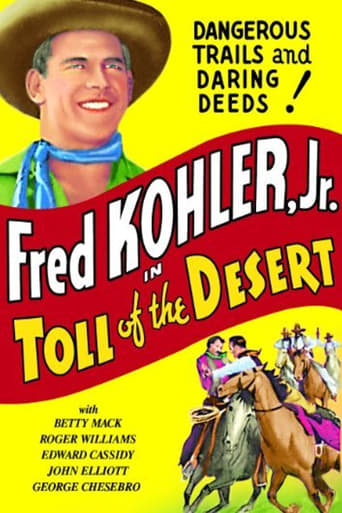
Titles linked here include Toll of the Desert (1935), The Mystery Squadron (1933).
When was Betty Mack born and when did she die?
Born November 30, 1901; died November 5, 1980.
What awards did Betty Mack win?
Betty Mack did not receive any major awards or nominations during her career. Like many supporting actors of her era who worked primarily in B-movies, her contributions to cinema went unrecognized by major award ceremonies, though her work remains valuable to film historians and classic cinema enthusiasts.
What was Betty Mack's acting style?
Betty Mack's acting style was typical of the early sound era, featuring clear enunciation and earnest performances that helped audiences adapt to talkies. She specialized in playing wholesome heroines and supportive female characters, bringing reliability and professionalism to her roles in Western films and serials.
Why did Betty Mack's career end so quickly?
Betty Mack's film career ended around 1935 after only five years in the industry, which was not uncommon for supporting actresses of the era. The reasons likely included the intense competition in Hollywood, the instability of contract player positions, and possibly personal choice to pursue a different life away from the demands of studio filmmaking.