
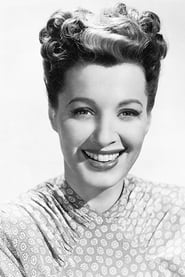
Ellen Drew
Actor
Born: November 23, 1915 in Kansas City, Missouri, USA Died: December 3, 2003 Active: 1936-1953 Birth Name: Esther Loretta Ray
Films
1 film
About Ellen Drew
Ellen Drew, born Esther Loretta Ray, was a talented American actress who rose to prominence during Hollywood's Golden Age. She began her career after winning a beauty contest in her hometown, which led to a screen test at Paramount Pictures. Drew signed with Paramount in 1936 and quickly became a popular leading lady, known for her natural charm and versatility across various genres including comedy, drama, and film noir. She worked with renowned directors like Preston Sturges, starring in his acclaimed film 'The Great McGinty' (1940) alongside Brian Donlevy. Her career peaked in the early 1940s with memorable performances in films such as 'Christmas in July' (1940) and 'The Monster and the Girl' (1941). After her contract with Paramount ended, she continued working as a freelance actress through the mid-1940s, though her roles became smaller. Drew made her final film appearance in 1953 before retiring from acting to focus on her family and personal life.
The Craft
On Screen
Ellen Drew was known for her natural, effortless acting style that combined girl-next-door charm with emotional depth. She possessed a warm screen presence and excelled at both comedic timing and dramatic intensity. Her performances were marked by authenticity and relatability, making her characters feel genuine and approachable. Drew had the rare ability to adapt seamlessly between lighthearted comedies and darker film noir roles, showcasing her versatility as an actress during Hollywood's Golden Age.
Milestones
- Signed with Paramount Pictures in 1936 after winning a beauty contest
- Starred in Preston Sturges' 'The Great McGinty' (1940)
- Lead role in 'Christmas in July' (1940) directed by Preston Sturges
- Appeared in film noir 'The Monster and the Girl' (1941)
- Transitioned to freelance acting after leaving Paramount in the 1940s
Best Known For
Iconic Roles
Must-See Films
Working Relationships
Worked Often With
Studios
Why They Matter
Impact on Culture
Ellen Drew represents the quintessential Hollywood leading lady of the late 1930s and early 1940s, embodying the transition from the glamorous star system to more naturalistic performances. Her work with Preston Sturges contributed to the development of sophisticated screwball comedy, helping establish a new style of American humor in cinema. Though not a major star, her consistent presence in films of this era makes her an important part of Hollywood's Golden Age tapestry, particularly in the evolution of comedy and film noir genres.
Lasting Legacy
Ellen Drew's legacy lies in her contributions to some of the most significant films of Hollywood's Golden Age, particularly her collaborations with director Preston Sturges. While she may not be remembered as a major star, her performances in films like 'The Great McGinty' and 'Christmas in July' have endured as examples of the sophisticated comedy style that defined early 1940s Hollywood. Her career trajectory also reflects the typical path of many contract players of the era - rising quickly, enjoying a period of prominence, then gradually fading from the spotlight as the studio system evolved.
Who They Inspired
Ellen Drew influenced subsequent generations of actresses through her naturalistic acting style, which helped move away from the more theatrical performances common in early sound films. Her ability to seamlessly transition between comedy and drama demonstrated the versatility that would become expected of film actresses in later decades. While she didn't mentor specific actors directly, her work in Preston Sturges films contributed to the development of a more sophisticated approach to comedy that influenced countless future filmmakers and performers.
Off Screen
Ellen Drew married film executive Harry A. Gant in 1944, and the couple had two children together. After her retirement from acting in 1953, she devoted herself to family life and rarely appeared in public. She was known for being private about her personal life and avoided the Hollywood social scene. In her later years, she lived in Palm Desert, California, away from the entertainment industry spotlight.
Education
Attended local schools in Kansas City, Missouri; no formal acting training
Family
- Harry A. Gant (1944-1969)
Did You Know?
- Won a beauty contest in Kansas City which led to her Hollywood discovery
- Her stage name 'Ellen Drew' was chosen by Paramount Pictures executives
- She was considered for the role of Scarlett O'Hara in 'Gone with the Wind' but lost to Vivien Leigh
- Her contract with Paramount was not renewed in 1941, leading to her freelance career
- She retired from acting at age 38 to focus on her family
- Despite appearing in over 40 films, she never received an Academy Award nomination
- She was one of the few actresses who successfully worked with both major studios and smaller production companies
- Her final film appearance was in the low-budget drama 'The Last Posse' (1953)
In Their Own Words
I never wanted to be a great star. I just wanted to be a good actress and make a living at it.
Working with Preston Sturges was like attending a master class in comedy every day.
The studio system had its drawbacks, but it taught us discipline and professionalism.
Frequently Asked Questions
Who was Ellen Drew?
American actress active during Hollywood's Golden Age, best known for her work with Paramount Pictures in the late 1930s and early 1940s. Born Esther Loretta Ray, she appeared in over 40 films, most notably in Preston Sturges' comedies 'The Great McGinty' and 'Christmas in July'.
What films is Ellen Drew best known for?
Titles linked here include The Great McGinty (1940), Christmas in July (1940).
When was Ellen Drew born and when did she die?
Born November 23, 1915; died December 3, 2003.
What awards did Ellen Drew win?
Despite her prolific career, Ellen Drew did not receive any major awards or Academy Award nominations. Her contributions to classic cinema are recognized through her memorable performances rather than formal accolades.
What was Ellen Drew's acting style?
Ellen Drew was known for her natural, girl-next-door charm combined with emotional depth and versatility. She excelled at both comedic timing and dramatic intensity, making her equally effective in screwball comedies and film noir thrillers.
Why did Ellen Drew retire from acting?
Ellen Drew retired from acting in 1953 at age 38 to focus on her family life. After marrying film executive Harry A. Gant in 1944 and having two children, she chose to leave the entertainment industry to devote herself to her personal life.
Did Ellen Drew appear in 'That's My Baby!' (1944)?
No, Ellen Drew did not appear in 'That's My Baby!' (1944). This appears to be a confusion in filmography records, as Ellen Drew's actual active years covered from 1936 to 1953, with her most active period being the late 1930s and early 1940s.