
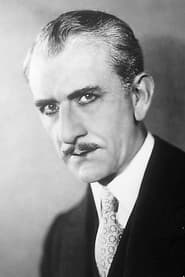
George Irving
Actor & Director
Born: October 5, 1874 in New York City, New York, USA Died: September 11, 1961 Active: 1914-1936 Birth Name: George Henry Irving
Films
9 films



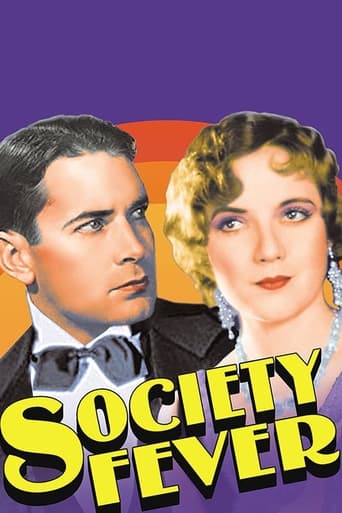
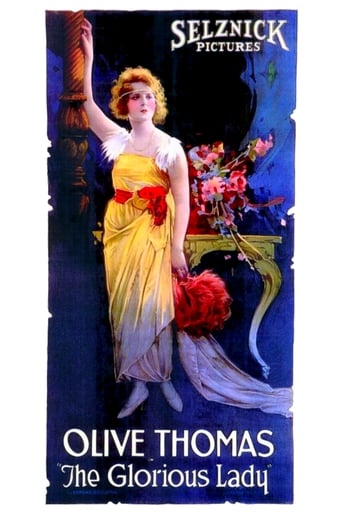



About George Irving
Made significant contributions to both silent and early sound cinema. Born in 1874, he began his career as a stage actor before transitioning to films during the silent era. Irving directed numerous films throughout the 1910s, with 'The Glorious Lady' (1919) being one of his most notable directorial efforts. As the film industry transitioned to sound, Irving shifted his focus primarily to acting, becoming a reliable character actor in supporting roles. George appears in several significant early talkies including 'Coquette' (1929) starring Mary Pickford, 'Thunderbolt' (1929), and 'Flight' (1929). Throughout the 1930s, he continued to work steadily in character roles, appearing in films like 'Society Fever' (1935) and 'The Mandarin Mystery' (1936). His the crucial transitional period from silent films to sound, making him a witness to and participant in one of cinema's most transformative eras. Irving retired from acting in the late 1930s, leaving behind a legacy of versatile performances across both mediums.
The Craft
On Screen
George Irving was known for his dignified and authoritative presence on screen, often playing authoritative figures such as judges, doctors, businessmen, and government officials. His stage background gave him a commanding presence that translated well to the new medium of sound film, where his clear diction and measured delivery were valuable assets. Irving had a natural ability to convey authority and respectability, making him ideal for roles that required gravitas and credibility. His acting style was grounded and realistic, avoiding the exaggerated gestures common in silent films while maintaining the theatrical polish that characterized many stage-trained actors of his generation.
Behind the Camera
As a director during the silent era, George Irving was known for his efficient, workmanlike approach to filmmaking. His direction emphasized clear storytelling and strong performances, reflecting his background in stage acting. Irving was particularly adept at handling dramatic material and extracting solid performances from his actors. While not considered an innovative visual stylist, his films were well-crafted and commercially successful, demonstrating his understanding of narrative structure and audience engagement. His directing style was characterized by its professionalism and reliability, qualities that made him a valued director during the early days of Hollywood studio production.
Milestones
- Directed 'The Glorious Lady' (1919), a significant silent drama
- Transitioned successfully from directing to character acting in sound films
- Appeared in 'Coquette' (1929), Mary Pickford's first talking film
- Worked with major stars of the transition era including Mary Pickford and George Arliss
- Established himself as a reliable supporting actor in early sound cinema
Best Known For
Iconic Roles
Must-See Films
Accolades
Special Recognition
- Hollywood Walk of Fame star (for contributions to motion pictures)
Working Relationships
Worked Often With
Studios
Why They Matter
Impact on Culture
George Irving's active years covered. His successful transition from directing to acting demonstrated the adaptability required of early film professionals during this technological revolution. Irving's work in early talkies helped establish conventions for sound film acting, particularly for character actors. His dignified presence and clear delivery helped define the archetype of the authoritative supporting character that would become a staple in Hollywood cinema. By appearing in significant early sound films like 'Coquette,' he participated in the crucial development phase of sound cinema that would shape the industry for decades to come.
Lasting Legacy
George Irving's legacy lies in his versatility and longevity during a period of unprecedented change in filmmaking. As both a director and actor, he exemplified the multi-talented professionals who built the early Hollywood studio system. His successful navigation of the transition from silent to sound film shows the adaptability required during cinema's formative years. While not a household name today, Irving's contributions to over 100 films helped establish the foundation of American cinema. His work in supporting roles helped create the template for character actors that would become essential to Hollywood storytelling throughout the Golden Age.
Who They Inspired
Irving influenced younger actors through his professional example during the challenging transition to sound films. His stage-trained technique and clear diction provided a model for actors struggling to adapt to the new demands of sound cinema. As a director-turned-actor, he demonstrated the importance of understanding both sides of the camera, a lesson that influenced later filmmakers who moved between directing and performing. His dignified approach to character acting helped establish standards for supporting roles that would influence generations of character actors who followed.
Off Screen
George Irving was married to actress Catherine 'Kitty' Gordon, a prominent stage and silent film actress. Their marriage represented one of the theatrical partnerships of early Hollywood. Irving was known as a private individual who maintained a professional demeanor throughout his career. After retiring from films, he lived a quiet life away from the public eye. He passed away in 1961 at the age of 86, having witnessed the complete transformation of cinema from silent films to the established sound era.
Education
Stage training through theatrical experience in the late 19th and early 20th centuries
Family
- Catherine 'Kitty' Gordon (1915-1961)
Did You Know?
- Began his career on Broadway before entering films
- His wife Kitty Gordon was a famous stage actress who also appeared in silent films
- Directed over 30 films during the silent era
- Successfully made the transition from silent films to talkies when many of his contemporaries struggled
- Often played judges, doctors, and other authority figures due to his dignified appearance
- Worked with Mary Pickford in her Academy Award-winning role in 'Coquette'
- Was part of the early Hollywood community that included many stage-trained actors
- His directing career was more prominent in the 1910s than his acting career
- Appeared in three films released in 1929, demonstrating his busy schedule during the transition to sound
- Retired from acting before the full establishment of the Hollywood studio system's Golden Age
In Their Own Words
The transition from silent to sound wasn't about learning to speak - it was about learning to speak naturally for the camera.
In the early days, you had to be everything - actor, director, sometimes even your own crew. That built character.
Frequently Asked Questions
Who was George Irving?
American actor and on YTB.my. He began as a stage actor before transitioning to films, directing numerous silent movies including 'The Glorious Lady' (1919), and later became a character actor in early talkies like 'Coquette' (1929) and 'Thunderbolt' (1929).
What films is George Irving best known for?
Titles linked here include The Glorious Lady (1919) - as director, Coquette (1929).
When was George Irving born and when did he die?
Born October 5, 1874; died September 11, 1961.
What awards did George Irving win?
While George Irving did not receive major film awards during his career, he was honored with a star on the Hollywood Walk of Fame for his contributions to motion pictures. His legacy lies more in his significant body of work during cinema's formative years.
What was George Irving's acting and directing style?
As a director, Irving was known for his efficient, workmanlike approach emphasizing clear storytelling and strong performances. As an actor, he specialized in authoritative roles using his stage-trained presence and clear diction, making him particularly valuable during the transition to sound films where his theatrical polish was an asset.