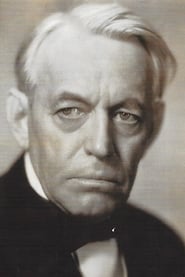
Lloyd Ingraham
Actor & Director
Born: November 30, 1874 in Rochelle, Illinois, USA Died: April 4, 1956 Active: 1912-1942
Films
8 films
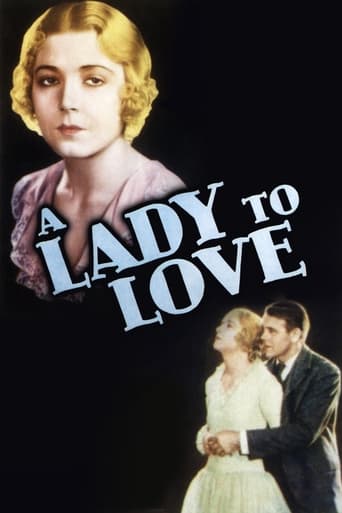
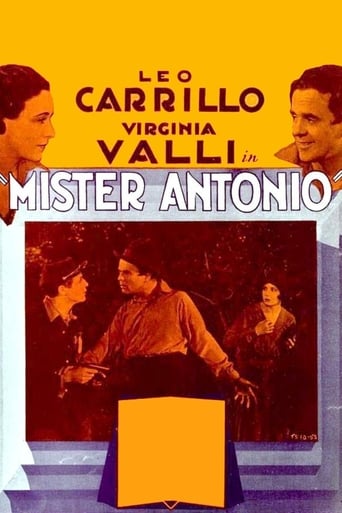
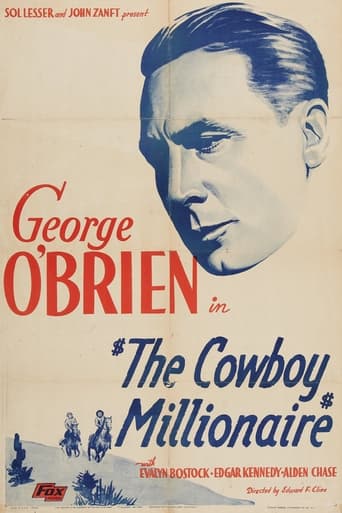
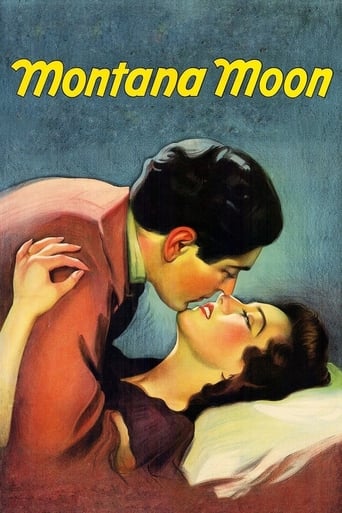
About Lloyd Ingraham
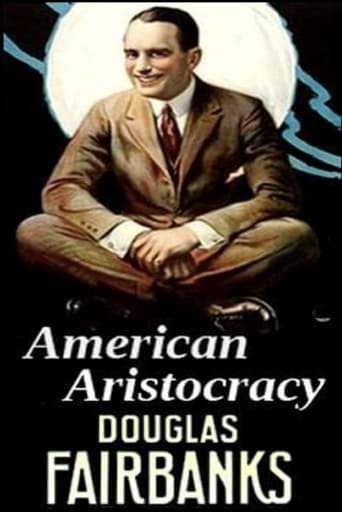
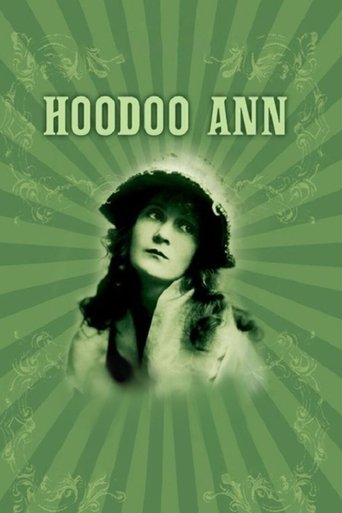
Made significant contributions to early Hollywood cinema during the silent era and transition into sound films. Born in Illinois in 1874, Ingraham began his career as a stage actor before transitioning to motion pictures in the early 1910s. He initially gained recognition as a director, working with filmmakers like D.W. Griffith and directing notable stars including Mary Pickford in films such as 'Hoodoo Ann' (1916) and 'American Aristocracy' (1916). After his directing career concluded in the late 1910s, Ingraham focused primarily on acting, appearing in over 200 films throughout his career and becoming one of Hollywood's most reliable character actors. He specialized in portraying authority figures including judges, doctors, military officers, and other dignified roles, bringing a natural gravitas to each performance. Ingraham successfully navigated the transition from silent films to talkies, continuing his prolific acting career through the 1930s and into the early 1940s before retiring from the film industry.
The Craft
On Screen
Lloyd Ingraham developed a distinctive acting style characterized by his naturalistic portrayal of authority figures. His performances were marked by a dignified presence and understated delivery that brought authenticity to his roles as judges, doctors, and military officers. Ingraham's approach was rooted in his stage experience, which gave him a commanding presence that translated well to the screen. He had the ability to convey authority and wisdom through subtle facial expressions and measured dialogue delivery, making him a reliable supporting actor who could elevate any scene with his presence.
Behind the Camera
As a director during the silent era, Lloyd Ingraham employed a clear narrative approach that emphasized character development and emotional storytelling. His directing style was influenced by his work with D.W. Griffith, incorporating techniques that helped establish visual storytelling conventions in early cinema. Ingraham demonstrated particular skill in directing melodramas and light comedies, working effectively with actors to extract natural performances. His films often featured strong character arcs and emotional resonance, with careful attention to pacing and visual composition that was advanced for the period.
Milestones
- Directed Mary Pickford in multiple films during her early career
- Appeared in D.W. Griffith's controversial but historically significant films 'The Birth of a Nation' and 'Intolerance'
- Successfully transitioned from directing to acting career
- Appeared in over 200 films during his 30-year career
- Became typecast as authority figures in Hollywood's Golden Age
Best Known For
Iconic Roles
Must-See Films
Working Relationships
Worked Often With
Studios
Why They Matter
Impact on Culture
Lloyd Ingraham's cultural impact lies in his dual contributions to early American cinema as both a director and character actor. As a director, he participated in the formative years of Hollywood narrative cinema, working alongside pioneers like D.W. Griffith and helping establish visual storytelling techniques that would influence generations of filmmakers. His collaboration with Mary Pickford during her early career contributed to the development of her star persona and the star system itself. As an actor, Ingraham helped establish the archetype of the dignified authority figure in Hollywood cinema, a character type that would become ubiquitous in American films. His extensive filmography provides a valuable record of the transition from silent films to talkies, documenting the evolution of acting styles and film production techniques during this crucial period.
Lasting Legacy
Lloyd Ingraham's legacy in film history is that of a versatile and reliable craftsman who contributed significantly to early Hollywood both behind and in front of the camera. His directorial work, though less remembered than his acting career, represents an important contribution to the development of narrative cinema during the silent era. As an actor, his prolific career spanning over 200 films makes him a representative figure of the working character actor who formed the backbone of Hollywood's Golden Age. Ingraham's ability to successfully transition from directing to acting, and from silent films to talkies, exemplifies the adaptability required to survive in the rapidly changing film industry of the early 20th century. Today, film historians study his work as an example of the typical career trajectory of early Hollywood professionals and his films serve as valuable artifacts of cinematic history.
Who They Inspired
Lloyd Ingraham influenced subsequent generations of character actors through his establishment of the authority figure archetype in Hollywood cinema. His naturalistic approach to playing judges, doctors, and military officers set a standard that many later actors would emulate. His work with D.W. Griffith contributed to the development of film language that would influence countless directors. While he may not have directly mentored famous filmmakers or actors, his consistent professionalism and adaptability during the transition to sound films provided a model for other silent era actors facing similar challenges.
Off Screen
Despite his prolific career in Hollywood, Lloyd Ingraham maintained a relatively private personal life. He was married and had children, though specific details about his family life are not extensively documented in historical records. Unlike many of his contemporaries, Ingraham avoided the Hollywood social scene and focused primarily on his craft. He lived in Los Angeles during his active years in the film industry and remained there until his death in 1956 at the age of 81.
Education
Information about Lloyd Ingraham's formal education is not widely documented in historical records, though his theatrical training and stage experience suggest he may have received dramatic training or education in the performing arts prior to his film career.
Did You Know?
- Lloyd Ingraham appeared in both of D.W. Griffith's most controversial epics: 'The Birth of a Nation' (1915) and 'Intolerance' (1916)
- He directed Mary Pickford in three films: 'Hoodoo Ann' (1916), 'The Foundling' (1916), and 'American Aristocracy' (1916)
- Despite directing several notable films, he abandoned his directing career by 1917 to focus exclusively on acting
- He appeared in over 200 films during his 30-year career, making him
- Ingraham often played the same type of authority figure roles across different films, leading to typecasting but steady employment
- He successfully made the transition from silent films to talkies, unlike many of his contemporaries
- His final film appearance was in 'The Man Who Walked Alone' in 1945, though he was uncredited
- He was frequently cast in Westerns during the 1930s, often playing judges or Army officers
- Ingraham worked with virtually every major studio in Hollywood during his career
- His stage background before entering films gave him a commanding presence that served him well in his authority figure roles
Frequently Asked Questions
Who was Lloyd Ingraham?
American actor and on YTB.my. He began as a director working with D.W. Griffith and Mary Pickford, then transitioned to a prolific acting career appearing in over 200 films, often as authority figures like judges and military officers.
What films is Lloyd Ingraham best known for?
Titles linked here include The Birth of a Nation (1915), Intolerance (1916).
When was Lloyd Ingraham born and when did he die?
Born November 30, 1874; died April 4, 1956.
What awards did Lloyd Ingraham win?
Despite his extensive career in Hollywood, Lloyd Ingraham did not receive any major awards or nominations during his lifetime. His contributions were primarily as a reliable character actor and early film director rather than as an award-winning performer.
What was Lloyd Ingraham's acting and directing style?
As a director, Ingraham employed clear narrative storytelling with emphasis on character development, influenced by his work with D.W. Griffith. As an actor, he specialized in dignified authority figures with a naturalistic, understated style that brought authenticity to his roles as judges, doctors, and military officers.
How did Lloyd Ingraham transition from directing to acting?
Ingraham directed films primarily between 1914-1917, working with major stars like Mary Pickford. By 1917, he had largely abandoned directing to focus on acting, possibly finding more steady employment as a character actor. He successfully made this transition and appeared in films for another 25 years.
Did Lloyd Ingraham work in both silent films and talkies?
Yes, Ingraham successfully worked in both eras of cinema. He began his career during the silent film era and successfully transitioned to sound films in the late 1920s, continuing his acting career through the 1930s and early 1940s, appearing in his final film in 1945.