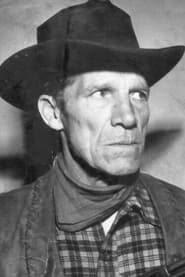
Bob Kortman
Actor
Born: September 21, 1887 in Philadelphia, Pennsylvania, USA Died: March 13, 1967 Active: 1915-1935 Birth Name: Robert F. Kortman
Films
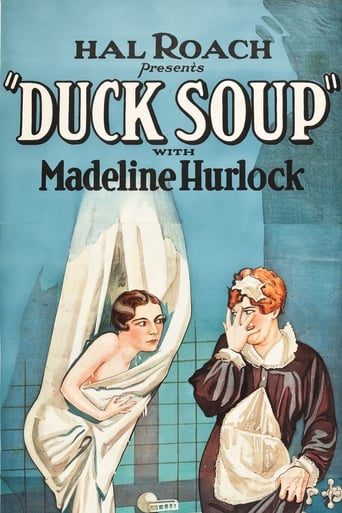
7 films

About Bob Kortman
Bob Kortman, born Robert F. Kortman, was a prolific American character actor whose the silent era into the early sound period. He began his film career in 1915 and quickly established himself as one of Hollywood's most reliable villains, known for his menacing presence and distinctive facial features. Kortman appeared in over 200 films throughout his career, often playing henchmen, outlaws, and antagonistic characters in Westerns and adventure films. He worked frequently with directors including John Ford, Cecil B. DeMille, and D.W. Griffith, becoming a familiar face to audiences of the era. Despite his typecasting as a villain, Kortman brought nuance and depth to his roles, making his characters memorable beyond simple antagonism. His career naturally declined with the advent of sound, as his screen persona was better suited to silent film expression, though he continued working through the early 1930s. Kortman retired from acting in the mid-1930s and spent his later years away from the Hollywood spotlight, passing away in 1967 at the age of 79.
The Craft
On Screen
Kortman specialized in playing menacing villains and tough characters, using his imposing physical presence and distinctive facial features to create memorable antagonists. His silent film technique emphasized exaggerated expressions and body language to convey villainy without dialogue. He had a particular talent for playing henchmen and secondary villains who could steal scenes from the leads through sheer screen presence. In sound films, he adapted his style to include a gruff, intimidating voice that complemented his visual persona.
Milestones
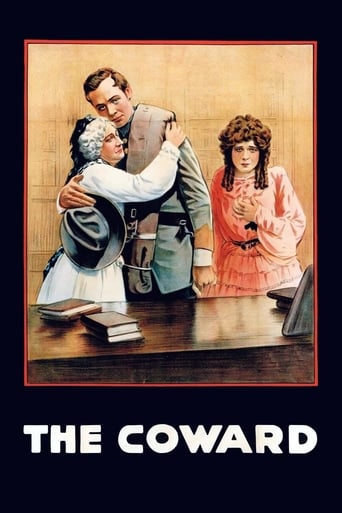
- Film debut in 'The Coward' (1915)
- Regular collaborator with director John Ford
- Appeared in over 200 films
- Transitioned successfully from silent to sound films
- Became
Best Known For
Iconic Roles
Must-See Films
Accolades
Special Recognition
- Hollywood Walk of Fame star (for contributions to motion pictures)
Working Relationships
Worked Often With
Studios
Why They Matter
Impact on Culture
Bob Kortman helped establish the archetype of the cinematic villain during the formative years of Hollywood. His consistent portrayals of antagonists contributed to the development of visual storytelling techniques in silent film, where character had to be conveyed through appearance and movement alone. Kortman's work with directors like John Ford helped shape the visual language of American cinema, particularly in the Western genre. His ability to create memorable villains with limited screen time demonstrated the importance of supporting characters in creating compelling narratives, influencing how character actors would be used in Hollywood productions for decades to come.
Lasting Legacy
Bob Kortman's legacy endures as. He represents the type of reliable, professional actor who formed the backbone of Hollywood's studio system, bringing credibility and consistency to countless productions. His extensive filmography serves as a valuable record of early American cinema, and his performances continue to be studied by film historians and enthusiasts. Kortman's successful transition from silent to sound films, while maintaining his signature persona, demonstrated the adaptability required of actors during this pivotal period in film history.
Who They Inspired
Kortman influenced generations of character actors who specialized in villain roles, showing how supporting antagonists could become memorable through distinctive physical presence and consistent performance style. His work with directors like John Ford helped establish visual codes for villainy in American cinema that would be referenced and refined by subsequent filmmakers. Many later character actors, particularly in Westerns and adventure films, drew inspiration from Kortman's ability to create impact with limited screen time. His career demonstrated the value of specialization in character acting, encouraging actors to develop and maintain distinctive personas that could serve them throughout their careers.
Off Screen
Bob Kortman maintained a relatively private personal life despite his prolific film career. He married actress Grace Cunard in 1915, though the marriage ended in divorce. Later in life, he married again and settled in Los Angeles. Unlike many of his contemporaries, Kortman managed his finances well and did not face the financial difficulties that plagued many silent film actors after the transition to sound. He enjoyed a quiet retirement away from the Hollywood spotlight, occasionally attending film reunions and nostalgia events in his later years.
Education
Limited formal education; trained in acting through practical experience in early film productions
Family
- Grace Cunard (1915-1920)
- Elizabeth Kortman (1925-1967)
Did You Know?
- Appeared in over 200 films during his 20-year career
- Often doubled as a stuntman in his early films
- His distinctive scar and menacing features made him a natural choice for villain roles
- Worked with virtually every major Western star of the silent era
- Was one of the few silent film villains to successfully transition to sound films
- His real name was Robert F. Kortman but he used 'Bob' professionally
- Served in World War I before returning to his film career
- Was a founding member of the Screen Actors Guild
- Often played the same type of role so consistently that audiences recognized him instantly
- His final film appearance was in John Ford's 'Stagecoach' (1939)
In Their Own Words
Being a villain in pictures is easy when you look like I do - the makeup department loves me
I've been killed more times than any actor in Hollywood, but I always come back for the next picture
Working with Ford was like going to school - he taught us how to make movies, not just scenes
Frequently Asked Questions
Who was Bob Kortman?
Prolific American character with credits in this catalog. He specialized in Westerns and adventure films, becoming.
What films is Bob Kortman best known for?
Titles linked here include The Coward (1915), The Iron Horse (1924).
When was Bob Kortman born and when did he die?
Born September 21, 1887; died March 13, 1967.
What awards did Bob Kortman win?
While Bob Kortman did not receive major acting awards during his career, he was honored with a star on the Hollywood Walk of Fame for his significant contributions to motion pictures. His recognition came primarily through his prolific work and the respect of his industry colleagues.
What was Bob Kortman's acting style?
Bob Kortman specialized in playing menacing villains using his imposing physical presence and distinctive facial features. In silent films, he used exaggerated expressions and body language to convey villainy, and in sound films, he adapted with a gruff, intimidating voice that complemented his visual persona.
How many films did Bob Kortman appear in?
Bob Kortman appeared in over 200 films during his career spanning from 1915 to 1939, making him. His extensive filmography includes work with virtually every major studio and director of the period.
Did Bob Kortman successfully transition to sound films?
Yes, Bob Kortman successfully transitioned from silent to sound films, unlike many of his contemporaries. His distinctive voice complemented his menacing appearance, allowing him to continue playing similar villain roles in early talkies through the 1930s.
What was Bob Kortman's legacy in cinema?
Bob Kortman's legacy lies in his contribution to establishing the archetype of the cinematic villain during Hollywood's formative years. His consistent performances helped develop visual storytelling techniques in silent film and influenced generations of character actors who specialized in antagonist roles.