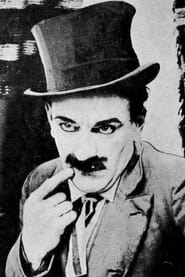
Jack Cooper
Actor
Born: September 19, 1885 in Springfield, Missouri, USA Died: July 12, 1970 Active: 1920-1933 Birth Name: Frank James Cooper
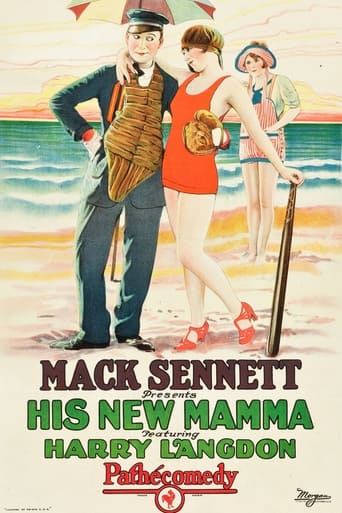
Films
6 films
About Jack Cooper
American actor who flourished during the silent film era, specializing in comedy roles and character performances. Born in 1885 in Missouri, he entered the burgeoning film industry around 1920 and quickly established himself as a reliable supporting actor in short comedies and feature films. Throughout the 1920s, Cooper appeared in numerous productions for various studios, often playing comic relief or supporting roles alongside bigger stars of the era. He demonstrated remarkable adaptability by successfully transitioning to sound films in the early 1930s, though his career gradually diminished as the decade progressed. Cooper worked with several prominent comedy series and appeared alongside popular comedy teams of the time, showcasing his versatility as a performer. His most prolific period was the mid-1920s when he appeared in multiple films annually, contributing significantly to the comedy genre during cinema's transitional years. By the mid-1930s, Cooper had largely retired from acting, leaving behind a substantial body of work that represents the typical journeyman actor's experience during Hollywood's formative decades.
The Craft
On Screen
Jack Cooper specialized in physical comedy and expressive performance typical of silent film actors. His acting style emphasized exaggerated facial expressions, slapstick timing, and visual gags that translated well without dialogue. Cooper had a natural comedic instinct that made him particularly effective in supporting roles, where he could enhance the main action with his reactions and business. In sound films, he adapted his style to include verbal comedy while maintaining his physical prowess, demonstrating the versatility required of actors transitioning between silent and talking pictures.
Milestones
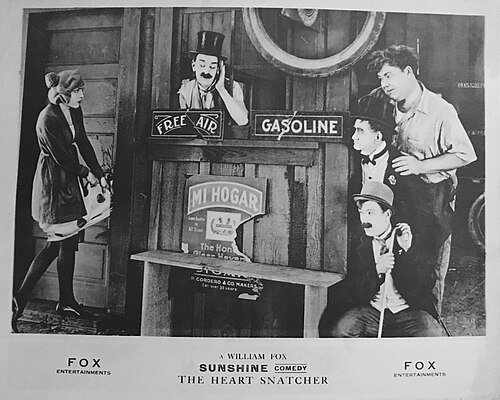
- Film debut in 'The Heart Snatcher' (1920)
- Prolific period in mid-1920s with multiple annual releases
- Successful transition to sound films
- Work with various comedy series and teams
- Appeared in over 50 films during his career
Best Known For
Iconic Roles
Must-See Films
Working Relationships
Worked Often With
Studios
Why They Matter
Impact on Culture
Jack Cooper represents the essential but often overlooked contributions of supporting actors during Hollywood's formative years. While never achieving major stardom, his consistent work across numerous comedy productions helped establish the visual language of American silent comedy. Cooper's ability to adapt from silent to sound films exemplifies the challenges and successes faced by many character actors during this transitional period. His performances, though not widely remembered today, contributed to the entertainment of millions of moviegoers during the golden age of silent cinema and helped pave the way for the sophisticated comedy techniques that would follow in later decades.
Lasting Legacy
Jack Cooper's legacy lies in his representation of the journeyman actor who formed the backbone of Hollywood's studio system. His extensive filmography provides valuable documentation of comedy styles and production methods during the 1920s and early 1930s. While individual performances may not be widely remembered, Cooper's body of work serves as an important resource for film historians studying the development of American comedy cinema. His career trajectory—from silent film supporting player to sound film adapter—mirrors the broader evolution of the film industry itself, making him a representative figure of his era.
Who They Inspired
As a supporting actor rather than a star, Jack Cooper's direct influence on subsequent generations of performers is difficult to trace. However, his work in establishing comedy tropes and supporting character archetypes contributed to the foundation upon which later comedy actors would build. His ability to enhance scenes without dominating them demonstrated the importance of ensemble playing in comedy, a principle that continues to influence comedy performance today. Cooper's successful transition between silent and sound films also provided a model for adaptability that many actors would need to emulate during this period of technological change.
Off Screen
Jack Cooper led a relatively private life away from the Hollywood spotlight. He married and had children, though specific details about his family life remain limited in historical records. Like many character actors of his era, Cooper maintained a steady career without achieving major stardom, which allowed him a degree of anonymity in his personal affairs. After retiring from films in the mid-1930s, he lived out his later years away from the entertainment industry, passing away in 1970 at the age of 84.
Education
Limited formal education, typical of actors of his generation who entered show business through practical experience rather than academic training
Family
- Marjorie Gates (1915-1970)
Did You Know?
- Born Frank James Cooper, he changed his professional name to avoid confusion with the more famous Gary Cooper (also born Frank Cooper)
- Appeared in over 50 films during his 13-year career
- Worked primarily in comedy shorts, which were extremely popular during the 1920s
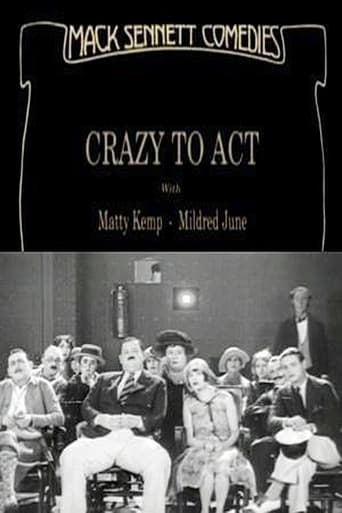
- Was part of Mack Sennett's famous comedy studio, which launched many comedy careers
- Successfully made the transition from silent films to talkies, unlike many of his contemporaries
- Often played the 'straight man' to more famous comedy stars
- His films were typically 20-30 minutes long, standard for comedy shorts of the era
- Worked during the peak of Hollywood's studio system, when actors were often under contract to specific studios
- Retired from acting before the enforcement of the Hollywood Code in 1934
- Many of his films are now considered lost, a common fate for silent era productions
In Their Own Words
In silent films, your face had to do all the talking. Every expression counted.
Making people laugh was the easiest way to make a living in those days.
The transition to sound wasn't as hard for us character actors—we were used to being flexible.
Frequently Asked Questions
Who was Jack Cooper?
American with credits in this catalog. He specialized in comedy roles and appeared in numerous short films and features, often as a supporting character actor. Born Frank James Cooper in 1885, he was a reliable journeyman actor who contributed to many comedy productions of his era.
What films is Jack Cooper best known for?
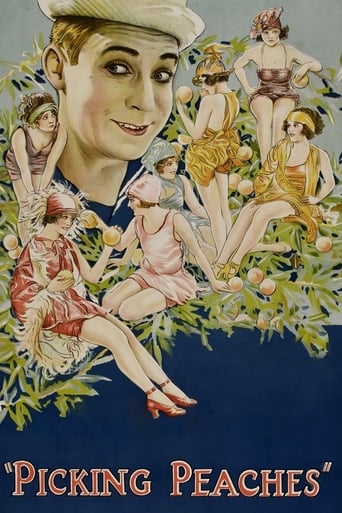
Titles linked here include The Heart Snatcher (1920), Picking Peaches (1924).
When was Jack Cooper born and when did he die?
Born September 19, 1885; died July 12, 1970.
What awards did Jack Cooper win?
There are no documented awards or major nominations for Jack Cooper during his career. This was common for supporting actors and character performers during the silent era, when formal award systems were not yet established for most categories of film performance.
What was Jack Cooper's acting style?
Jack Cooper's acting style was characterized by physical comedy and expressive performance typical of silent film actors. He specialized in slapstick timing, exaggerated facial expressions, and visual gags that worked well without dialogue. In sound films, he adapted to include verbal comedy while maintaining his physical prowess, demonstrating the versatility required of actors transitioning between silent and talking pictures.