
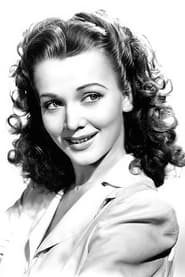
Carole Landis
Actor
Born: January 1, 1919 in Fairchild, Wisconsin, USA Died: July 5, 1948 Active: 1937-1948 Birth Name: Frances Lillian Mary Ridste
Films
2 films

About Carole Landis
Carole Landis, born Frances Lillian Mary Ridste, was a vibrant and talented American actress and singer who rose to stardom during Hollywood's Golden Age. She began her career as a nightclub singer and extra in the late 1930s, gradually working her way up to larger roles in B-movies. Her breakthrough came with the fantasy adventure film 'One Million B.C.' (1940), where her striking beauty and physical presence earned her the nickname 'The Ping Girl' and 'The Chest.' Throughout the early 1940s, Landis became a popular pin-up girl and starred in numerous films including comedies, musicals, and film noirs like 'Topper Returns' (1941) and 'I Wake Up Screaming' (1941). During World War II, she devoted considerable time to entertaining troops, traveling extensively with the USO and writing about her experiences in her book 'Four Jills in a Jeep.' Despite her professional success and popularity, Landis struggled with personal demons and a tumultuous love life. Her career was cut tragically short when she died by suicide at age 29 in 1948, leaving behind a legacy as one of Hollywood's most promising but tragic stars of the 1940s.
The Craft
On Screen
Carole Landis was known for her energetic and vivacious screen presence, often playing the spirited, attractive leading lady in comedies and musicals. Her acting style was characterized by a natural charm and charisma that translated well to both dramatic and comedic roles. She had a particular talent for physical comedy and wasn't afraid to engage in slapstick elements when the role required it. In her dramatic roles, particularly in film noir, she demonstrated a ability to convey vulnerability and strength simultaneously, creating complex female characters who were more than just pretty faces. Her background as a singer and dancer added versatility to her performances, allowing her to handle musical numbers with ease.
Milestones
- Breakthrough role in 'One Million B.C.' (1940)
- Starred in the hit comedy 'Topper Returns' (1941)
- Lead role in film noir 'I Wake Up Screaming' (1941)
- Extensive USO tours during WWII entertaining troops
- Broadway debut in 'A Lady Takes a Chance' (1942)
- Published autobiography 'Four Jills in a Jeep' (1943)
- Became a major pin-up girl during WWII era
Best Known For
Iconic Roles
Must-See Films
Accolades
Special Recognition
- Hollywood Walk of Fame star at 1765 Vine Street
Working Relationships
Worked Often With
Studios
Why They Matter
Impact on Culture
Carole Landis made a significant cultural impact as one of the leading pin-up girls of World War II, alongside Betty Grable and Lana Turner. Her image boosted morale among American soldiers, and her extensive USO tours demonstrated her commitment to supporting the war effort beyond mere entertainment. As one of the few actresses of her era to write about her experiences, she provided valuable insight into Hollywood's role during wartime. Landis also challenged traditional gender roles by taking initiative in her career, writing columns, and pursuing business opportunities. Her tragic death at a young age contributed to the mythology of Hollywood's dark side, becoming part of the larger narrative about the pressures and pitfalls of fame during the Golden Age.
Lasting Legacy
Carole Landis's legacy endures as a symbol of both Hollywood glamour and tragedy. She is remembered as a talented actress who never quite achieved the top-tier stardom her talent and beauty deserved, partly due to being typecast in B-movies and her untimely death. Film historians often cite her as an example of the studio system's limitations and the personal costs of fame. Her work with the USO and her writings about the experience have become valuable historical documents about celebrity involvement in WWII. Today, she is celebrated by classic film enthusiasts for her vibrant performances in films like 'Topper Returns' and 'I Wake Up Screaming,' and her story serves as a cautionary tale about the mental health challenges faced by performers in the entertainment industry.
Who They Inspired
Carole Landis influenced subsequent generations of actresses through her determination to control her own career narrative, writing columns and books that gave her agency over her public image. Her willingness to perform for troops set a precedent for celebrity involvement in military support that continues today. Her performances in film noir helped establish the archetype of the femme fatale with underlying vulnerability. Though she didn't live to see it, her openness about the difficulties of Hollywood life paved the way for later actresses to speak more candidly about industry pressures. Her tragic story has influenced numerous biographies and documentaries about Hollywood's golden age, serving as a reminder of the human cost behind the glamour.
Off Screen
Carole Landis had a turbulent personal life marked by multiple marriages and troubled relationships. She married five times, with her marriages often ending in divorce due to her career ambitions and personal struggles. Her most notable relationship was with married actor Rex Harrison, with whom she had a passionate affair that ended tragically just before her death. Landis was known for her intelligence and wit, often writing her own newspaper columns and articles. She was deeply devoted to supporting the war effort during WWII, spending months entertaining troops overseas. Despite her glamorous public image, she battled depression and financial difficulties in her final years.
Education
Attended public schools in Wisconsin and San Francisco, but did not pursue higher education as she began working at a young age to support her family.
Family
- Willis Hunt Jr. (1934-1934)
- George Burns (1934-1935)
- Jerome 'Jerry' B. Cohn (1935-1939)
- Horace G. Schmidlapp (1943-1945)
- W. Horace Schmidlapp (1945-1948)
Did You Know?
- Was nicknamed 'The Ping Girl' by 20th Century Fox because of her popularity with soldiers
- Spoke fluent Norwegian, learned from her Norwegian-born mother
- Was a natural brunette but dyed her hair blonde for her film career
- Wrote a regular newspaper column called 'Carole Landis Says' during WWII
- Traveled over 100,000 miles entertaining troops during WWII
- Her birth name was Frances Lillian Mary Ridste but she took the stage name 'Carole' after actress Carole Lombard
- Was an accomplished painter and sculptor in her private time
- Once worked as a hat check girl and elevator operator before her acting career
- Had a distinctive four-octave singing voice that was rarely showcased in films
- Her final film 'Behind Green Lights' was released posthumously
In Their Own Words
I've been a movie star for six years and I've never been so lonely in my life.
I'd rather be a first-rate me than a second-rate somebody else.
Hollywood is a place where they'll pay you a thousand dollars for a kiss and fifty cents for your soul.
When you're a star, they let you do it. You can do anything. But you pay for it.
The USO tours were the most important work I ever did. Those boys were fighting for our freedom.
Frequently Asked Questions
Who was Carole Landis?
American actress and singer who rose to fame during Hollywood's Golden Age in the late 1930s and 1940s. She was known for her roles in films like 'One Million B.C.' and 'Topper Returns,' and became a popular pin-up girl during World War II.
What films is Carole Landis best known for?
Titles linked here include One Million B.C. (1940), Topper Returns (1941).
When was Carole Landis born and when did she die?
Born January 1, 1919; died July 5, 1948.
What awards did Carole Landis win?
While Carole Landis did not win major acting awards during her lifetime, she received a Hollywood Walk of Fame star at 1765 Vine Street in recognition of her contributions to film. Her greatest recognition came from her popularity with audiences and troops during WWII.
What was Carole Landis's acting style?
Carole Landis was known for her energetic and vivacious screen presence, excelling in both comedic and dramatic roles. She had natural charm and charisma, with particular talent for physical comedy and the ability to portray complex female characters who combined vulnerability with strength.