Behind Green Lights
"Green light, blackmail corpse"
Keys: Space play/pause · ←/→ 10s · F fullscreen · M mute · </> speed
About this film
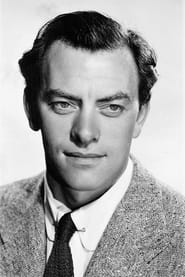
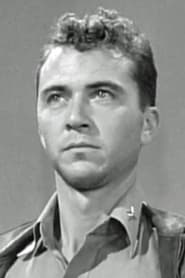
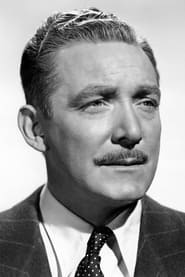
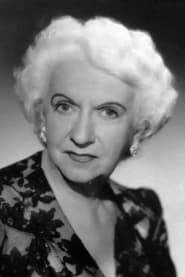
Police investigate when blackmailing private eye Myron Kell is found dead and mayoral candidate's daughter Janet Bradley becomes suspect in this 1946 film noir directed by Otto Brower.
Cast & crew
More films like this
More Crime films
View all →

More from Otto Brower
View all →
More about this film
About the production
Release dateApril 20, 1946
ProductionRepublic Pictures
Filmed inRepublic Studios, Hollywood, California
Behind Green Lights was produced by Republic Pictures, a studio known primarily for B-movies and westerns, but which occasionally ventured into film noir territory. The film was shot in approximately 18 days on a modest budget typical of Republic's productions. Director Otto Brower was known for his efficiency in bringing films in on time and under budget. The film's title refers to the interrogation rooms in police stations, which were typically lit with green fluorescent lights.
Themes
Political corruptionInstitutional distrustJustice vs. corruptionPost-war cynicismMoral ambiguity
Themes & topics
murderpolitical corruptionblackmailinvestigationelectionpolice proceduralframe-upbody switchingmayoral campaigncover-updetectivenoircrimesuspensemystery
Historical background
Behind Green Lights was a PRC quickie noir riding post-war crime film demand.
Why this film matters
Behind Green Lights represents the B-movie side of film noir, showing how the genre permeated all levels of Hollywood production. While not as celebrated as the A-list noirs of its era, the film exemplifies how noir themes and visual style became mainstream enough for budget-conscious studios like Republic to invest in them. The movie contributes to the noir tradition of exploring urban corruption and the lone individual standing against systemic evil. It also reflects the post-war fascination with psychological complexity and moral ambiguity. The film's focus on political corruption anticipated the Red Scare and McCarthyism that would soon dominate American politics. As a Republic Pictures production, it demonstrates how the studio system allowed even smaller studios to participate in major cinematic movements, contributing to the diversity and richness of Hollywood's golden age.
Making of
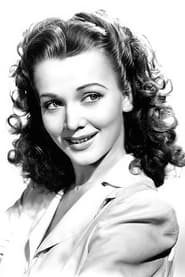
Behind Green Lights was filmed during a transitional period for Hollywood, as the studio system was beginning to face challenges from television and changing audience tastes. Director Otto Brower, known primarily for his work in westerns, brought his efficient, no-nonsense approach to the noir genre. Carole Landis, who had been a major star during the war years, was in the process of transitioning her career as the studio system evolved. The film's production was typical of Republic Pictures' approach - fast-paced, economical, and focused on delivering genre entertainment to audiences hungry for post-war entertainment. The limited budget meant the production relied heavily on studio sets and location shooting was minimal. The film's compact 64-minute runtime reflects both economic constraints and the B-movie formula of delivering maximum entertainment in minimum time.
What critics said
Noir collectors enjoy its brevity and twists; not top-tier but serviceable B mystery.
Did you know?
- This was one of Carole Landis's final film roles before her tragic death in 1948 at age 29.
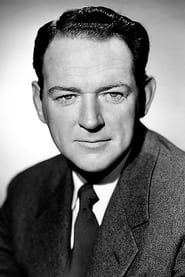
- William Gargan, who plays Lieutenant Carson, was a popular character actor who had previously played private detectives in other films.
- The film was part of Republic Pictures' attempt to compete with major studios in the film noir genre.
- Director Otto Brower was known for directing over 100 films, mostly westerns and action pictures.
- The movie's runtime of just 64 minutes was typical of Republic Pictures' B-movie productions.
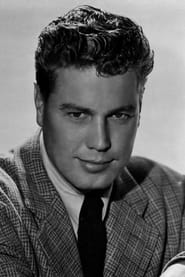
- Richard Crane, who plays Janet Bradley's love interest, would later become famous for his role in the TV series 'Rocky Jones, Space Ranger'.
- The film was released just months after the end of World War II, reflecting post-war cynicism and corruption themes common in film noir.
- Despite its short runtime, the film manages to pack in multiple plot twists and noir conventions.
- The movie was sometimes marketed under the alternative title 'The Case of the Missing Corpse' in some regions.
- Republic Pictures typically focused on westerns, making this noir entry somewhat unusual for their catalog.
Visual style
The cinematography by Jack Greenhalgh employs classic noir techniques within the constraints of Republic Pictures' budget. Greenhalgh uses low-key lighting and dramatic shadows to create the mood of urban menace characteristic of film noir. The interrogation scenes, referenced in the title, feature stark lighting that emphasizes the psychological tension of the proceedings. While the film lacks the elaborate set designs of major studio noirs, Greenhalgh makes effective use of limited studio sets, using camera angles and lighting to create depth and atmosphere. The nighttime scenes feature high-contrast lighting that silhouettes characters against dark backgrounds, enhancing the sense of mystery and danger. Greenhalgh's work demonstrates how noir visual style could be achieved effectively even on a modest budget.
Innovations
As a B-movie production, Behind Green Lights doesn't feature major technical innovations, but it demonstrates how Republic Pictures maximized their limited resources. The film's efficient 64-minute runtime presents the studio's ability to deliver complete narratives within tight time constraints. The production team made effective use of existing studio sets and props, creating visual variety through creative cinematography rather than expensive set construction. The film's sound recording, typical of Republic's productions, was clean and effective despite budget limitations. The movie works as an example of how the studio system could produce genre films quickly and efficiently while maintaining professional technical standards.
Music
The musical score for Behind Green Lights was composed by Mort Glickman, Republic Pictures' house composer who worked on many of their productions. Glickman's score follows the conventions of film noir music, using jazz-influenced themes and dissonant harmonies to underscore the film's tense atmosphere. The music emphasizes the urban setting with saxophone solos and brass arrangements that evoke the mood of a dark city night. While the score doesn't break new ground musically, it effectively supports the film's narrative and emotional beats. Republic Pictures typically reused musical cues across productions, and some of Glickman's themes for may have appeared in other Republic releases from the same period.
Famous quotes
In this town, the truth is what people with power say it is.
Every politician has a skeleton in his closet. The trick is finding the right closet.
Justice is blind, but in this city, she's also deaf and dumb.
You can't fight city hall, but you can sure try to expose it.
The dead tell no tales, but their bodies can tell plenty if you know how to listen.
Memorable scenes
- The opening sequence where the private investigator's body is discovered in his car, setting the mystery in motion with classic noir atmosphere.
- The tense interrogation room scenes under the green lights, where Lieutenant Carson questions suspects and pieces together the conspiracy.
- The climactic confrontation where Carson exposes the body-switching scheme and confronts the corrupt political figures.
- The scene where Janet Bradley realizes she's being framed and must rely on Carson to uncover the truth.
- The midnight meeting between conspirators where they discuss covering up the murder, showcasing the film's themes of political corruption.
What audiences thought
Audiences in 1946 responded positively to Behind Green Lights, particularly those who enjoyed crime dramas and film noir. The film's release timing was advantageous, as movie theaters were experiencing post-war attendance booms. The compact 64-minute runtime made it an attractive option for double bills, which were common during this period. While the film didn't break box office records, it performed respectably for a Republic Pictures B-movie. Modern audiences discovering the film through film noir retrospectives and classic film channels have generally found it to be an entertaining, if minor, example of the genre. The film's straightforward plotting and classic noir elements have made it accessible to contemporary viewers less familiar with the more complex noirs of the era.
Film connections
Influenced by
- The Maltese Falcon (1941)
- Double Indemnity (1944)
- The Big Sleep (1946)
- Phantom Lady (1944)
- Murder, My Sweet (1944)
This film influenced
- The Street with No Name (1948)
- He Walked by Night (1948)
- The Naked City (1948)
- Union Station (1950)
- The Big Combo (1955)
Film restoration
Behind Green Lights has survived and is preserved in various film archives. The film exists in its complete form and has been transferred to digital formats for preservation purposes. While it hasn't received a major restoration, the surviving prints are generally in good condition for a film of its age and budget level. The movie is part of Republic Pictures' library that has changed ownership multiple times and is currently held by Paramount Pictures, which acquired the Republic catalog. The film's survival is notable given that many B-movies from this period have been lost due to neglect or deterioration.
Where to watch
- Available on various classic film streaming platforms
- Occasionally airs on Turner Classic Movies
- Available for digital purchase or rental on Amazon Prime Video
- Included in some film noir DVD collections
- Accessible through classic movie streaming services specializing in public domain films