
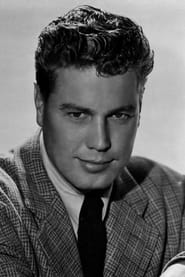
Richard Crane
Actor
Born: June 6, 1918 in New Castle, Indiana, USA Died: March 9, 1969 Active: 1946-1969 Birth Name: Richard O. Crane
Films
1 film
About Richard Crane
Richard O. Crane — American actor whose nearly three decades in Hollywood, primarily known for his work in film noir, B-movies, and early television. Born in 1918 in Indiana, Crane began his film career in the mid-1940s, quickly establishing himself as a reliable character actor and occasional leading man. His rugged good looks and straightforward acting style made him particularly well-suited for roles as detectives, military officers, and adventurers. Throughout the late 1940s and 1950s, he appeared in dozens of films, often in supporting roles but occasionally as the lead. His most famous role came in 1954 when he starred as the title character in the television series 'Rocky Jones, Space Ranger,' one of the early space adventure shows that predated the science fiction boom of the 1960s. As the studio system declined and television became more prominent, Crane transitioned successfully to the small screen, appearing in numerous Westerns and drama series throughout the 1950s and 1960s. Despite never achieving major stardom, he maintained a steady career until his death in 1969 at the age of 50, leaving behind a legacy as a familiar face in classic American film and television.
The Craft
On Screen
Richard Crane was known for his straightforward, no-nonsense acting style that emphasized authenticity and reliability. He brought a rugged masculinity to his roles, often playing characters who were competent, professional, and slightly world-weary. His delivery was direct and unadorned, fitting well with the film noir genre's emphasis on realism and grit. Crane had a natural screen presence that allowed him to convincingly portray authority figures such as police detectives and military officers, while his athletic build served him well in action sequences and adventure roles.
Milestones
- Film debut in 'Behind Green Lights' (1946)
- Leading role in 'The Black Widow' (1947)
- Supporting role in film noir 'The Man Who Cheated Himself' (1950)
- Starred as Rocky Jones in the television series 'Rocky Jones, Space Ranger' (1954)
- Numerous television appearances throughout the 1950s and 1960s
- Military service in Army Air Corps during World War II
Best Known For
Iconic Roles
Must-See Films
Working Relationships
Worked Often With
Studios
Why They Matter
Impact on Culture
Richard Crane's contribution to American cinema lies primarily in his work during the golden age of film noir and the early days of television science fiction. While never a major star, his consistent presence in dozens of films helped define the aesthetic of post-war American cinema, particularly in the crime and noir genres. His role as Rocky Jones was particularly significant as one of the first space adventure heroes on television, predating more famous science fiction franchises and helping establish conventions that would later become staples of the genre. The show was also technically innovative for its time, being filmed rather than broadcast live, which allowed for more elaborate special effects and location shooting.
Lasting Legacy
Richard Crane's legacy is that of the quintessential Hollywood character actor – a reliable professional who elevated every production he appeared in through sheer competence and screen presence. Today, he is remembered primarily by film noir enthusiasts and early television historians who recognize his contribution to these important genres. His work in 'Rocky Jones, Space Ranger' has gained cult status among science fiction fans, with the series being preserved and occasionally screened at retro television festivals. While his name may not be widely recognized by modern audiences, his performances continue to be appreciated by those who study the evolution of American film and television.
Who They Inspired
Crane's straightforward, no-nonsense approach to acting influenced the archetype of the American action hero in post-war cinema. His portrayal of competent, professional characters helped establish a template that would be followed by many actors in subsequent decades. In the realm of television science fiction, his work as Rocky Jones paved the way for later space adventure series, demonstrating that audiences would respond to serialized space-based storytelling. His career trajectory from film to television also exemplified the broader shift in the entertainment industry during the 1950s, making him a representative figure of this transitional period in American media.
Off Screen
Richard Crane married actress Rita Lynn (also known as Rita Lynn Crane), and the couple had children together. He served in the Army Air Corps during World War II before beginning his acting career, which may have influenced his frequent casting in military roles. Despite being a working actor for over two decades, Crane managed to maintain a relatively private personal life away from the Hollywood spotlight. His death at age 50 in 1969 came as a surprise to many in the industry, cutting short a career that, while never reaching A-list status, had been consistently productive.
Education
Limited public information about formal education; likely attended local schools in New Castle, Indiana before pursuing acting
Family
- Rita Lynn (married 1948-1969)
Did You Know?
- Served in the Army Air Corps during World War II before his acting career
- Appeared in over 50 films and television shows throughout his career
- 'Rocky Jones, Space Ranger' was unusual for its time as it was filmed rather than broadcast live
- Often typecast as detectives and military officers due to his authoritative screen presence
- His active years covered the transition from the studio system to independent television production
- Despite being the star of a TV series, he continued to appear in films throughout the 1950s
- His death at age 50 cut short a career that was still active at the time
- Never received major awards or critical acclaim but was consistently employed as a working actor
- His film noir roles have been rediscovered and appreciated by modern film historians
- Married actress Rita Lynn, who occasionally appeared with him in films
In Their Own Words
In an interview about 'Rocky Jones, Space Ranger': 'Playing a space hero is different from playing a detective. In space, you have to think about the future, not just solve crimes that have already happened.'
On his film noir roles: 'The best noir characters are always walking that fine line between right and wrong. That's what makes them interesting to watch.'
Frequently Asked Questions
Who was Richard Crane?
American with credits in this catalog. He appeared in over 50 films and TV shows, with his most famous role being the star of 'Rocky Jones, Space Ranger' in 1954.
What films is Richard Crane best known for?
Titles linked here include Behind Green Lights (1946), The Black Widow (1947).
When was Richard Crane born and when did he die?
Born June 6, 1918; died March 9, 1969.
What awards did Richard Crane win?
Richard Crane did not receive major awards or nominations during his career. As a character actor primarily working in B-movies and television, he was not typically recognized by major award organizations, though he maintained steady employment throughout his career.
What was Richard Crane's acting style?
Crane was known for his straightforward, no-nonsense acting style characterized by direct delivery and authentic performances. He specialized in playing competent professionals like detectives and military officers, bringing a rugged masculinity and world-weary authenticity to his roles, particularly in film noir productions.