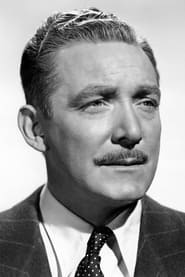
Roy Roberts
Actor
Born: March 19, 1906 in Tampa, Florida, USA Died: November 28, 1975 Active: 1932-1975 Birth Name: Roy Barnes Jones
Films
2 films

About Roy Roberts
Prolific American character actor: over four decades in Hollywood's Golden Age and beyond. Born Roy Barnes Jones in Tampa, Florida, he began his acting career in the 1930s after working as a radio announcer and insurance salesman. Roberts quickly established himself as a reliable supporting actor, specializing in authoritative roles such as police chiefs, judges, military officers, and business executives. His distinctive baritone voice and commanding presence made him a favorite among directors seeking believable authority figures. Throughout his career, he appeared in more than 900 films and television productions, becoming one of Hollywood's most recognizable character actors. Roberts worked consistently through the 1950s and 1960s, transitioning seamlessly from film to television as the industry evolved. His later years saw him continue working until his death in 1975, leaving behind an extensive body of work that showcased his versatility and professionalism.
The Craft
On Screen
Roberts was known for his natural, authoritative acting style that brought authenticity to roles of authority figures. His deep, resonant voice and imposing physical presence made him particularly convincing as police chiefs, judges, military officers, and corporate executives. He employed a straightforward, no-nonsense approach to his characters, avoiding theatricality in favor of realistic portrayals that grounded the productions in which he appeared.
Milestones
- Film debut in 'The Woman in the Case' (1936)
- Signed contract with Warner Bros. In the 1940s
- Transitioned successfully to television in the 1950s
- Appeared in over 900 film and television productions
- Became one of Hollywood's most recognizable character actors
- Regular performer on 'The Andy Griffith Show' as Mayor Stoner
Best Known For
Iconic Roles
Must-See Films
Accolades
Special Recognition
- Hollywood Walk of Fame star (located at 6427 Hollywood Blvd)
Working Relationships
Worked Often With
Studios
Why They Matter
Impact on Culture
Roy Roberts became an integral part of Hollywood's character actor tradition, representing the backbone of Golden Age cinema with his consistent, reliable performances. His face became synonymous with authority in American popular culture, appearing in countless films and television shows that defined mid-20th century American entertainment. Roberts contributed to the authenticity of countless productions by bringing gravitas and credibility to his supporting roles, often elevating otherwise standard characters through his professional presence.
Lasting Legacy
Roy Roberts' legacy is that of one of Hollywood's most prolific and dependable character actors, whose work spans the transition from the Golden Age of cinema to the television era. His extensive filmography shows the importance of supporting actors in creating believable cinematic worlds. Future generations of character actors look to his career as an example of how to build a lasting career through reliability, versatility, and professional excellence.
Who They Inspired
Roberts influenced the archetype of the authority figure in American film and television, helping to establish the visual and performative standards for roles such as police chiefs, judges, and military officers. His naturalistic approach to these characters influenced subsequent generations of character actors who sought to bring authenticity to similar roles. His successful transition from film to television demonstrated how character actors could adapt to changing industry dynamics while maintaining their artistic integrity.
Off Screen
Roberts was married to Barbara M. Roberts, and they remained together until his death. He was known as a dedicated family man who maintained a stable personal life despite the demands of his prolific career. Outside of acting, he was described as a quiet, unassuming person who enjoyed fishing and golf. He lived in the San Fernando Valley during his later years and was well-respected by his colleagues for his professionalism and reliability on set.
Education
Limited information available; likely completed basic education in Tampa, Florida before beginning his career in radio
Family
- Barbara M. Roberts (married until his death in 1975)
Did You Know?
- Appeared in over 900 films and television shows during his career
- Began his entertainment career as a radio announcer
- Worked as an insurance salesman before entering acting
- His distinctive voice made him a popular choice for authority figures
- Often played characters much older than his actual age
- Never received top billing but was consistently employed throughout his career
- Was a favorite of director William Castle
- Appeared in three different Frank Capra films
- His final film appearance was in 'The Big Bus' (1976), released after his death
- Was known for being
In Their Own Words
I'm not a star, I'm a working actor. There's a difference.
You don't have to be the lead to be important to a picture.
Every character, no matter how small, serves the story. That's what matters.
Frequently Asked Questions
Who was Roy Roberts?
Screen credits include over 900 films and television productions from the 1930s through the 1970s. He was best known for playing authority figures such as police chiefs, judges, and military officers, becoming one of Hollywood's most recognizable supporting actors during the Golden Age of cinema.
What films is Roy Roberts best known for?
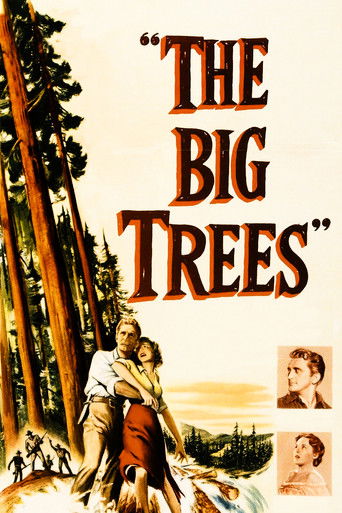
Titles linked here include Behind Green Lights (1946), The Big Trees (1952).
When was Roy Roberts born and when did he die?
Born March 19, 1906; died November 28, 1975.
What awards did Roy Roberts win?
Despite his extensive career and contributions to film and television, Roy Roberts did not receive major industry awards during his lifetime. However, he was honored with a star on the Hollywood Walk of Fame, located at 6427 Hollywood Blvd, recognizing his significant impact on the entertainment industry.
What was Roy Roberts' acting style?
Roy Roberts was known for his natural, authoritative acting style that brought authenticity to roles of authority figures. His deep, resonant voice and imposing presence made him particularly convincing as police chiefs, judges, and military officers. He employed a straightforward, realistic approach that avoided theatricality in favor of believable portrayals.
How many films did Roy Roberts appear in?
Roy Roberts appeared in more than 900 films and television productions throughout his career, making him. His extensive filmography spans from the 1930s through the mid-1970s, showcasing his remarkable longevity and consistency as a working actor.