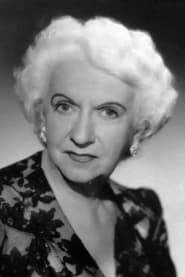
Mabel Paige
Actor
Born: December 19, 1880 in New York City, New York, USA Died: February 9, 1954 Active: 1914-1946
Films
2 films

About Mabel Paige
American character actress who enjoyed a remarkably long career spanning from the silent era into the sound period of Hollywood. Born in New York City in 1880, she began her film career in the early 1910s, appearing in silent shorts and features. Throughout her three-decade career, she established herself as a reliable character actress, frequently cast in maternal roles as mothers, aunts, and housekeepers. Paige successfully navigated the challenging transition from silent films to talkies in the late 1920s, adapting her acting style to accommodate sound technology. She worked steadily through the Great Depression and World War II years, appearing in over 100 films, though many of her later roles were uncredited. By the 1940s, she had become a familiar face to movie audiences, bringing warmth and authenticity to every supporting role she undertook. Her final film appearances came in the mid-1940s, after which she retired from acting, leaving behind a legacy of memorable character performances.
The Craft
On Screen
Naturalistic character acting specializing in warm, maternal roles with an understated yet effective approach that brought authenticity and emotional depth to supporting characters
Milestones
- Began acting in silent films in the 1910s
- Successfully transitioned to sound films in the late 1920s
- Appeared in over 100 films throughout her career
- Specialized in maternal roles as mothers, aunts, and housekeepers
- Worked steadily through the Great Depression and WWII years
- Maintained a career spanning over three decades
Best Known For
Iconic Roles
Must-See Films
Working Relationships
Studios
Why They Matter
Impact on Culture
Mabel Paige represents the essential but often overlooked character actors who formed the backbone of Hollywood's golden age. As a performer who worked through the pivotal transition from silent to sound films, she exemplifies the adaptability required of actors during this transformative period in cinema history. Her consistent portrayals of maternal figures provided emotional grounding and authenticity to countless films, creating a sense of familiarity and comfort for audiences. Paige's career demonstrates how character actors contributed to the richness of classic cinema, filling out the worlds of major productions with believable, relatable supporting characters that enhanced the overall narrative impact.
Lasting Legacy
Mabel Paige's legacy lies in her contribution to the fabric of classic Hollywood cinema as a reliable character actress who brought depth and authenticity to supporting roles. Her ability to work consistently for over three decades, adapting to technological changes and evolving audience tastes, showcases the professionalism and dedication of character actors of her era. While she never achieved stardom, her numerous appearances in both silent and sound films make her an integral part of Hollywood's golden age. Paige represents the countless unsung heroes of cinema whose work, though often uncredited, was essential to the success and emotional resonance of classic films. Her career shows the importance of character actors in creating believable cinematic worlds.
Who They Inspired
As a character actress, Mabel Paige's influence was subtle but significant, setting an example for future generations of character actors in how to bring authenticity and warmth to supporting roles. Her naturalistic acting style and ability to create memorable characters even in brief appearances demonstrated the impact that well-portrayed supporting roles could have on a film's overall success. Her longevity in the industry showed the value of reliability and professionalism for character actors working within the studio system. While she may not have directly mentored specific individuals, her body of work continues to serve as inspiration for actors specializing in character roles, particularly those portraying maternal figures.
Off Screen
Limited information is available about Mabel Paige's personal life, as was common for character actors of her era who were not major celebrities. She was born and raised in New York City before eventually moving to Hollywood to pursue her film career. She spent her final years in Woodland Hills, Los Angeles, where she passed away in 1954 at the age of 73.
Did You Know?
- Had a career spanning over 30 years, from the silent era into the sound era
- Appeared in more than 100 films throughout her career
- Was often typecast in maternal roles, playing mothers and housekeepers
- Successfully made the transition from silent films to talkies
- Many of her later roles were uncredited, common for character actors of her era
- Continued working well into her 60s
- Born in New York City during the early days of American film production
- Her final film appearances coincided with the end of the studio system era
- Represented the type of reliable character actress that studios depended on
- Likely began her career in theater before moving to films
- Was part of the transition team that helped Hollywood adapt to sound technology
Frequently Asked Questions
Who was Mabel Paige?
American character actress who worked in films from the silent era through the 1940s. She was known for playing maternal roles, often appearing as mothers, aunts, or housekeepers in both leading and supporting capacities throughout her three-decade career.
What films is Mabel Paige best known for?
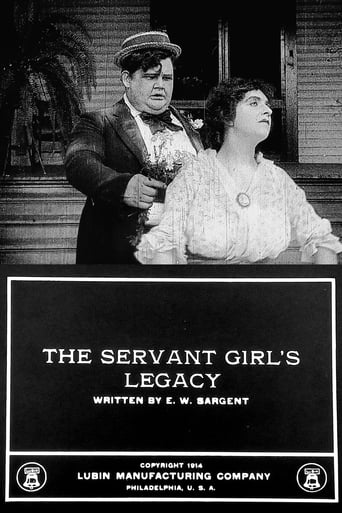
Titles linked here include The Servant Girl's Legacy (1914), Behind Green Lights (1946).
When was Mabel Paige born and when did she die?
Born December 19, 1880; died February 9, 1954.
What awards did Mabel Paige win?
There are no records of Mabel Paige receiving major awards or nominations for her work. Like many character actors of her era, her contributions were recognized through steady employment rather than formal accolades, and she was valued for her reliability and versatility in supporting roles.
What was Mabel Paige's acting style?
Mabel Paige was known for her naturalistic approach to character acting, specializing in warm, maternal roles. Her style was understated yet effective, bringing authenticity and emotional depth to the supporting characters she portrayed, making even brief appearances memorable and impactful.
How did Mabel Paige transition from silent to sound films?
Mabel Paige successfully navigated the challenging transition from silent films to talkies in the late 1920s, adapting her acting style to accommodate sound technology. Her ability to make this transition demonstrated her versatility as an actress and contributed to her longevity in the industry.
What was Mabel Paige's contribution to classic cinema?
Mabel Paige contributed to classic cinema as a reliable character actress who brought authenticity and emotional depth to supporting roles. Her consistent portrayals of maternal figures provided emotional grounding to countless films, and her career spanning from silent to sound films exemplifies the adaptability required of actors during Hollywood's transformative years.