
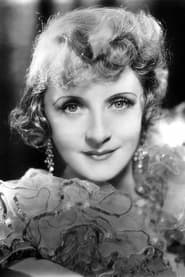
Billie Burke
Actor
Born: August 7, 1884 in Washington, D.C., United States Died: May 14, 1970 Active: 1916-1960 Birth Name: Mary William Ethelbert Appleton Burke
Films
3 films

About Billie Burke
Billie Burke, born Mary William Ethelbert Appleton Burke, was an American actress active from the silent era through the Golden Age of Hollywood. She began her career as a Broadway star in the early 1910s, becoming a sensation in the Ziegfeld Follies before transitioning to films in 1916. Her marriage to Broadway producer Florenz Ziegfeld Jr. In 1914 made her one of New York's most prominent socialites. Burke successfully navigated the transition from silent films to talkies, developing a distinctive screen persona characterized by her high-pitched, breathy voice and fluttery, eccentric mannerisms. Her most role came as Glinda the Good Witch in 'The Wizard of Oz' (1939), which cemented her place in cinema history. Throughout the 1930s and 1940s, she became typecast as wealthy, scatterbrained but lovable society women in numerous comedies. Despite suffering a stroke in 1947 that temporarily ended her career, she made a remarkable comeback and continued acting in films and television until her death in 1970.
The Craft
On Screen
Burke developed a unique acting style centered around her distinctive high-pitched, breathy voice and fluttery mannerisms. She specialized in portraying eccentric, wealthy society women with a combination of sophistication and scatterbrained charm. Her comedic timing was exceptional, often delivering lines with a sense of delightful confusion that endeared her to audiences. In dramatic roles, she brought warmth and maternal qualities, particularly evident as Glinda. Her physical comedy included graceful, bird-like movements and expressive facial gestures that became her trademark.
Milestones
- Broadway debut in 'The Runaway Girl' (1911)
- Marriage to Florenz Ziegfeld Jr. (1914)
- Transition to films with 'Peggy' (1916)
- Academy Award nomination for 'Merrily We Live' (1938)
- Iconic role as Glinda in 'The Wizard of Oz' (1939)
- Topper film series success (1937-1941)
- Television comeback in the 1950s
Best Known For
Iconic Roles
Must-See Films
Accolades
Won
- Hollywood Walk of Fame Star (1960)
Nominated
- Academy Award for Best Supporting Actress for 'Merrily We Live' (1938)
Special Recognition
- Star on the Hollywood Walk of Fame at 6201 Hollywood Boulevard
- Inducted into the American Theatre Hall of Fame
- Featured on US postage stamp as part of Legends of Hollywood series (2009)
Working Relationships
Worked Often With
Studios
Why They Matter
Impact on Culture
Billie Burke's portrayal of Glinda the Good Witch created one of cinema's most enduring and beloved characters, influencing generations of fantasy films and becoming a cultural touchstone. Her distinctive voice and mannerisms helped define the archetype of the eccentric, wealthy society woman in 1930s and 1940s comedies. As one of the few silent era stars to successfully transition to talkies, she demonstrated how theatrical training could enhance film performance. Her work in the Topper series helped popularize supernatural comedy as a film genre. Beyond her screen work, as Ziegfeld's widow, she helped preserve and promote the legacy of American musical theater.
Lasting Legacy
Billie Burke's legacy endures through her iconic performance as Glinda, which remains one of cinema's most recognized and quoted characters. She represents the successful transition from stage to screen that many performers of her era struggled to achieve. Her comedic style influenced generations of actresses playing similar 'ditzy but lovable' characters. The Topper films in which she starred continue to be celebrated as classics of supernatural comedy. Her autobiography 'With a Feather on My Nose' (1949) provides valuable insights into early Hollywood and Broadway history. Burke's career longevity, spanning nearly five decades, exemplifies the adaptability required for sustained success in show business.
Who They Inspired
Burke's distinctive vocal delivery and physical comedy influenced subsequent comedic actresses, particularly in portraying high-society characters. Her success in both dramatic and comedic roles demonstrated the value of versatility for character actors. The warmth and kindness she brought to Glinda set a standard for benevolent magical characters in fantasy films. Her ability to maintain relevance through changing cinematic eras, from silent films through the television age, provided a model for career longevity. Many actresses who followed, including Eve Arden and Thelma Ritter, built upon Burke's template of the wisecracking, sophisticated side character.
Off Screen
Billie Burke married legendary Broadway producer Florenz Ziegfeld Jr. In 1914, becoming one of New York's most celebrated couples. Their marriage lasted until Ziegfeld's death in 1932, and Burke never remarried, though she had a close relationship with actor Charles 'Buddy' Rogers in her later years. She was known for her extravagant lifestyle and was a prominent figure in New York and Hollywood society. After Ziegfeld's financial losses during the Great Depression, Burke returned to acting to support herself and their daughter. She was a devoted mother and maintained close relationships with Hollywood colleagues throughout her life.
Education
Educated in London and Paris, studied acting under various drama coaches in Europe and America
Family
- Florenz Ziegfeld Jr. (1914-1932)
Did You Know?
- Was originally offered the role of Dorothy Gale in 'The Wizard of Oz' but felt she was too old at 55
- Her distinctive voice was once described as sounding like 'a tinkling bell',
- She was a direct descendant of Pocahontas through her mother's line
- Lost most of her fortune in the 1929 stock market crash, forcing her return to acting
- Her feathered boa collection was legendary in Hollywood, with over 200 pieces
- She was one of the first stars to successfully transition from Broadway to Hollywood
- Despite her 'ditzy' screen persona, she was known as a shrewd businesswoman in real life
- She appeared in over 80 films during her career
- Her daughter Patricia was named after the theater where she met Ziegfeld
- She was a close friend of fellow eccentric actress ZaSu Pitts
In Their Own Words
'There's no place like home' (as Glinda in The Wizard of Oz, though often misattributed to Dorothy)
'You've always had the power, my dear. You just had to learn it for yourself.' (as Glinda)
'I'm a little dizzy but I think I can manage.' (common quote reflecting her screen persona)
'Hollywood is a place where they'll pay you a thousand dollars for a kiss and fifty cents for your soul.'
'Age is something that doesn't matter unless you're a cheese.'
Frequently Asked Questions
Who was Billie Burke?
Celebrated American actress who began her career on Broadway before becoming a Hollywood star. She is best known for her distinctive high-pitched voice and her iconic role as Glinda the Good Witch in 'The Wizard of Oz' (1939). Her active years covered from the silent era through the 1950s, during which she appeared in over 80 films.
What films is Billie Burke best known for?
Titles linked here include The Wizard of Oz (1939), Topper (1937).
When was Billie Burke born and when did she die?
Born August 7, 1884; died May 14, 1970.
What awards did Billie Burke win?
Billie Burke received an Academy Award nomination for Best Supporting Actress for 'Merrily We Live' (1938) and was honored with a star on the Hollywood Walk of Fame in 1960. She was also inducted into the American Theatre Hall of Fame and featured on a US postage stamp as part of the Legends of Hollywood series in 2009.
What was Billie Burke's acting style?
Billie Burke developed a unique acting style characterized by her high-pitched, breathy voice and fluttery mannerisms. She specialized in playing eccentric, wealthy society women with a combination of sophistication and comedic confusion. Her physical comedy included graceful movements and expressive gestures that became her trademark, while she brought warmth and maternal qualities to dramatic roles like Glinda.
Was Billie Burke married to Florenz Ziegfeld?
Yes, Billie Burke married legendary Broadway producer Florenz Ziegfeld Jr. In 1914. Their marriage made her one of New York's most prominent socialites, and they remained together until Ziegfeld's death in 1932. Burke never remarried, though she had relationships later in life.
How did Billie Burke transition from stage to film?
Billie Burke began as a Broadway star in the Ziegfeld Follies before making her film debut in 1916's 'Peggy'. Unlike many stage actors who struggled with talkies, her theatrical training and distinctive voice helped her successfully transition to sound films. Her ability to adapt her stage presence for the camera made her one of the few silent era stars to maintain and even enhance her career in the sound era.
What was Billie Burke's legacy in Hollywood?
Billie Burke's legacy includes creating one of cinema's most beloved characters (Glinda), the archetype of the eccentric society woman in comedies, and demonstrating remarkable career longevity across five decades of changing cinema. Her influence extends to fantasy films, supernatural comedies, and the many actresses who followed in her footsteps playing similar sophisticated comedic roles.