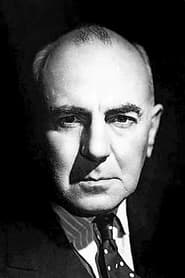
George Zucco
Actor
Born: January 11, 1886 in Manchester, England Died: May 27, 1960 Active: 1931-1951
Films
3 films

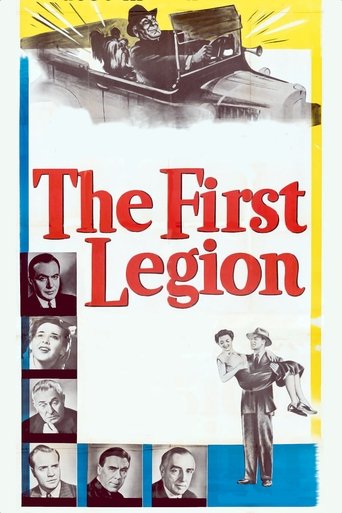
About George Zucco
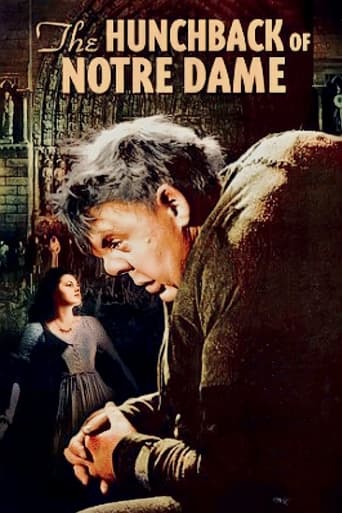
George Zucco was born in England and began his acting career on the stage before transitioning to films. He established himself as a reliable character actor in British cinema before moving to Hollywood in the late 1930s. Zucco became typecast as a villain, particularly in horror films where his menacing demeanor and distinctive features made him a memorable antagonist. George appears in over 100 films throughout his career, working with major studios and alongside many of Hollywood's biggest stars. His most notable roles included performances in 'The Hunchback of Notre Dame' (1939), 'Topper Returns' (1941), and various Universal horror productions. Despite being typecast, Zucco brought depth and intelligence to his villainous roles, elevating what could have been one-dimensional characters. His career began to decline in the late 1940s due to health issues, and he made his final film appearance in 1951 before retiring from acting.
The Craft
On Screen
Zucco was known for his sophisticated, menacing presence and ability to convey villainy through subtle facial expressions and a distinctive voice. He brought an air of intelligence and refinement to his villainous roles, making his characters more menacing than typical movie antagonists. His British stage training gave him a commanding presence and precise diction that added to his authority on screen. Unlike many horror villains who relied on grotesque makeup or over-the-top performances, Zucco's evil was conveyed through his cold, calculating demeanor and piercing eyes.
Milestones
- Transition from stage actor to film star in both Britain and Hollywood
- Becoming a go-to villain in Universal's horror films of the 1940s
- Playing memorable roles in 'The Hunchback of Notre Dame' (1939)
- Starring in the 'Mummy' sequels for Universal
- Working with major directors and stars of the Golden Age
Best Known For
Iconic Roles
Must-See Films
Working Relationships
Worked Often With
Studios
Why They Matter
Impact on Culture
George Zucco contributed significantly to the golden age of Hollywood horror cinema, helping establish the archetype of the sophisticated, intellectual villain. His performances in Universal's horror films of the 1940s helped maintain the studio's dominance in the genre during the post-Bela Lugosi and Boris Karloff era. Zucco's ability to bring nuance to villainous roles influenced subsequent character actors who specialized in antagonistic parts. His portrayal of Professor Moriarty opposite Basil Rathbone's Sherlock Holmes set a standard for how the character would be depicted in later adaptations. Though often overlooked by film historians in favor of leading men, Zucco's work exemplifies how character actors were essential to the success of classic Hollywood films.
Lasting Legacy
George Zucco's legacy lies in his memorable portrayals of villains and antagonists that elevated numerous B-movies and horror productions. His name has become synonymous with classic Hollywood villainy, particularly among fans of 1940s horror films. Film historians and classic movie enthusiasts recognize Zucco as. His work continues to be studied by those interested in the craft of character acting and the evolution of horror cinema archetypes. While never achieving the fame of horror icons like Lugosi or Karloff, Zucco carved out a respected niche that has endured among cinema aficionados.
Who They Inspired
Zucco influenced subsequent generations of character actors who specialized in villainous roles, demonstrating how intelligence and subtlety could make antagonists more compelling than overt theatrics. His approach to playing Moriarty influenced later portrayals of Sherlock Holmes's nemesis in film and television. Actors who followed in his footsteps in horror films, particularly those playing mad scientists or scheming villains, owe a debt to Zucco's template of the sophisticated antagonist. His ability to convey menace through minimalistic performance techniques rather than relying solely on makeup or exaggerated gestures provided a model for more nuanced villain performances in cinema.
Off Screen
George Zucco was married to Stella Francis, an actress he met during his stage career. They remained married until his death in 1960. The couple had one daughter, Frances Zucco, who did not enter the entertainment industry. Zucco was known as a private individual who kept his personal life separate from his public persona. Despite playing villains on screen, colleagues described him as a gentleman off-screen who was well-liked by his co-workers. He struggled with health issues in his later years, including heart problems that contributed to his declining film career and eventual retirement.
Education
Received extensive theatrical training in England before beginning his professional career. Originally trained as a law student before deciding to pursue acting.
Family
- Stella Francis (married until his death in 1960)
Did You Know?
- Despite being typecast as villains, Zucco was reportedly a kind and gentle man in real life
- He originally trained as a lawyer before deciding to pursue acting
- Zucco served in the British Army during World War I
- He appeared in over 100 films during his 20-year film career
- His distinctive appearance included a prominent widow's peak that became his trademark
- Zucco often played characters who were doctors, professors, or other authority figures
- He worked with both Bela Lugosi and Boris Karloff during his time at Universal
- His final years were spent in a California nursing home due to declining health
- Zucco was one of the few actors to play both Professor Moriarty and Dr. Watson (in different productions)
- He was a distant cousin of actor Peter Cushing
In Their Own Words
I suppose I should be grateful that the public remembers me at all, even if it's only as the man they love to hate.
Frequently Asked Questions
Who was George Zucco?
British character with credits in this catalog. He was particularly known for his roles in horror films and for playing Professor Moriarty opposite Basil Rathbone's Sherlock Holmes.
What films is George Zucco best known for?
Titles linked here include The Hunchback of Notre Dame (1939), Topper Returns (1941).
When was George Zucco born and when did he die?
Born January 11, 1886; died May 27, 1960.
What awards did George Zucco win?
George Zucco did not receive any major awards during his career, which was unfortunately common for character actors of his era, even those who made significant contributions to classic cinema.
What was George Zucco's acting style?
George Zucco's acting style was characterized by a sophisticated, menacing presence that relied on subtle facial expressions, precise diction, and an air of intelligence rather than overt theatrics. He brought refinement and depth to his villainous roles, making his characters more memorable and menacing than typical movie antagonists.