
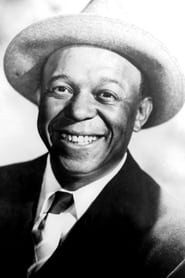
Eddie 'Rochester' Anderson
Actor
Born: September 18, 1905 in Oakland, California, USA Died: February 28, 1977 Active: 1932-1970s Birth Name: Edgar John Anderson Jr.
Films
1 film
About Eddie 'Rochester' Anderson
African American comedian and actor who broke significant racial barriers in American entertainment. Born Edgar John Anderson Jr. In Oakland, California, he began his career as a dancer and singer in vaudeville before transitioning to radio and film. His breakthrough came in 1937 when he was cast as Rochester Van Jones, the wisecracking valet to Jack Benny's character on 'The Jack Benny Program,' a role that would make him a household name and the first African American to have a regular role on a national radio show. Throughout the 1930s and 1940s, Anderson appeared in numerous films, often typecast in servant roles but bringing dignity and humor to his characters. He successfully transitioned to television when 'The Jack Benny Program' moved to the small screen, continuing his role as Rochester until the show ended in 1965. Despite the limitations of racial stereotyping in his era, Anderson used his platform to advocate for better representation and treatment of African Americans in the entertainment industry. His over three decades, during which he became recognizable and beloved Black performers in America.
The Craft
On Screen
Anderson was known for his distinctive gravelly voice, impeccable comedic timing, and ability to deliver witty comebacks with perfect rhythm. His style blended vaudeville showmanship with naturalistic delivery, often using double entendres and clever wordplay. Despite playing servant roles, he brought dignity and intelligence to his characters, subverting stereotypes through his performance. His signature laugh and catchphrases became iconic, and he had a unique ability to play both straight man and comedian within the same scene.
Milestones
- Cast as Rochester Van Jones on 'The Jack Benny Program' radio show (1937)
- First African American to have a regular role on a national radio program
- Starred in 'Topper Returns' (1941) and other films in the Topper series
- Transitioned successfully to television with 'The Jack Benny Program' (1950-1965)
- Became one of the highest-paid African American actors of his era
- Appeared in over 60 films throughout his career
- Received a star on the Hollywood Walk of Fame (1960)
Best Known For
Iconic Roles
Must-See Films
Accolades
Won
- Hollywood Walk of Fame Star (1960)
- Pioneer Award from the Black Filmmakers Hall of Fame (posthumous)
Nominated
- NAACP Image Award for Outstanding Actor in a Comedy Series (multiple nominations)
Special Recognition
- Star on Hollywood Walk of Fame (Radio category, 1960)
- Inducted into the Radio Hall of Fame
- Featured in the Smithsonian's National Museum of African American History and Culture
- Honored by the Pacific Pioneers Broadcasting Society
Working Relationships
Worked Often With
Studios
Why They Matter
Impact on Culture
Trailblazer who fundamentally changed the landscape of American entertainment for African Americans. As the first Black performer to have a regular, featured role on a national radio show, he broke through significant racial barriers at a time when segregation was still widespread. His character Rochester, while technically a servant, was portrayed as intelligent, witty, and often the smartest person in the room, challenging the demeaning stereotypes prevalent in media of the era. Anderson's success paved the way for future generations of African American performers in radio, television, and film. He used his fame and influence to advocate for better treatment and representation of Black actors in Hollywood, often negotiating for better pay and refusing roles he found degrading. His popularity transcended racial lines, making him one of the first African American entertainers to achieve mainstream success with both Black and white audiences.
Lasting Legacy
Anderson's legacy extends far beyond his entertainment career; he was a civil rights pioneer who used his platform to advance racial equality in America. His portrayal of Rochester Van Jones created a template for African American characters that combined humor with dignity, influencing generations of performers. The character became so iconic that 'Rochester' entered the American lexicon as shorthand for a witty, intelligent Black man. Anderson's work helped normalize African American presence in American homes through radio and television, contributing to the gradual acceptance of integration in society. His success demonstrated that African American performers could achieve commercial success while maintaining their dignity, setting an important precedent for the entertainment industry. Today, he is remembered not just as a talented comedian, but as a groundbreaking figure who helped transform American media and society.
Who They Inspired
Anderson's influence can be seen in the careers of countless African American comedians and actors who followed him. His ability to use humor as a tool for social commentary and his skill at subverting stereotypes from within influenced performers like Redd Foxx, Richard Pryor, and Bill Cosby. His success on radio opened doors for other African American performers in broadcasting, including those who would later create their own shows. The dignity and intelligence he brought to his roles, even when playing servants, helped change audience perceptions and expectations of Black characters in media. His business acumen and willingness to fight for fair compensation set an example for future generations of performers. Modern comedians continue to cite his timing, delivery, and ability to connect with diverse audiences as inspiration for their own work.
Off Screen
Anderson married Mamie Nelson in 1939, and they remained together until his death in 1977. The couple had three children: Eddie Jr., Gloria, and Stephanie. Despite his success, Anderson faced significant racism in Hollywood and often had to fight for equal pay and better roles. He was known for his generosity and often helped other African American actors find work in the industry. He suffered from diabetes in his later years and died of a heart attack at his home in Los Angeles at the age of 71.
Education
Attended Oakland Technical High School but left to pursue entertainment career
Family
- Mamie Nelson (1939-1977)
Did You Know?
- His nickname 'Rochester' came from his character name on The Jack Benny Program and eventually stuck as his public identity
- He was the first African American to host a national television show when he filled in for Jack Benny
- Despite playing a valet on TV, in real life he employed a white chauffeur, which was highly unusual for the time
- He earned $2,000 per week on The Jack Benny Program, making him one of the highest-paid Black actors in Hollywood
- He was an accomplished golfer and often played with celebrities at exclusive clubs that normally barred Black members
- His distinctive laugh was so popular that it was often used as a sound effect on other radio shows
- He served in the U.S. Army during World War II, entertaining troops despite his celebrity status
- He was a founding member of the Negro Actors Guild of America
- His character Rochester was so popular that it spawned a comic book series
- He was friends with baseball legend Jackie Robinson and often appeared at civil rights events with him
In Their Own Words
"Oh, Boss!" - His signature greeting to Jack Benny
"I'm a 'fraidy cat, but I'm a brave 'fraidy cat!" - From The Jack Benny Program
"Come on, Boss, don't be cheap!" - Classic Rochester line
"Even a bad day fishing beats a good day working" - Said on various shows
"You know, Boss, I've been thinking." - Often preceded his clever observations
Frequently Asked Questions
Who was Eddie 'Rochester' Anderson?
African American comedian and with credits in this catalog.' He was the first Black performer to have a regular role on a national radio show and became.
What films is Eddie Anderson best known for?
Titles linked here include Topper Returns (1941), The Man on the Flying Trapeze (1935).
When was Eddie Anderson born and when did he die?
Born September 18, 1905; died February 28, 1977.
What awards did Eddie Anderson win?
While Anderson didn't receive major industry awards like Oscars during his lifetime, he received a star on the Hollywood Walk of Fame in 1960 and was posthumously honored with the Pioneer Award from the Black Filmmakers Hall of Fame. He was also inducted into the Radio Hall of Fame for his groundbreaking work on radio.
What was Eddie Anderson's acting style?
Anderson was known for his distinctive gravelly voice, impeccable comedic timing, and ability to deliver witty comebacks with perfect rhythm. His style blended vaudeville showmanship with naturalistic delivery, often using double entendres and clever wordplay. Despite playing servant roles, he brought dignity and intelligence to his characters, subverting stereotypes through his performance.