
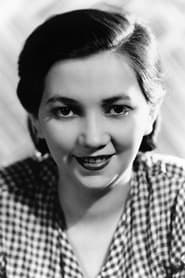
Patsy Kelly
Actor
Born: January 12, 1910 in Brooklyn, New York, USA Died: September 24, 1981 Active: 1930-1983 Birth Name: Sarah Veronica Rose Kelly
Films
2 films

About Patsy Kelly
Patsy Kelly began her career as a vaudeville performer before being discovered by Hal Roach in 1930, launching her film career. She formed a successful comedy partnership with Thelma Todd in a series of popular short films for Hal Roach Studios, establishing herself as one of Hollywood's most reliable comic actresses. Throughout the 1930s, Kelly appeared in numerous feature films, often playing wisecracking sidekicks and comic relief roles with her distinctive fast-talking style. Her career faced challenges in the 1940s partly due to her open lesbianism, which was controversial in Hollywood at the time, leading to fewer opportunities. After working primarily in television and taking other jobs in the 1950s and 1960s, Kelly made a remarkable comeback in her 60s with acclaimed roles in 'Rosemary's Baby' (1968) and 'The North Avenue Irregulars' (1979). Her final film appearance was in 'The Sting II' (1983), released posthumously after her death in 1981.
The Craft
On Screen
Patsy Kelly was known for her fast-talking, wisecracking comic persona with a distinctive nasal voice and Brooklyn accent. She specialized in playing brash, street-smart characters who weren't afraid to speak their minds, often stealing scenes with her quick comebacks and physical comedy. Her comedic timing was sharp and precise, allowing her to match male comedians line for line, which was rare for actresses of her era. Kelly brought an authentic, working-class energy to her roles that audiences found relatable and hilarious.
Milestones
- Discovered by Hal Roach in 1930
- Formed comedy duo with Thelma Todd in 1930s
- Appeared in over 70 films throughout career
- Made comeback in late 1960s and 1970s
- Won Golden Globe for Best Supporting Actress for 'The North Avenue Irregulars' (1979)
- Final film 'The Sting II' released posthumously in 1983
Best Known For
Iconic Roles
Must-See Films
Accolades
Won
- Golden Globe Award for Best Supporting Actress – Motion Picture for 'The North Avenue Irregulars' (1979)
Nominated
- Saturn Award for Best Supporting Actress for 'Rosemary's Baby' (1968)
Special Recognition
- Hollywood Walk of Fame star (located at 6665 Hollywood Blvd)
Working Relationships
Worked Often With
Studios
Why They Matter
Impact on Culture
figure in comedy, breaking barriers for women with her assertive, wisecracking persona that challenged gender stereotypes of her era. She was one of the few actresses who could hold her own against male comedians, often outshining them with her quick wit and timing. Her openness about her lesbianism, while damaging to her career at the time, made her a trailblazer for LGBTQ representation in Hollywood. Kelly's career longevity, spanning from the 1930s through the early 1980s, demonstrated her remarkable adaptability and enduring talent across different eras of filmmaking.
Lasting Legacy
Patsy Kelly's legacy lies in her trailblazing contributions to comedy and LGBTQ representation in Hollywood. She paved the way for future generations of female comedians with her bold, assertive comic style that refused to conform to traditional gender roles. Her successful comeback in the 1970s proved that talent transcends age and that performers could reinvent themselves across different decades. Today, Kelly is remembered not only for her memorable comic performances but also for her courage in living authentically during a time when doing so came at great professional cost.
Who They Inspired
Kelly influenced subsequent generations of female comedians with her fast-talking, wisecracking style that became a template for comic actresses. Her ability to deliver rapid-fire dialogue and physical comedy inspired performers like Lucille Ball and later sitcom actresses. Her openness about her sexuality also paved the way for greater LGBTQ visibility in Hollywood, though this influence would only be fully recognized decades later. Contemporary comedians and actors have cited Kelly as an early example of a woman who refused to be typecast in demure, traditional female roles.
Off Screen
Patsy Kelly was openly lesbian during an era when this was extremely rare in Hollywood. She had a long-term relationship with actress Wilma Cox during the 1930s and never married or had children. Her openness about her sexuality was notable but also contributed to her career decline in the 1940s when studios became more conservative. In the 1950s, when film roles became scarce, she worked as a telephone operator to support herself. Kelly lived in Woodland Hills, California, at the time of her death from cancer at age 71.
Education
Limited information available; began performing in vaudeville as a teenager
Did You Know?
- Discovered by Hal Roach while performing in vaudeville
- Replaced Zasu Pitts in the Thelma Todd comedy shorts
- Career decline in 1940s partly due to refusing to hide her lesbianism
- Worked as telephone operator in 1950s when film roles were scarce
- Made successful comeback in her 60s, winning Golden Globe in 1979
- Known for distinctive nasal voice and Brooklyn accent
- Appeared in over 70 films throughout her career
- Final film 'The Sting II' released posthumously in 1983
- One of few openly lesbian actresses in Golden Age Hollywood
- Nicknamed 'The Girl with the Million Dollar Smile'
In Their Own Words
I'm a comic, and I'm proud of it. Comedy is the hardest work in the world.
I never had any trouble getting laughs. The trouble was getting paid for them.
I was always the smart aleck, the one who said what everyone else was thinking but wouldn't say.
Working with Thelma Todd was the best time of my life. We were like sisters on and off screen.
Frequently Asked Questions
Who was Patsy Kelly?
American actress known for her wisecracking comic roles in films from the 1930s through the early 1980s. She was particularly famous for her partnership with Thelma Todd in Hal Roach comedy shorts and later made a notable comeback in the 1970s with roles in 'Rosemary's Baby' and 'The North Avenue Irregulars.'
What films is Patsy Kelly best known for?
Titles linked here include The Gorilla (1939), Topper Returns (1941).
When was Patsy Kelly born and when did she die?
Born January 12, 1910; died September 24, 1981.
What awards did Patsy Kelly win?
Patsy Kelly won a Golden Globe Award for Best Supporting Actress for her role in 'The North Avenue Irregulars' (1979). She was also nominated for a Saturn Award for Best Supporting Actress for 'Rosemary's Baby' (1968) and has a star on the Hollywood Walk of Fame.
What was Patsy Kelly's acting style?
Kelly was known for her fast-talking, wisecracking comic persona with a distinctive nasal voice and Brooklyn accent. She specialized in playing brash, street-smart characters with sharp comedic timing, often stealing scenes with her quick comebacks and physical comedy.
Was Patsy Kelly married?
No, Patsy Kelly never married. She was openly lesbian and had a long-term relationship with actress Wilma Cox during the 1930s, which was rare and controversial for her time in Hollywood.
What happened to Patsy Kelly's career in the 1940s?
Kelly's career declined in the 1940s partly due to her refusal to hide her lesbianism, which led to her being blacklisted by some studios. She struggled to find film roles and worked other jobs, including as a telephone operator, before making a successful comeback in the late 1960s.
What was Patsy Kelly's final film?
Patsy Kelly's final film was 'The Sting II' (1983), which was released posthumously after her death in 1981.