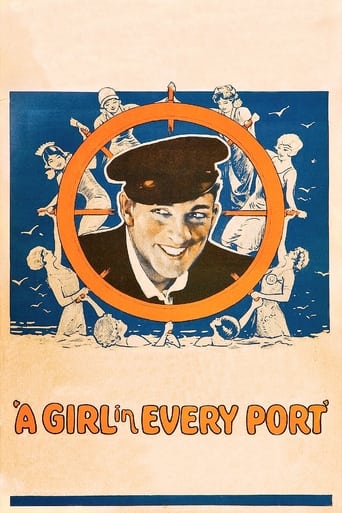
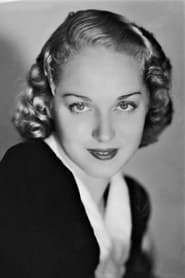
Leila Hyams
Actor
Born: May 1, 1905 in New York City, New York, USA Died: December 4, 1977 Active: 1924-1936
Films
6 films
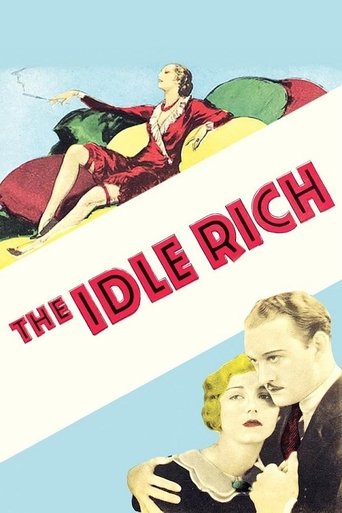
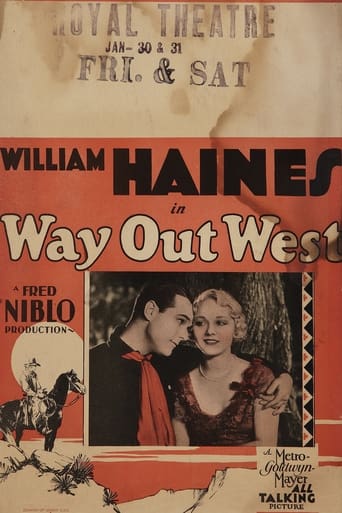
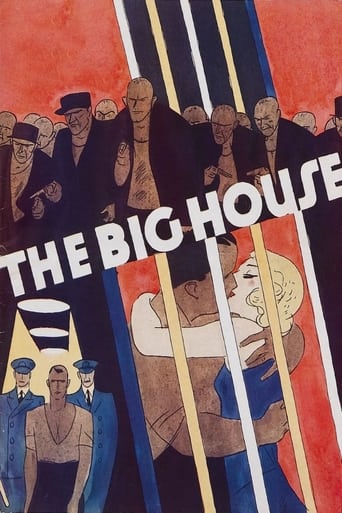
About Leila Hyams
Versatile American actress who successfully transitioned from silent films to the early sound era of Hollywood. Born in New York City in 1905, she began her career as a child model before entering the film industry in the mid-1920s. Hyams quickly established herself as a reliable character actress, working with major studios including MGM, Paramount, and Universal. Her career peaked during the early 1930s when she appeared in several notable films, particularly in the horror and drama genres. She gained lasting fame for her roles in 'Freaks' (1932), 'The Big House' (1930), and 'Island of Lost Souls' (1932). Hyams retired from acting in 1936 after marrying talent agent Phil Berg, choosing to focus on her personal life rather than continue her film career. Her legacy endures through her memorable performances in some of early Hollywood's most distinctive films.
The Craft
On Screen
Leila Hyams was known for her naturalistic acting style that adapted well to the transition from silent films to sound. She possessed a calm, composed screen presence that made her equally effective in both dramatic and horror roles. Her performances were marked by subtlety and emotional restraint, allowing her to convey complex feelings with minimal gestures. Hyams had a particular talent for playing sympathetic characters who served as the audience's emotional anchor in fantastical or disturbing situations. Her clear diction and pleasant speaking voice made her well-suited for early talkies.
Milestones
- Successful transition from silent films to talkies
- Memorable role as Venus in the controversial horror film 'Freaks' (1932)
- Critical acclaim for her performance in 'The Big House' (1930)
- Leading role in 'Island of Lost Souls' (1932)
- Early career as a child model before entering films
Best Known For
Iconic Roles
Must-See Films
Accolades
Special Recognition
- Hollywood Walk of Fame star (for contributions to motion pictures)
Working Relationships
Worked Often With
Studios
Why They Matter
Impact on Culture
Leila Hyams made significant contributions to early horror cinema, particularly through her roles in 'Freaks' and 'Island of Lost Souls.' In 'Freaks,' her portrayal of Venus provided a sympathetic human connection to the film's controversial depiction of circus performers, helping to ground the film emotionally. Her performance in 'Island of Lost Souls' as the moral center opposite Charles Laughton's Dr. Moreau demonstrated the importance of relatable protagonists in horror narratives. Hyams was among the successful actresses who navigated the challenging transition from silent films to talkies, serving as a model for other performers during this technological shift. Her work helped establish conventions for female characters in horror films that would influence the genre for decades.
Lasting Legacy
Leila Hyams' legacy endures primarily through her iconic roles in early horror cinema, which continue to be studied by film scholars and appreciated by classic movie enthusiasts. 'Freaks,' in particular, has gained cult status over the decades, with Hyams' performance being frequently cited as a highlight of the film. Her ability to convey empathy and normalcy in extraordinary circumstances made her an ideal actress for the horror genre's psychological elements. While she retired before reaching the legendary status of some of her contemporaries, her body of work represents some of the most interesting and daring films of early Hollywood. Today, she is remembered as a talented actress who brought depth and humanity to unconventional roles during a transformative period in cinema history.
Who They Inspired
Leila Hyams influenced subsequent generations of horror actresses through her naturalistic approach to playing the 'normal' character in fantastical situations. Her work demonstrated that horror films could benefit from grounded, relatable performances rather than melodramatic portrayals. The template she established for the sympathetic female lead in horror films can be seen in the work of later actresses in the genre. Additionally, her successful transition from silent to sound films provided a model for other actors facing similar technological challenges in the late 1920s and early 1930s.
Off Screen
Leila Hyams married talent agent Phil Berg in 1936, the same year she retired from acting. Their marriage lasted until her death in 1977, spanning over four decades. The couple had no children. Hyams was known for her private nature and rarely gave interviews after retiring from the film industry. She spent her later years away from the Hollywood spotlight, living a quiet life with her husband in Bel Air, California. Her decision to retire at the height of her career was unusual for the time, but she prioritized her marriage over continued fame.
Education
Limited formal education; began working as a child model in her early teens
Family
- Phil Berg (1936-1977)
Did You Know?
- Began her career as a child model, appearing in magazine advertisements
- Her father was a vaudeville performer named Edgar Hyams
- Was one of the few actresses to successfully make the transition from silent films to talkies without major career disruption
- Her role in 'Freaks' (1932) was initially offered to another actress who declined due to the film's controversial subject matter
- Retired from acting at age 31, at the height of her career
- Her husband Phil Berg was one of Hollywood's most powerful talent agents
- Despite her success, she never received top billing in any of her films
- Her performance in 'The Big House' (1930) was praised by critics for its naturalism
- Appeared in over 50 films during her 12-year career
- Was considered for the role of Melanie in 'Gone with the Wind' before retiring
In Their Own Words
I'd rather be a good wife than a famous actress
Acting is wonderful, but there comes a time when you want something more permanent
The camera doesn't lie, but it can be kind if you let it
Frequently Asked Questions
Who was Leila Hyams?
American actress active during the late 1920s and early 1930s, known for her roles in horror films like 'Freaks' and 'Island of Lost Souls.' She successfully transitioned from silent films to talkies before retiring at the height of her career in 1936.
What films is Leila Hyams best known for?
Titles linked here include Freaks (1932), The Big House (1930).
When was Leila Hyams born and when did she die?
Born May 1, 1905; died December 4, 1977.
What awards did Leila Hyams win?
While Leila Hyams did not receive major film awards during her career, she was honored with a star on the Hollywood Walk of Fame for her contributions to motion pictures.
What was Leila Hyams' acting style?
Leila Hyams was known for her naturalistic and restrained acting style, which adapted well to sound films. She excelled at playing sympathetic characters who served as emotional anchors in fantastical or disturbing situations, particularly in horror films.
Why did Leila Hyams retire so early?
Leila Hyams retired from acting in 1936 at age 31 after marrying talent agent Phil Berg. She chose to prioritize her marriage and personal life over her film career, despite being at the height of her success.
How did Leila Hyams impact horror cinema?
Leila Hyams helped establish the template for the sympathetic female protagonist in horror films through her roles in 'Freaks' and 'Island of Lost Souls.' Her naturalistic performances brought humanity and relatability to the genre, influencing subsequent horror actresses.