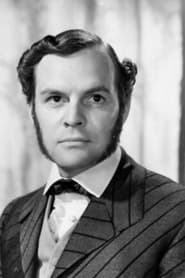
Carroll Nye
Actor
Born: October 23, 1900 in Akron, Ohio, United States Died: March 17, 1974 Active: 1929-1930 Birth Name: Carroll S. Nye
Films
3 films
About Carroll Nye
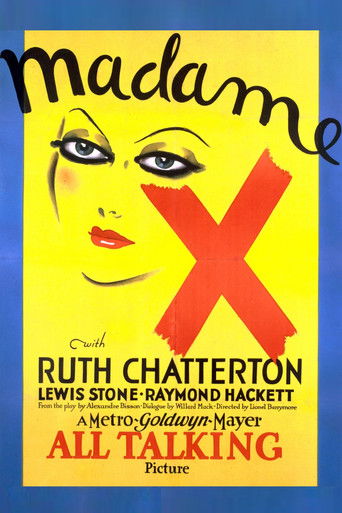
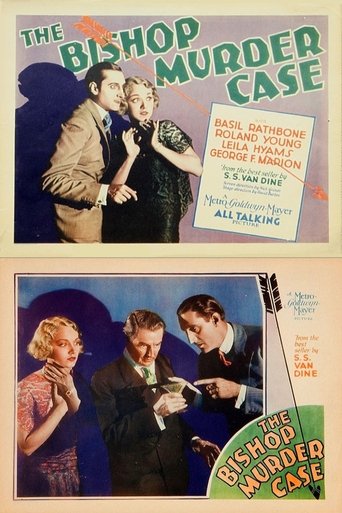
American actor who briefly appeared in Hollywood films during the transitional period from silent cinema to sound pictures in the late 1920s. His career, though brief, coincided with revolutionary periods in film history when the industry was adapting to talking pictures. Nye appeared in several notable films in 1929, including the drama 'Madame X' starring Ruth Chatterton and the mystery 'The Bishop Murder Case' featuring Basil Rathbone. Like many actors of this era, his career was impacted by the massive changes occurring in Hollywood as studios scrambled to adapt to the new technology. His filmography represents a snapshot of early sound cinema, capturing the experimental nature of filmmaking during this transition. Despite his limited screen time in historical records, Nye was part of the generation that helped bridge the gap between silent and sound eras. His work, while not extensively documented, contributes to our understanding of the challenges and opportunities faced by actors during this pivotal moment in cinema history.
The Craft
On Screen
Adapted from silent film techniques to early sound performance methods, likely employing the theatrical style common in early talkies before more naturalistic acting styles became prevalent
Milestones
- Appeared in 'Madame X' (1929) during the early sound era
- Featured in 'The Bishop Murder Case' (1929)
- Participated in Hollywood's transition from silent to sound films
- Worked during one of cinema's most transformative periods
Best Known For
Iconic Roles
Must-See Films
Working Relationships
Studios
Why They Matter
Impact on Culture
Carroll Nye represents the countless actors who participated in Hollywood's crucial transition from silent to sound films in the late 1920s. While not a major star, his work in films like 'Madame X' and 'The Bishop Murder Case' contributed to the development of early sound cinema techniques. These early talkies were experimental in nature, with actors and technicians learning how to work with sound recording technology for the first time. Nye and his contemporaries helped establish the foundation for modern film acting, adapting their performance styles to accommodate microphones and dialogue delivery. Their work during this period paved the way for the more sophisticated sound films of the 1930s and beyond.
Lasting Legacy
Carroll Nye's legacy lies in his role as a participant in one of cinema's most significant technological and artistic revolutions. Though his filmography is brief, it serves as a valuable historical record of the early sound era. His appearances in notable films of 1929 document the challenges and innovations of early talkie production. Like many actors of his generation, Nye represents the transitional figures who helped bridge two distinct eras of filmmaking. His contribution, while not widely recognized, is part of the collective effort that transformed cinema from a primarily visual medium to one that incorporated sound and dialogue, fundamentally changing the art form forever.
Who They Inspired
As a supporting actor during the early sound era, Carroll Nye's direct influence on subsequent generations of performers is difficult to trace. However, he and his contemporaries indirectly influenced future actors by helping establish the techniques and conventions of sound film acting. Their work during this experimental period demonstrated what worked and what didn't in terms of performance style for the new medium, lessons that would benefit actors who followed. The challenges they faced with early recording technology and the need to adapt their acting methods informed the development of more naturalistic performance styles that would become standard in later decades.
Off Screen
Carroll Nye was born in Ohio in 1900 and lived through the dramatic transformation of Hollywood from silent films to talkies. His acting career was brief but occurred during a crucial period in film history. After his short stint in acting, he appears to have left the entertainment industry. He lived until 1974, witnessing the evolution of cinema from its early sound days through the Golden Age of Hollywood and into the modern era. Details about his personal life, family, and post-acting career remain limited in historical records.
Did You Know?
- Born at the very beginning of the 20th century (1900), making him part of the first generation of actors to work in sound films
- His entire known filmography comes from the pivotal year of 1929, when sound films were revolutionizing Hollywood
- Appeared in 'The Bishop Murder Case' which featured Basil Rathbone, who would later become famous as Sherlock Holmes
- Worked during the same period as major silent film stars were struggling to adapt to talkies
- Participated in early Paramount Pictures sound productions
- His active years covered the exact moment when Hollywood was transitioning from silent to sound cinema
- Like many actors of his era, he likely had to adapt his acting style from the exaggerated gestures of silent films to the more subtle requirements of sound performance
Frequently Asked Questions
Who was Carroll Nye?
Screen credits include films during the late 1920s, specifically working in early sound pictures during Hollywood's transition from silent to talkie films. He appeared in notable films like 'Madame X' and 'The Bishop Murder Case' in 1929.
What films is Carroll Nye best known for?
Titles linked here include Madame X (1929), The Bishop Murder Case (1929).
When was Carroll Nye born and when did he die?
Born October 23, 1900; died March 17, 1974.
What awards did Carroll Nye win?
There are no records of Carroll Nye receiving major film awards or nominations during his brief acting career in the late 1920s. His work was primarily in supporting roles during the early sound era.
What was Carroll Nye's acting style?
Carroll Nye's acting style would have been representative of the transitional period from silent to sound films, likely adapting from the theatrical, exaggerated style of silent movies to the more nuanced approach required for early talkies.
Why was Carroll Nye's career so brief?
Carroll Nye's career was brief like many actors of the early sound era, as Hollywood underwent massive changes during the transition to talkies. Some actors struggled to adapt their careers during this revolutionary period in cinema history.