Zelda Sears
Actor
Born: January 21, 1873 in Joliet, Illinois, USA Died: July 19, 1935 Active: 1915-1935
Films
2 films
About Zelda Sears
Zelda Sears was born on January 21, 1873, in Joliet, Illinois, and began her career as a stage actress before transitioning to silent films in the 1910s. She demonstrated remarkable versatility as both a performer and writer, crafting numerous screenplays throughout the 1920s and early 1930s. Her the critical transition from silent films to talkies, showcasing her adaptability in the rapidly changing film industry. Sears worked with major studios including MGM and Paramount, establishing herself as a respected character actress and reliable screenwriter. She continued acting in films throughout the 1920s and early 1930s, often playing sophisticated society women or maternal figures. Zelda Sears passed away on July 19, 1935, in Los Angeles, California, leaving behind a legacy as one of Hollywood's early female multi-hyphenates who successfully navigated both creative and business aspects of filmmaking.
The Craft
On Screen
Sears embodied the theatrical acting style of her era, characterized by expressive gestures and clear articulation that translated well from stage to screen. Her performances often featured sophisticated, society women with sharp wit and maternal warmth. As a character actress, she brought depth and reliability to supporting roles, making her a valuable presence in ensemble casts.
Milestones
- Transition from stage to silent film career in the 1910s
- Successful screenwriting career throughout the 1920s
- Adaptation to talkies during the transition period
- Work with major studios MGM and Paramount
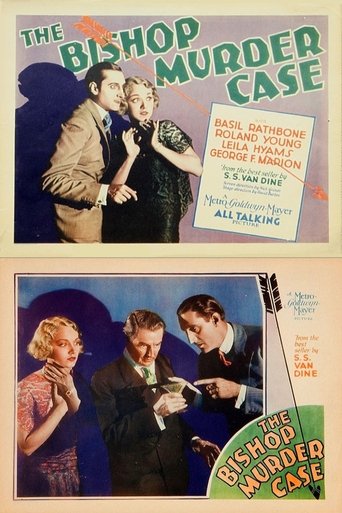
- Notable role in The Bishop Murder Case (1929)
Best Known For
Iconic Roles
Must-See Films
Accolades
Special Recognition
- Recognized as one of Hollywood's female screenwriters
- Respected character actress during the transition to sound
Working Relationships
Worked Often With
Studios
Why They Matter
Impact on Culture
Zelda Sears represented the transition from theatrical performance to cinematic storytelling, embodying the evolution of acting styles during the silent era and early sound period. As one of the early women to successfully work both in front of and behind the camera, she helped pave the way for future generations of female filmmakers in Hollywood. Her ability to adapt from stage to film, and from silent pictures to talkies, demonstrated the versatility required during this transformative period in cinema history.
Lasting Legacy
Sears left behind a legacy as a female multi-hyphenate in early Hollywood, successfully navigating both creative and business aspects of filmmaking during a time when few women held such positions. Her work as both actress and screenwriter during the critical transition period of the late 1920s and early 1930s makes her an important figure in film history. She represents the often-overlooked contributions of women to early Hollywood's development and the establishment of the studio system.
Who They Inspired
Sears influenced future generations of women in film by demonstrating that female artists could successfully work in multiple capacities within the film industry. Her career path from stage actress to film actress to screenwriter provided a model for women seeking to expand their creative roles in Hollywood. Her work during the transition to sound cinema showed how performers and writers could adapt to technological changes in the medium.
Off Screen
Zelda Sears was married to Harry A. Pollard, an actor and director, which provided her with deeper connections in the Hollywood film community. She was known as a professional who successfully navigated the male-dominated film industry of her era, maintaining a respected reputation throughout her career. Her personal life remained relatively private, with her professional accomplishments being her most visible legacy.
Education
Stage training and experience in theater prior to film career
Family
Did You Know?
- Born in Joliet, Illinois, the same city as other notable film figures
- Successfully transitioned from stage to silent films, then to talkies
- Worked as both actress and screenwriter, rare for women of her era
- Married to director Harry A. Pollard
- Appeared in The Bishop Murder Case (1929), an early talkie mystery film
- Wrote numerous screenplays throughout the 1920s
- Active years covered exactly 20 years from 1915 to 1935
- Died in Los Angeles at age 62
- Represented the sophisticated society woman type in many of her roles
- Part of the generation that helped establish Hollywood's studio system
Frequently Asked Questions
Who was Zelda Sears?
American actress and screenwriter who worked during the silent era and early sound period of Hollywood. She was known for her versatility in both performing and writing, and for successfully navigating the transition from silent films to talkies in the late 1920s.
What films is Zelda Sears best known for?
Titles linked here include The Bishop Murder Case (1929), The Red Kimona (1925).
When was Zelda Sears born and when did she die?
Born January 21, 1873; died July 19, 1935.
What awards did Zelda Sears win?
While Zelda Sears did not receive major formal awards during her career, she was recognized as a respected character actress and female screenwriter in early Hollywood, working with major studios like MGM and Paramount.
What was Zelda Sears's acting and writing style?
As an actress, Sears embodied the theatrical style of her era with expressive gestures and clear articulation, often playing sophisticated society women. As a screenwriter, she crafted compelling narratives that resonated with contemporary audiences during the transition from silent to sound films.
How did Zelda Sears contribute to early Hollywood?
Sears contributed to early Hollywood as one of the women who worked both in front of and behind the camera, helping establish the studio system and demonstrating how women could succeed in multiple creative roles during the film industry's formative years.