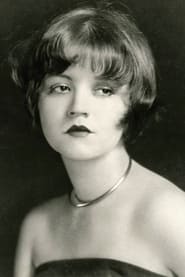
Alice White
Actor
Born: August 24, 1904 in Paterson, New Jersey, USA Died: February 19, 1983 Active: 1927-1949 Birth Name: Alva White
Films
1 film
About Alice White
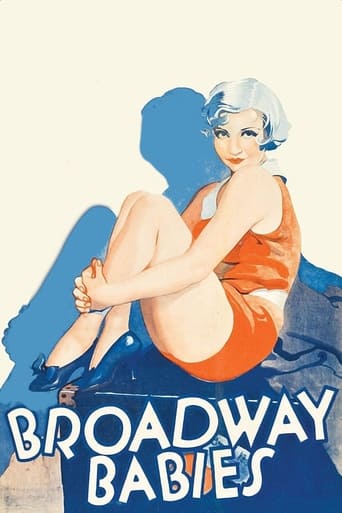
prominent American actress during the transition from silent films to talkies — known for her blonde flapper image and distinctive voice that was well-suited for early sound cinema. She began her entertainment career as a script typist for director Josef von Sternberg, who recognized her potential and helped her secure small film roles. Her breakthrough came in 1927 with 'The Taxi Dancer,' which established her as a leading lady and Warner Bros. Contract player. White became one of the studio's biggest stars during the late 1920s, capitalizing on her perky personality, comedic timing, and modern appeal that resonated with Jazz Age audiences. Her career peaked between 1929-1930 with successful films like 'Broadway Babies,' 'The Man I Love,' and 'Show Girl in Hollywood,' where she often played showgirls, flappers, and modern young women navigating the changing social landscape. However, her popularity declined by the mid-1930s due to changing audience tastes and a widely publicized scandal involving her engagement to a wealthy playboy. After making her final film appearance in 1949, White successfully transitioned to a career as a real estate agent, demonstrating her resilience and adaptability beyond Hollywood.
The Craft
On Screen
Alice White was known for her energetic, vivacious performances that perfectly captured the spirit of the Jazz Age flapper. Her acting style was characterized by quick, witty dialogue delivery, expressive facial features, and a natural comedic timing that translated well to sound films. Unlike many silent film stars who struggled with the transition to talkies, White's distinctive, slightly nasal voice and confident presence made her ideally suited for early sound cinema. She specialized in playing plucky, independent young women who often worked as showgirls, dancers, or shop girls, bringing a sense of authenticity and modernity to these roles. Her performances combined physical comedy with emotional vulnerability, making her characters relatable to contemporary audiences.
Milestones
- Breakthrough role in 'The Taxi Dancer' (1927)
- Signed to Warner Bros. Contract and became major star
- Successful transition from silent films to talkies
- Starring role in 'Broadway Babies' (1929)
- Leading lady in numerous early sound musicals and comedies
Best Known For
Iconic Roles
Must-See Films
Accolades
Special Recognition
- Hollywood Walk of Fame star (Motion Pictures) - 6516 Hollywood Blvd
Working Relationships
Worked Often With
Studios
Why They Matter
Impact on Culture
Alice White played a significant role in defining the archetype of the modern, independent young woman in early sound cinema. Her flapper characters embodied the changing social dynamics of the late 1920s, representing women who were increasingly assertive, career-oriented, and sexually liberated. As one of the few silent film stars who successfully transitioned to talkies, she helped demonstrate the new possibilities of sound cinema, particularly for comedic performances. Her films often explored themes of social mobility, urban life, and women's changing roles in society, making her work culturally relevant beyond mere entertainment. White's popularity helped establish Warner Bros. As a major studio during the early sound era, contributing to the studio's reputation for producing contemporary, urban-themed films.
Lasting Legacy
Alice White's legacy lies in her contribution to early sound cinema and her embodiment of the Jazz Age flapper archetype. While her period of stardom was relatively brief, her successful transition from silent films to talkies marked her as an important figure in Hollywood's technological evolution. Her films serve as valuable cultural artifacts that capture the spirit and social changes of the late 1920s and early 1930s. White's career trajectory also illustrates the precarious nature of stardom during Hollywood's golden age, showing how quickly fortunes could change in the studio system. Today, film historians recognize her as a representative figure of her era, whose work provides insight into the entertainment industry's response to changing social mores and technological innovations.
Who They Inspired
Alice White influenced subsequent generations of actresses by demonstrating how to successfully transition between different film technologies and genres. Her ability to combine comedy, romance, and musical elements in her performances paved the way for later multi-talented actresses. Her portrayal of independent, working-class women helped expand the range of female characters in American cinema, moving beyond traditional domestic roles. While she may not have directly mentored other performers, her career served as a model for actresses seeking to navigate the challenges of Hollywood's studio system and maintain relevance during periods of industry change.
Off Screen
Alice White had a colorful personal life that often attracted media attention. She married three times: first to cinematographer Jack Warner (not to be confused with the studio head), then to director Sidney Lanfield, and finally to writer Jack Roberts. Her engagement to millionaire playboy Count Carlo di Frasso in 1931 ended in a highly publicized scandal when she discovered he was already married, which damaged her reputation and career. Despite these setbacks, White remained resilient and maintained a positive public image. She had no children and spent her later years working as a successful real estate agent in Los Angeles, demonstrating her ability to reinvent herself outside of Hollywood.
Education
Attended public schools in Paterson, New Jersey; no formal acting training
Family
- Jack Warner (1924-1927)
- Sidney Lanfield (1933-1936)
- Jack Roberts (1949-1978)
Did You Know?
- Began her film career as a script typist for director Josef von Sternberg
- Was originally discovered while working as a telephone operator
- Her distinctive voice made her one of the few silent stars to successfully transition to talkies
- The scandal over her broken engagement to Count Carlo di Frasso significantly damaged her career
- Her real name was Alva White, but she changed it to Alice for her film career
- Was known as 'The Blonde Cyclone' in the press due to her energetic performances
- Successfully transitioned to a real estate career after leaving Hollywood
- Her star on the Hollywood Walk of Fame is located at 6516 Hollywood Blvd
- Was one of Warner Bros.' highest-paid actresses in 1929-1930
- Appeared in over 40 films during her 22-year career
In Their Own Words
"I was never a great actress, but I was a good showgirl and audiences liked me."
"The transition to sound wasn't hard for me. I had a loud mouth and wasn't afraid to use it!"
"Hollywood can make you a star overnight and forget you just as quickly. I learned that the hard way."
"Being a flapper wasn't just about clothes and makeup. It was about having the courage to be yourself."
Frequently Asked Questions
Who was Alice White?
Popular American actress during the late 1920s and early 1930s, known for her flapper roles and successful transition from silent films to talkies. She was a Warner Bros. Contract star who appeared in over 40 films, specializing in comedies and musicals that captured the spirit of the Jazz Age.
What films is Alice White best known for?
Titles linked here include The Taxi Dancer (1927), Broadway Babies (1929).
When was Alice White born and when did she die?
Born August 24, 1904; died February 19, 1983.
What awards did Alice White win?
While Alice White did not receive any major film awards during her career, she was honored with a star on the Hollywood Walk of Fame at 6516 Hollywood Blvd for her contributions to motion pictures. Her recognition came primarily from her popularity with audiences rather than critical accolades.
What was Alice White's acting style?
Alice White was known for her energetic, vivacious performances as flappers and modern young women. Her acting style featured quick, witty dialogue delivery, expressive facial features, and natural comedic timing that worked exceptionally well in early sound films. She brought authenticity to her roles as plucky, independent characters navigating the changing social landscape of the Jazz Age.