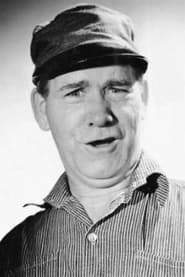
Tom Dugan
Actor
Born: January 1, 1889 in Philadelphia, Pennsylvania, USA Died: May 7, 1955 Active: 1927-1955 Birth Name: Thomas Dugan
Films
3 films
About Tom Dugan
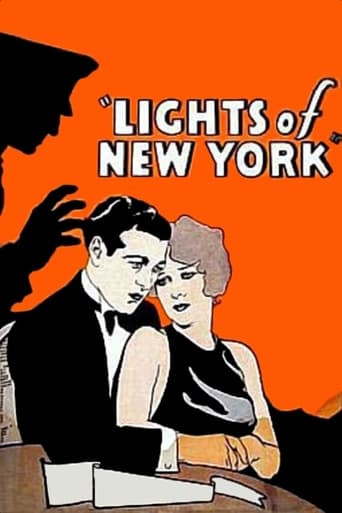
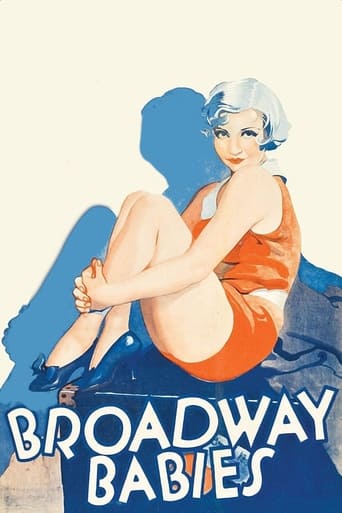
Prolific American character actor: the transition from silent films to the Golden Age of Hollywood. Born in Philadelphia in 1889, he began his entertainment career in vaudeville before making the leap to motion pictures in the late 1920s. Dugan made his mark early by appearing in 'Lights of New York' (1928), historically significant as one of cinema's first all-talking feature films, and 'Broadway Babies' (1929) starring Alice White. Throughout his nearly three-decade career, he became one of Hollywood's most recognizable supporting players, appearing in over 200 films. He specialized in portraying Irish characters, bartenders, police officers, and comic relief roles, becoming a familiar face to audiences of the era. Dugan worked consistently through the 1930s and 1940s, adapting seamlessly to changing cinematic styles and continuing to find steady work even as the studio system evolved. His career came to an end with his death in 1955, leaving behind a substantial body of work that exemplifies the journey of a reliable character actor through Hollywood's formative decades.
The Craft
On Screen
Tom Dugan was known for his naturalistic yet distinctive acting style, particularly excelling at portraying working-class Irish characters with authenticity and humor. His performances were characterized by a slightly gruff exterior that often concealed a warm-hearted nature, making him perfect for roles as bartenders, police officers, and blue-collar workers. Dugan had excellent comic timing and could deliver witty lines with a deadpan expression that endeared him to audiences. His ability to adapt his stage-trained voice to the new demands of sound cinema made him particularly valuable during the transition from silent films to talkies.
Milestones
- Appeared in 'Lights of New York' (1928), one of the first all-talking films
- Transitioned successfully from silent films to talkies
- Appeared in over 200 films during his career
- Became typecast as Irish characters and authority figures
- Worked steadily through the Great Depression and WWII years
- Appeared in major studio productions at Warner Bros., MGM, and Paramount
Best Known For
Iconic Roles
Must-See Films
Accolades
Special Recognition
- Hollywood Walk of Fame star (6363 Hollywood Boulevard)
Working Relationships
Worked Often With
Studios
Why They Matter
Impact on Culture
Tom Dugan's career represents the typical journey of a character actor during Hollywood's formative decades, particularly the challenging transition from silent films to talkies. His appearance in 'Lights of New York' placed him at a pivotal moment in cinema history, as one of the first actors to perform in an all-talking feature film. Dugan helped establish the archetype of the Irish-American character in Hollywood cinema, contributing to the ethnic diversity of on-screen representation during an era when such roles were often stereotyped but essential to the fabric of American storytelling. His consistent presence in hundreds of films made him a familiar face to generations of moviegoers, representing the working-class everyman that audiences could relate to and root for.
Lasting Legacy
Tom Dugan's legacy lies in his contributions to the golden age of Hollywood as one of the industry's most reliable character actors. While never a leading man, his supporting roles added depth, humor, and authenticity to countless classic films. His ability to transition successfully from silent films to talkies demonstrated the adaptability required of actors during this revolutionary period in cinema. Dugan's work ethic and professionalism set an example for future generations of character actors, proving that steady, reliable performances in supporting roles could build a lasting career. His filmography serves as a valuable record of the types of characters and stories that defined American cinema during its formative years.
Who They Inspired
Tom Dugan influenced subsequent generations of character actors by demonstrating how to build a sustainable career through versatility and reliability rather than stardom. His success in portraying Irish characters helped pave the way for more nuanced ethnic representations in later films. Younger actors studying his performances could learn valuable lessons in comic timing, character development within limited screen time, and the importance of supporting roles in ensemble storytelling. His career trajectory from vaudeville to silent films to talkies provided a blueprint for performers navigating technological and artistic changes in the entertainment industry.
Off Screen
Tom Dugan was married to actress and singer Mary T. Dugan, with whom he often performed in vaudeville before their film careers. The couple had no children. Dugan was known among his colleagues as a reliable professional who never missed a call and was always prepared for his roles. He lived in the Hollywood area for most of his film career and was active in various actors' organizations. His death in 1955 from a heart attack came as a shock to many in the industry who had worked with him over the years.
Education
Limited formal education, trained in vaudeville and theater performance
Family
- Mary T. Dugan (1920s-1955)
Did You Know?
- Appeared in over 200 films during his 28-year career
- Was one of the first actors to appear in an all-talking feature film
- Often played characters named 'Murphy' or other Irish surnames
- Began his career in vaudeville with his wife Mary
- His performance in 'Lights of New York' helped demonstrate the commercial viability of talking pictures
- Never received a screen credit in many of his early films
- Was a favorite of director Mervyn LeRoy, who cast him in multiple films
- Survived the transition from silent films to talkies better than many of his contemporaries
- Often worked with the same group of Irish-American actors like Pat O'Brien and Frank McHugh
- His star on the Hollywood Walk of Fame was awarded posthumously
In Their Own Words
In an interview about the transition to talkies: 'The microphone doesn't scare me. I've been talking on stage for years.'
On being typecast: 'If they keep paying me to play Irishmen, I'll keep playing Irishmen. It's a living.'
Regarding his prolific output: 'I never say no to work. You never know when the phone will stop ringing.'
Frequently Asked Questions
Who was Tom Dugan?
Screen credits include over 200 films from 1927 to 1955. He was known for playing Irish characters, bartenders, and police officers, and was one of the first actors to appear in an all-talking feature film with 'Lights of New York' (1928).
What films is Tom Dugan best known for?
Titles linked here include Lights of New York (1928), Broadway Babies (1929).
When was Tom Dugan born and when did he die?
Born January 1, 1889; died May 7, 1955.
What awards did Tom Dugan win?
While Tom Dugan did not receive major acting awards during his lifetime, he was honored with a star on the Hollywood Walk of Fame at 6363 Hollywood Boulevard for his contributions to the film industry.
What was Tom Dugan's acting style?
Tom Dugan was known for his naturalistic portrayals of working-class characters, particularly Irish Americans. His style combined gruff exteriors with underlying warmth, excellent comic timing, and authentic delivery that made him perfect for the transition from silent films to talkies.